Strategic Shifts in Growth Leadership
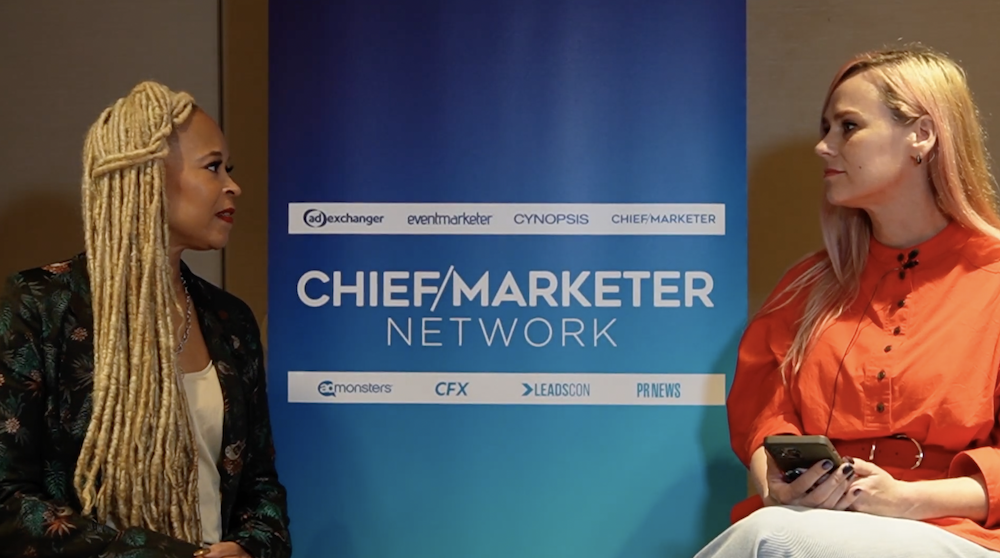
The 2026 POSSIBLE conference served as a platform for Esi Eggleston Bracey to outline the evolving responsibilities of modern marketing executives. Her discussion centered on the integration of growth mandates directly into the marketing function, a structural shift that has gained momentum across large-cap consumer organizations. By merging these two pillars, leadership teams aim to eliminate the friction between brand-building initiatives and direct revenue capture.
This transition reflects a broader trend in the consumer staples sector where traditional advertising metrics are increasingly scrutinized against tangible growth outcomes. For firms like Unilever PLC, which maintains an Alpha Score of 52/100, the ability to pivot toward this integrated model is essential for maintaining market relevance. Bracey emphasized that the role of the chief marketing officer now requires a deeper fluency in financial performance and operational scaling than in previous cycles.
Industry Recognition and Leadership Evolution
Beyond organizational structure, the conversation touched upon the changing criteria for industry excellence. With the American Marketing Association naming Bracey as its upcoming Marketer of the Year, the focus has shifted toward leaders who can navigate complex digital landscapes while maintaining core brand equity. This recognition validates the strategy of prioritizing long-term growth over short-term promotional cycles.
For investors monitoring the stock market analysis landscape, the emphasis on growth-oriented marketing signals a potential shift in how companies allocate capital toward customer acquisition. When marketing departments operate as growth engines rather than cost centers, the predictability of top-line expansion often improves. This alignment is particularly critical for multinational firms facing fragmented consumer demand and rising competition from agile, digitally native brands.
The Path Toward Operational Integration
Moving forward, the primary indicator of success for this leadership model will be the consistency of margin expansion alongside brand investment. The integration of growth and marketing functions is not merely a title change; it requires a fundamental overhaul of how data is shared between sales, product, and brand teams.
Market participants should watch for upcoming quarterly disclosures to see if this structural alignment translates into improved efficiency ratios. The next concrete marker will be the subsequent earnings cycle, where the impact of these integrated growth strategies on organic sales volume will become measurable. Investors will be looking for evidence that this leadership evolution provides a sustainable competitive advantage in a crowded consumer environment.