Stocks● Neutral
Dark Eagle Hypersonic Missile Readiness Amid Iran Tensions
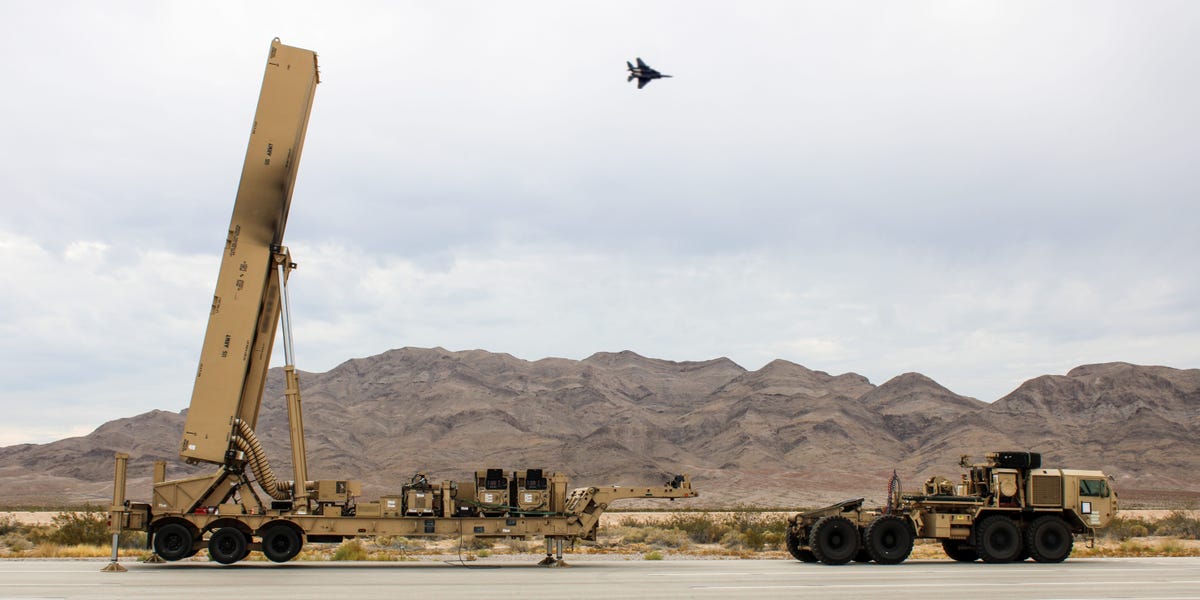
The US Army's Dark Eagle hypersonic missile is gaining attention as a potential deterrent amid Iran tensions. Operational readiness remains the key catalyst.
Continue with
The United States Army is positioning its Dark Eagle hypersonic missile system as a strategic contingency tool. This development follows reports of deployment requests linked to the current geopolitical instability involving Iran. The system represents a shift in military readiness, moving from testing phases toward potential operational utility in high-stakes environments.
Strategic Deployment and Operational Readiness
The Dark Eagle program, known formally as the Long-Range Hypersonic Weapon, is designed to strike targets at distances exceeding 1,700 miles. Its ability to travel at speeds greater than Mach 5 allows it to penetrate advanced air defense networks that traditional cruise missiles might struggle to bypass. The current focus on the system suggests that military planners are prioritizing rapid-response capabilities that can be deployed to theaters where conventional assets face significant anti-access challenges.
If the existing ceasefire with Iran experiences a collapse, the deployment of such high-velocity assets would serve as a primary deterrent. The transition from a developmental asset to a requested deployment unit indicates that the Army views the weapon as mature enough to provide a credible threat in an active conflict zone. This shift places pressure on the supply chain and logistics teams to ensure that the ground-based launchers remain mobile and ready for immediate transport.