Back to Markets
Stocks● Neutral

Energy Markets Stabilize as Strait of Hormuz Reopens to Commercial Traffic

April 17, 2026 at 01:04 PMBy AlphaScalaEditorial standardsSource: cnbc.com
Energy Markets Stabilize as Strait of Hormuz Reopens to Commercial Traffic

The Strait of Hormuz has resumed full commercial operations following a two-week ceasefire between the U.S. and Iran, easing energy supply concerns.

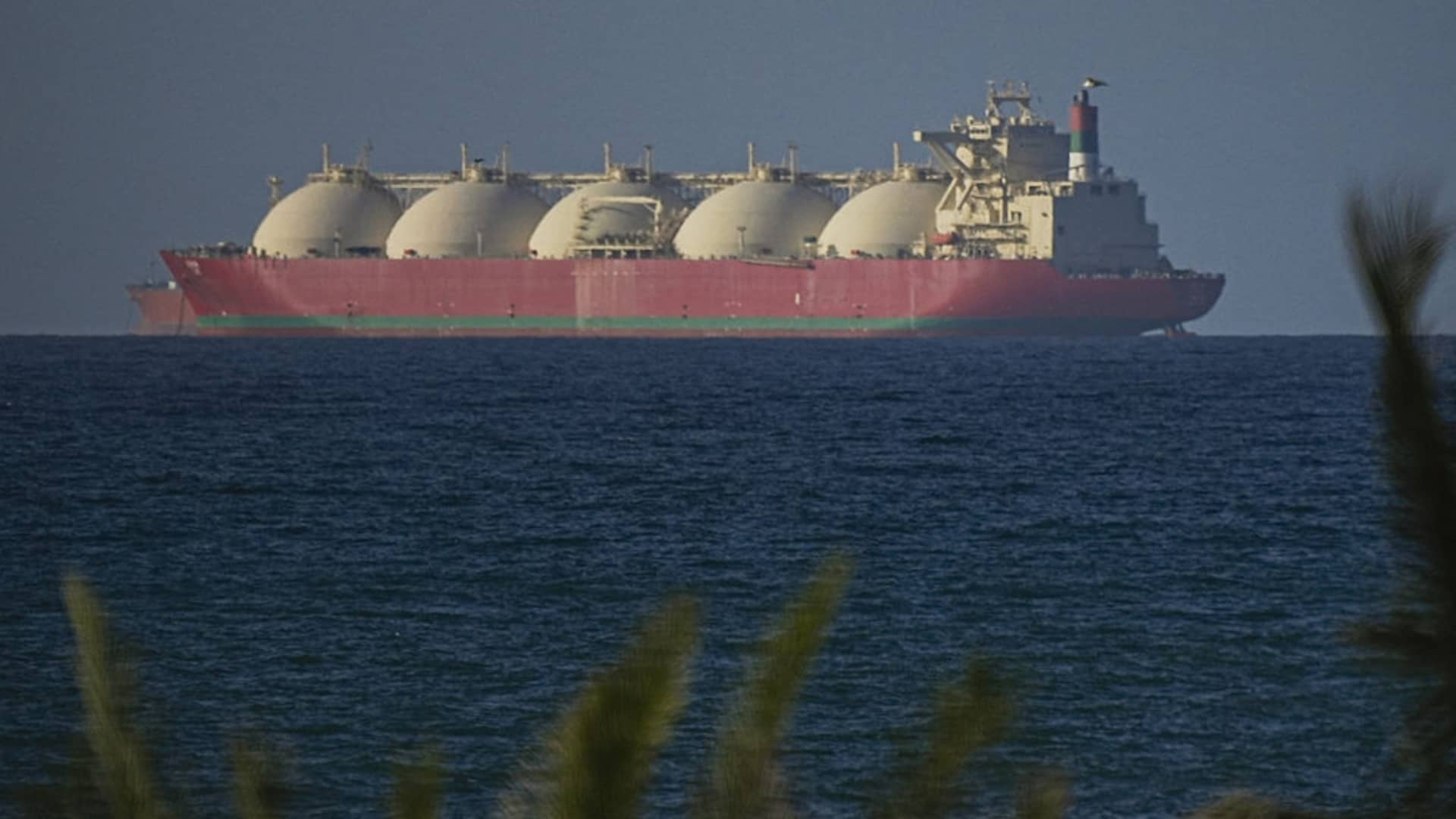
The Strait of Hormuz, a critical global energy chokepoint, has resumed full commercial operations following the implementation of a two-week temporary ceasefire between the United States and Iran. The normalization of maritime traffic through this corridor follows a period of heightened geopolitical tension that previously threatened to disrupt global oil supply chains.

Impact on Energy Logistics

The reopening of the strait provides immediate relief to energy logistics providers and shipping firms that had been rerouting vessels to avoid potential conflict zones. By securing this passage, the ceasefire mitigates the risk of significant supply bottlenecks that often drive volatility in crude oil pricing. The stabilization of these transit routes allows for a more predictable flow of energy commodities from the Persian Gulf to international markets.

Sector Read-through and Valuation

Energy sector participants are now recalibrating their risk premiums as the immediate threat of closure subsides. While the ceasefire is currently defined as a two-week window, the resumption of traffic serves as a primary catalyst for cooling the geopolitical risk component of energy valuations. Investors are monitoring whether the stability in the region will persist beyond the initial term of the agreement, as sustained access remains essential for global stock market analysis and energy sector stability. The return to baseline operational capacity in the strait removes a significant overhang that had pressured shipping and energy-related equities in recent sessions.

How this story was producedLast reviewed Apr 17, 2026

AI-drafted from named sources and checked against AlphaScala publishing rules before release. Direct quotes must match source text, low-information tables are removed, and thinner or higher-risk stories can be held for manual review.

Editorial Policy·Report a correction·Risk Disclaimer