Back to Markets
Stocks● Neutral

Energy Inflation Returns as Gasoline Hits Four-Year Peak

Energy Inflation Returns as Gasoline Hits Four-Year Peak
ASONHASCOST

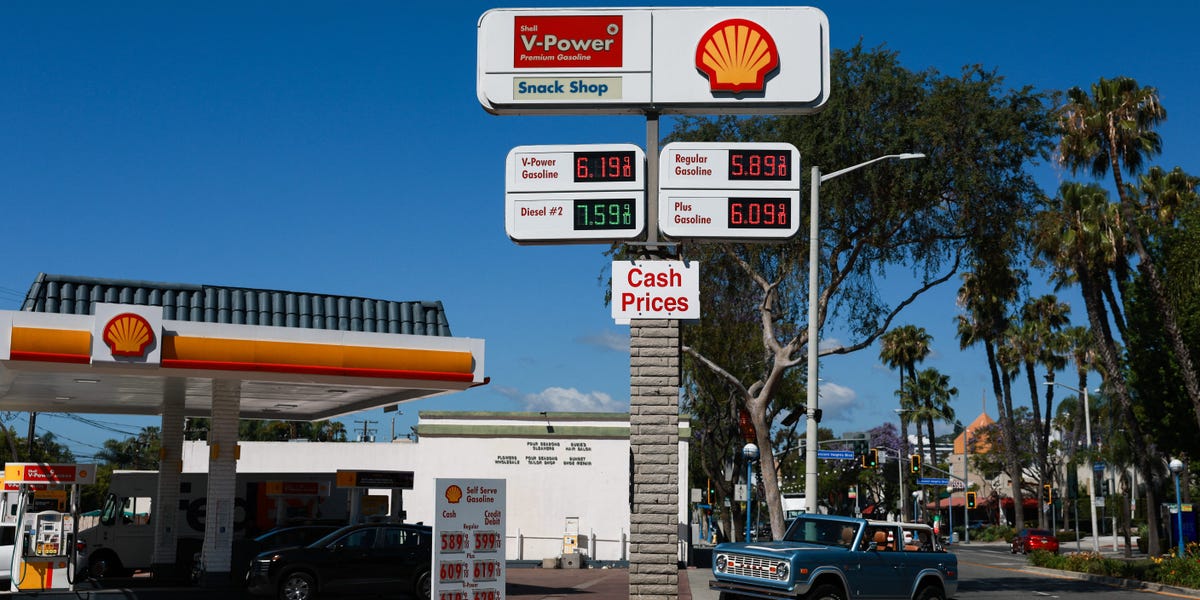
US gasoline prices have hit a four-year high of $4.22 per gallon, driven by Middle East tensions and raising concerns over consumer spending and corporate margins.

AlphaScala Research Snapshot
Live stock context for companies directly referenced in this story
Consumer Cyclical
Alpha Score
47
Weak

Alpha Score of 47 reflects weak overall profile with moderate momentum, poor value, moderate quality. Based on 3 of 4 signals — score is capped at 90 until remaining data ingests.

Alpha Score
46
Weak

Alpha Score of 46 reflects weak overall profile with strong momentum, poor value, poor quality, moderate sentiment.

Consumer Cyclical

HASBRO, INC. currently screens as unscored on AlphaScala's scoring model.

Consumer Staples
Alpha Score
57
Moderate

Alpha Score of 57 reflects moderate overall profile with moderate momentum, moderate value, moderate quality, moderate sentiment.

This panel uses AlphaScala-native stock data, separate from the source wire linked above.

The national average price for regular gasoline in the United States climbed to $4.22 per gallon on Wednesday, marking a four-year high. This shift follows an escalation in geopolitical tensions within the Middle East, which has disrupted global energy supply expectations and forced a rapid repricing in domestic fuel markets. The move represents a significant departure from the price stability observed earlier in the year.

Geopolitical Risk and Supply Chain Sensitivity

The current surge in pump prices is tied directly to the sensitivity of global crude oil markets to regional instability. Because gasoline prices are a derivative of crude costs, any perceived threat to production or transit infrastructure in energy-producing regions creates immediate volatility for domestic retailers. The rapid climb to $4.22 indicates that the market is pricing in a sustained risk premium rather than a temporary supply bottleneck.

This environment places immediate pressure on consumer discretionary spending. When fuel costs rise, the disposable income available for retail and travel sectors typically contracts. Investors often look to stock market analysis to determine how these inflationary pressures filter through to corporate margins in transportation-heavy industries or consumer-facing businesses that rely on consistent foot traffic.

Sector Read-Through and Margin Compression

Rising fuel costs act as a hidden tax on the broader economy. For companies with significant logistics footprints, the increase in fuel prices directly inflates the cost of goods sold. This creates a difficult environment for firms attempting to maintain price parity without sacrificing volume. If these costs remain elevated, the impact will likely manifest in upcoming quarterly guidance updates as companies adjust their operating expense projections to account for higher energy inputs.

AlphaScala data currently reflects a cautious outlook for several sectors exposed to these shifts. For instance, ON stock page shows an Alpha Score of 46/100, while AS stock page sits at 47/100, both labeled as Mixed. These scores reflect the broader uncertainty surrounding how industrial and consumer cyclical firms navigate input cost volatility in the current macro climate.

The Path Toward Price Stabilization

The next concrete marker for this narrative will be the upcoming release of weekly inventory data from the Energy Information Administration. This report will provide the first clear indication of whether domestic supply levels can offset the current geopolitical risk premium. If inventories show a significant draw, the market will likely interpret this as a signal that the $4.22 price point is a floor rather than a peak. Conversely, a build in reserves could provide the necessary cooling effect to stabilize prices before they impact broader consumer sentiment metrics in the coming month. Market participants should monitor the spread between crude oil futures and retail gasoline prices to determine if the current pump-price surge is fully supported by underlying commodity fundamentals.

How this story was producedLast reviewed Apr 29, 2026

AI-drafted from named sources and checked against AlphaScala publishing rules before release. Direct quotes must match source text, low-information tables are removed, and thinner or higher-risk stories can be held for manual review.

Editorial Policy·Report a correction·Risk Disclaimer