Commodities● Neutral
Commercial LPG Costs Surge ₹200 as Operational Inflation Bites
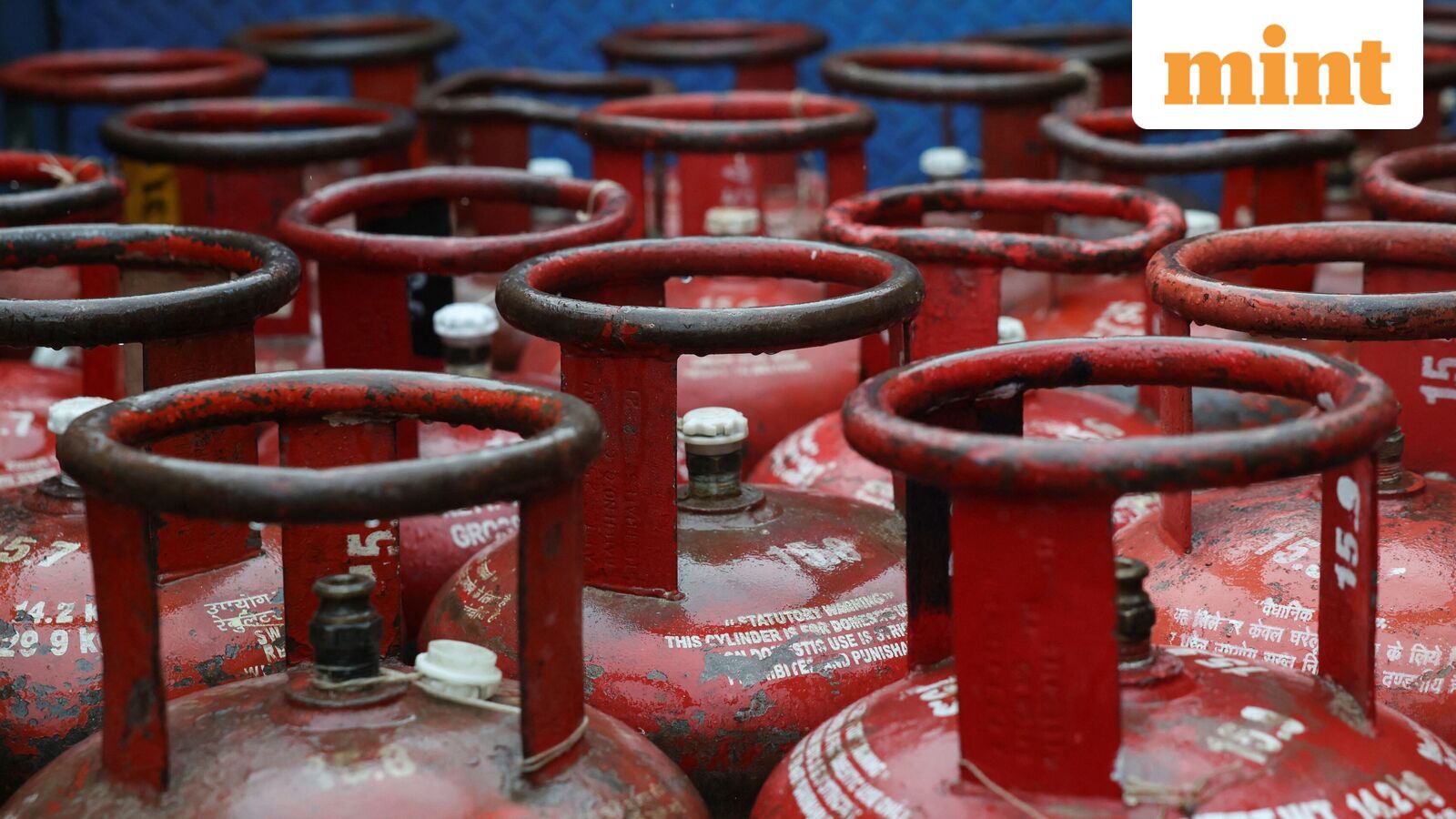
Businesses face margin compression after a ₹200 hike on 19-kg cylinders. Monitor OMCs like BPCL.BO and IOC.BO for signs of further energy-led inflation risks.
Continue with
Escalating Operational Costs for Businesses
Energy-intensive sectors are bracing for further margin compression as commercial Liquefied Petroleum Gas (LPG) prices continue their upward trajectory. Following a series of aggressive price adjustments throughout the spring, the cost of a 19-kg commercial cylinder has reached a critical threshold, adding significant overhead for restaurants, hospitality providers, and small-to-medium enterprises that rely on these fuel sources for daily operations.
The current pricing environment is defined by a rapid succession of hikes. As of April 11, the market reflects the cumulative impact of two major upward revisions: an initial increase of ₹144 per cylinder implemented in March, followed by a more substantial hike of approximately ₹200 on April 1. This rapid escalation underscores the volatility currently plaguing the energy supply chain.
Understanding the Price Divergence
For market observers and business owners, it is essential to distinguish between the pricing structures of domestic and commercial LPG. While domestic cylinders are often subject to government subsidies and administered pricing mechanisms designed to shield households from extreme market volatility, commercial rates are more closely tethered to global energy benchmarks and import parity pricing.
In major metropolitan hubs like Mumbai, Bengaluru, and Delhi, businesses are currently navigating these elevated costs with little room for short-term mitigation. The 19-kg commercial cylinder, which serves as the industry standard for hospitality and industrial kitchens, has seen its price floor shift significantly higher in just 40 days. This shift directly impacts the bottom line of the service sector, forcing many operators to choose between absorbing the costs or passing them on to consumers, which in turn fuels localized inflation metrics.