Strategic Pivot in Energy Access
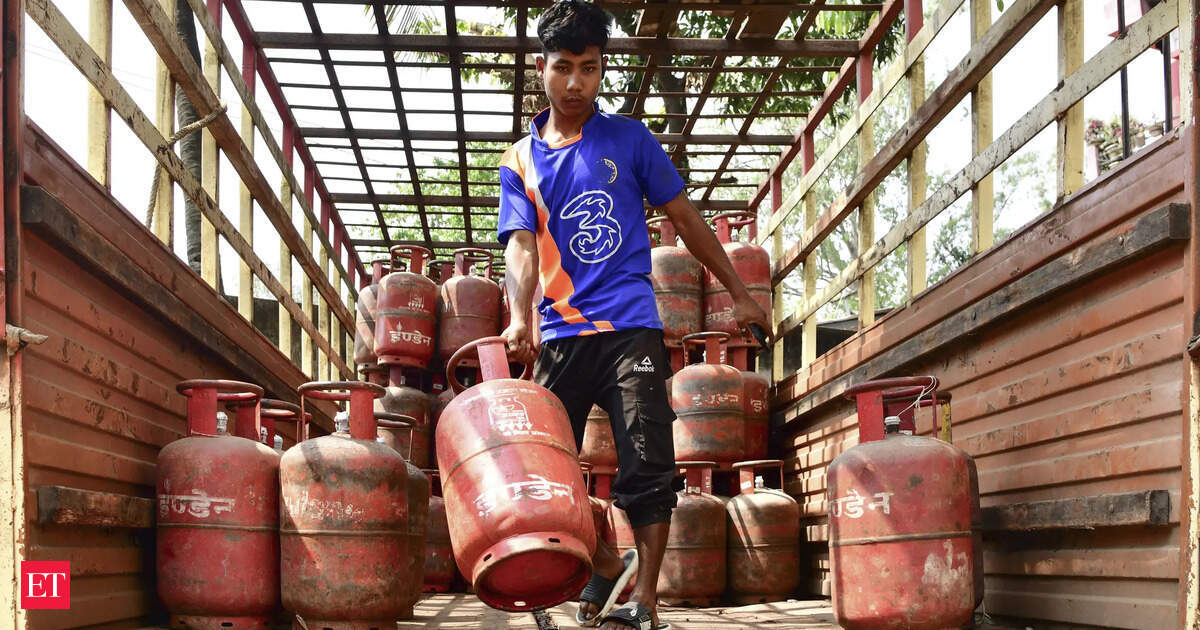
In a move underscoring India’s commitment to energy security amidst heightened geopolitical volatility in West Asia, the Indian government has aggressively ramped up the distribution of 5-kg Liquefied Petroleum Gas (LPG) cylinders. According to recent official data, more than 1.3 million (13 lakh) "Free Trade LPG" (FTL) cylinders have been sold since March 23. The initiative, designed to provide flexible and accessible cooking fuel, has seen daily sales volumes surge past the 100,000-unit mark, signaling a significant shift in consumption patterns among migrant workers and low-income households.
This distribution surge is not merely a social welfare objective; it serves as a critical buffer against the supply chain risks currently plaguing the Middle East, a region that remains the primary source of India’s energy imports. By diversifying the delivery mechanism through smaller, high-frequency consumption units, the government is effectively decentralizing its energy infrastructure to insulate the domestic market from potential logistics disruptions.
Accelerating the PNG Transition
Beyond the immediate push for 5-kg LPG cylinders, the administration is concurrently accelerating the rollout of Piped Natural Gas (PNG). This dual-pronged strategy aims to reduce the country’s reliance on traditional, large-format 14.2-kg cylinders, which are often subject to subsidy fluctuations and supply chain bottlenecks.
For investors monitoring the energy sector, the shift toward PNG represents a long-term capital expenditure cycle. The expansion of the city gas distribution (CGD) network is a cornerstone of India’s effort to transition toward a gas-based economy. By moving consumers toward PNG, the state is creating more predictable demand curves, which are easier to manage during periods of global price volatility.
Market Implications and Regional Risks
For traders and analysts, the situation in West Asia remains the primary variable in the energy equation. As a net importer of fossil fuels, India is inherently sensitive to oil and gas price shocks. The move to increase LPG availability—specifically through the 5-kg format—acts as a price-smoothing mechanism, preventing the social and economic disruption that typically follows fuel scarcity.
"The acceleration of PNG infrastructure and the tactical increase in smaller cylinder sales demonstrate a proactive approach to supply chain resilience," noted analysts tracking the sector. By focusing on the migrant and low-income demographics, the government is ensuring that aggregate demand remains stable, even if global spot prices for LNG and crude oil experience upward pressure due to regional conflicts.
Forward Outlook
Moving forward, market participants should monitor the pace of PNG infrastructure development and the sustainment of the 100,000-unit daily sales volume for 5-kg cylinders. If these sales trends continue, it could indicate a permanent structural shift in India’s domestic energy consumption, potentially reducing the volatility associated with traditional LPG distribution.
Investors should keep a close watch on the energy distribution sector, as companies involved in the CGD network and the logistics of LPG delivery stand to benefit from the ongoing policy push. As West Asian geopolitical tensions remain fluid, India’s ability to manage its domestic energy supply will be a key indicator of its macroeconomic stability in the coming quarters.