Strategic Energy Pivot
As geopolitical tensions in the Middle East continue to introduce unpredictability into global energy supply chains, India is proactively fortifying its domestic fuel security. The Indian government has initiated a two-pronged strategy to insulate its residential sector from potential supply shocks: a significant ramp-up in the distribution of 5-kg Liquefied Petroleum Gas (LPG) cylinders and an accelerated expansion of Piped Natural Gas (PNG) infrastructure.
This shift reflects an urgent need to mitigate the risks associated with imported fuel dependency. By diversifying delivery models and infrastructure, New Delhi aims to ensure that household energy availability remains insulated from the volatility currently roiling the global crude and LNG markets.
The Logic Behind the 5-kg Pivot
The decision to prioritize the 5-kg LPG cylinder is rooted in accessibility and demand management. Historically, the standard 14.2-kg cylinder has been the primary vehicle for domestic cooking fuel. However, by promoting the smaller 5-kg variant, the government is lowering the barrier to entry for lower-income households and transient populations, such as migrant workers, who may find the upfront cost of a full-sized cylinder prohibitive.
From a market perspective, this is a volume-distribution efficiency play. Smaller cylinders allow for more flexible consumption patterns, reducing the fiscal burden of subsidy schemes while ensuring that fuel reaches the most vulnerable demographics. For the state-run Oil Marketing Companies (OMCs), this strategy helps in optimizing supply chain logistics by catering to specific consumption profiles rather than relying on a "one size fits all" distribution model.
Accelerating the PNG Rollout
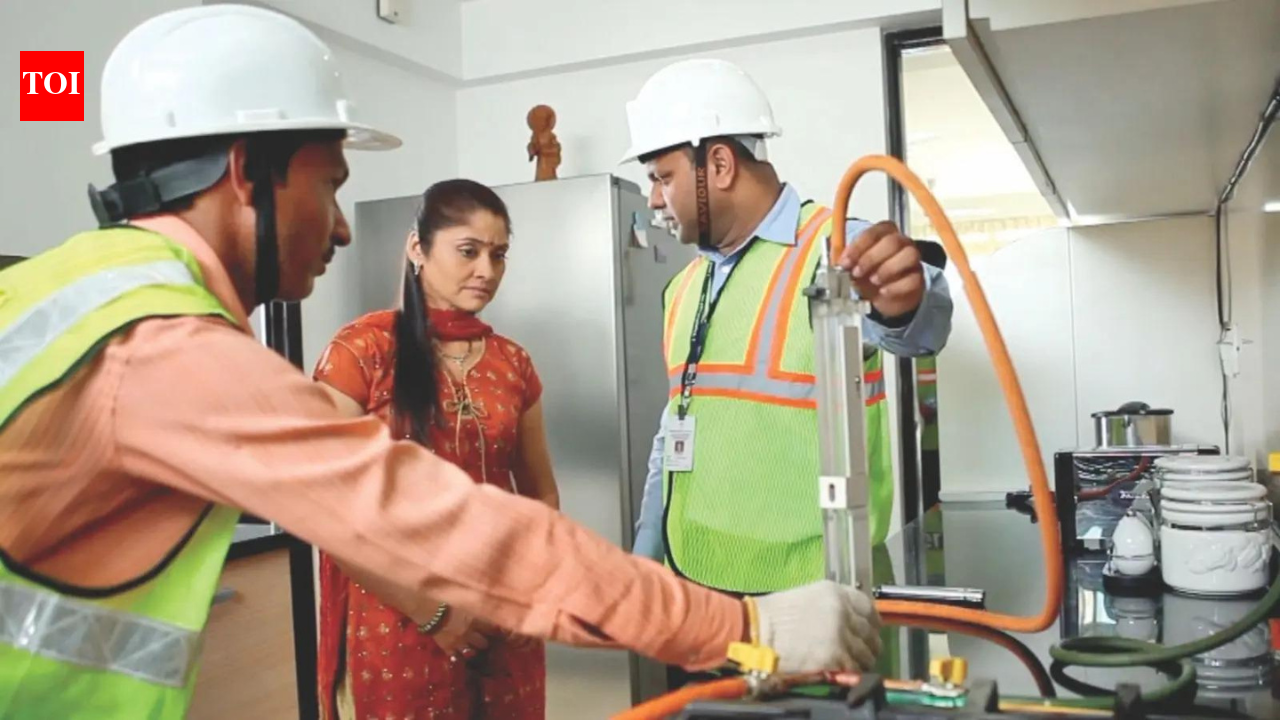
The move toward Piped Natural Gas (PNG) represents a more structural transition. PNG is fundamentally more efficient and cost-effective than cylinder-based LPG, as it eliminates the logistical overhead of bottling, transporting, and distributing individual canisters.
By accelerating the PNG rollout, India is essentially building a "last-mile" energy grid. This reduces the nation’s reliance on the complex, fuel-heavy logistics chain required for LPG cylinders, providing a more stable and continuous energy flow to urban and semi-urban households. For investors, this represents a significant capital expenditure cycle in the midstream and downstream sectors, as the infrastructure requirements for pipeline connectivity are immense.
Market Implications and Geopolitical Context
The Middle East crisis serves as the primary catalyst for these policy shifts. As a major importer of crude oil and natural gas, India is highly sensitive to fluctuations in the Strait of Hormuz and broader regional instability. Any disruption to these maritime corridors directly threatens the cost and availability of India’s energy imports.
For traders and analysts, the Indian government’s proactive stance suggests a shift in focus toward domestic energy resilience. While the immediate goal is consumer protection, the long-term implication is a reduction in the volatility of India's import demand, which could influence global energy pricing dynamics over time. Market participants should monitor the capital allocation of major Indian energy players as they accelerate these infrastructure investments.
Future Outlook: What to Watch
Moving forward, the pace of PNG connectivity expansion will be a critical metric for assessing the success of this strategy. Investors should look for updates on the penetration rates of city gas distribution (CGD) networks. Furthermore, the fiscal impact of these programs on the OMCs will be a key indicator of market health in the energy sector. As India continues to navigate the complexities of global energy markets, the transition toward a more decentralized and pipeline-based distribution system will remain a cornerstone of its national energy security policy.