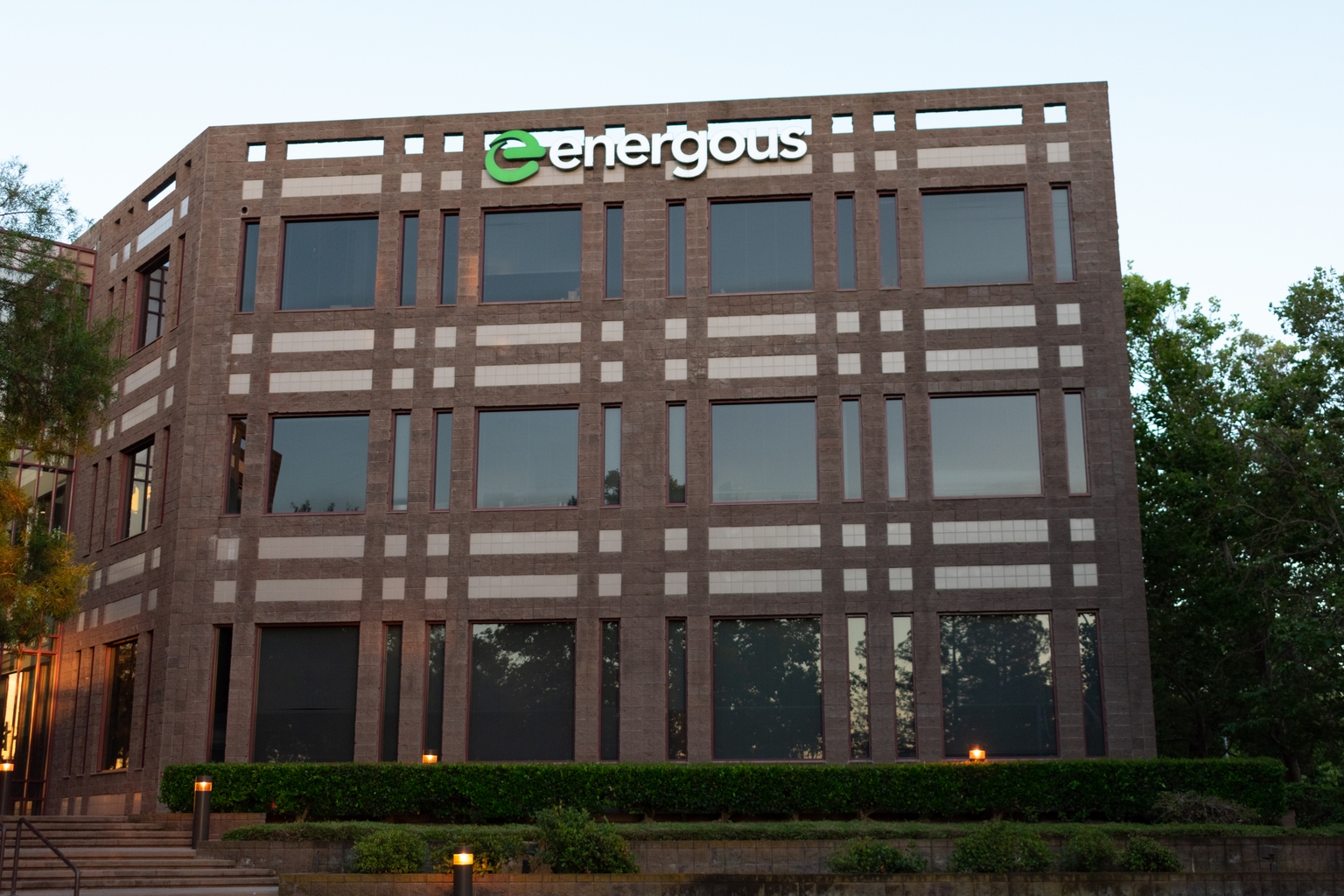
Energous Corporation has shifted its financial narrative by securing a cash runway that now extends between six and 11 years. This development marks a departure from the capital-intensive phase that previously defined the company's wireless power technology rollout. By lowering operational costs and projecting record revenue for 2025, the firm has signaled a transition toward commercial sustainability.
Operational Efficiency and Revenue Trajectory
The extension of the company's liquidity horizon is the primary driver of its current valuation shift. By aggressively managing overhead, Energous has successfully decoupled its immediate survival from the need for frequent capital raises. This stability provides the necessary breathing room to execute on its existing pipeline of customer engagements without the dilution risks that often plague early-stage technology firms.
Management has anchored its 2025 outlook on the expectation of record revenue figures. This projection relies on the successful conversion of pilot programs into full-scale deployments. While the cost-cutting measures have improved the bottom line, the company's ability to maintain this momentum depends on its capacity to scale production and integrate its wireless charging solutions into broader consumer and industrial ecosystems. The shift in stock market analysis for firms like Energous often hinges on this transition from research-heavy spending to revenue-generating operations.
Customer Concentration and Execution Risks
Despite the improved financial footing, the company faces significant exposure to customer concentration. A reliance on a narrow base of partners creates a binary outcome for future earnings. If a primary customer delays a product launch or shifts its hardware strategy, the impact on Energous's revenue recognition could be immediate and severe. This concentration risk remains the most significant hurdle for investors evaluating the firm's long-term viability.
Diversification of the client portfolio is now the critical operational objective. The company must prove that its technology is not merely a niche solution for a few select partners but a scalable standard for wider market adoption. Without a broader customer base, the current revenue projections remain vulnerable to the specific supply chain and product development cycles of its few key clients.
AlphaScala Data Context
Internal tracking of small-cap technology firms shows that companies extending their cash runway beyond five years typically experience a re-rating in valuation multiples. This shift often reflects a transition from speculative pricing to a model based on fundamental execution. However, the market continues to apply a discount to firms with high customer concentration, regardless of their balance sheet strength.
Investors should monitor the upcoming quarterly filings for evidence of new customer wins or expanded contracts with existing partners. The next concrete marker for the company will be the actualization of its 2025 revenue targets. Any deviation from these figures will likely force a reassessment of the company's growth narrative and its ability to navigate the competitive landscape of wireless power. The path forward requires balancing the newfound financial security with the urgent need to broaden market penetration.