Elastic's Cloud Shift Turns Logging Nightmare Into Revenue
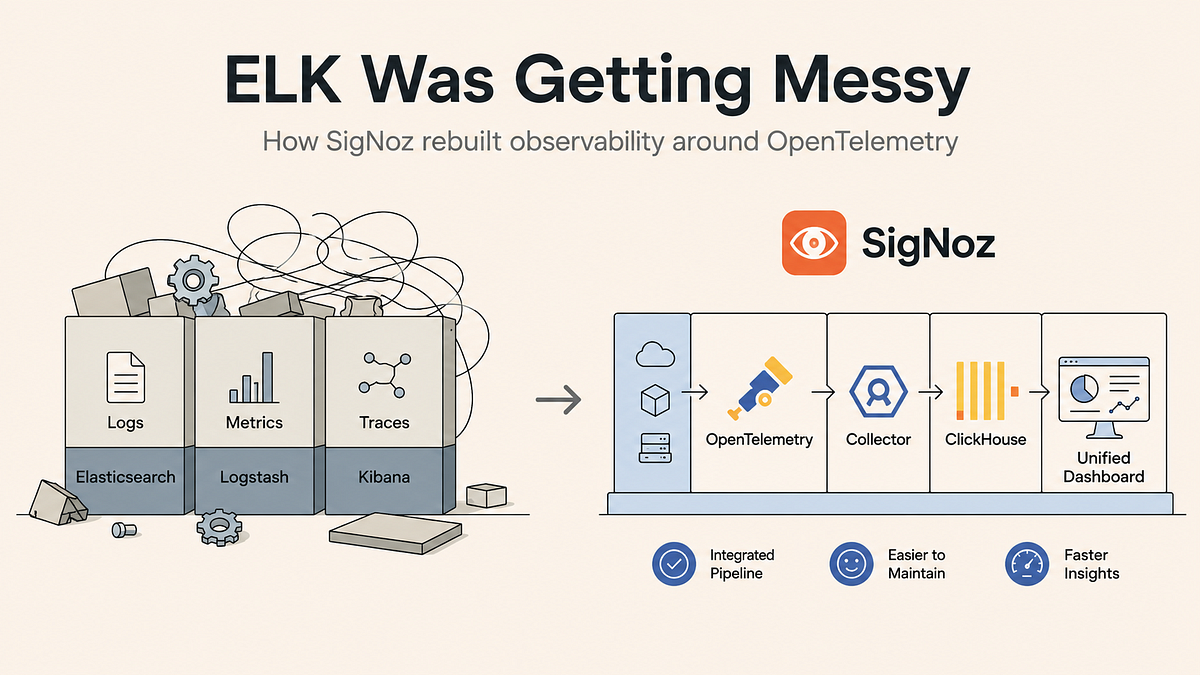
Elastic Cloud revenue grew 35% last quarter as teams hit the pain point of self-managed logging. The conversion cycle from open-source to paid is the stock's key metric.
Alpha Score of 61 reflects moderate overall profile with moderate momentum, strong value, weak quality, moderate sentiment.
A team sets up Elasticsearch, Logstash, and Kibana for logs. Three containers, one afternoon, a working dashboard. The easy part ends there.
Shards drift. Index mappings accumulate cruft. Retention rules multiply. Logstash pipelines stall under burst traffic. The cluster turns yellow at 2:17 a.m. Someone needs to know why.
Then come application metrics. Prometheus and Grafana appear. Distributed tracing via Jaeger. Alerts, agents, dashboards, authentication, backups. The logging project is now a small observability company running inside the actual company.
This pattern repeats across thousands of organizations. The initial appeal of the ELK stack – open source, flexible, cheap to start – collides with the cost of self-maintenance. The hidden expense is not licensing. It is the engineer-hours spent sharding, tuning, patching, and troubleshooting.
Elastic, the company behind Elasticsearch, offers a managed version: Elastic Cloud. The pitch is simple: outsource the cluster headaches, pay for uptime and scale. The market has responded. Elastic Cloud revenue has grown faster than the self-managed segment for several quarters. The company's most recent earnings showed cloud revenue up 35% year over year, while total revenue rose 20%.
That shift is the catalyst. The ELK stack's viral adoption among small teams creates a natural upgrade path. Once a team hits the pain point – the 2:17 a.m. yellow cluster – the managed alternative becomes a budget line item. Elastic's customer count grows, and each new customer tends to start small and expand.
The risk is competition. Datadog offers a broader observability platform that includes logs, metrics, and traces in a single pane. Splunk, now part of Cisco, targets the enterprise log analytics market. Open-source alternatives like Grafana Loki and ClickHouse eat at the low end.
Elastic has a moat: the Elasticsearch ecosystem. Many teams already use the open-source stack. Migrating to Elastic Cloud is a configuration change, not a platform rewrite. The switching cost is lower than moving to a rival product.
For investors, the question is whether Elastic can convert enough of its open-source user base before the pain point fades. Cloud adoption is accelerating. Elastic's cloud revenue mix has risen from 40% to over 60% in two years. If that pace holds, the company can sustain its growth rate without needing to dominate the broader observability market.
A trader watching the stock should track two metrics: cloud revenue growth and net dollar retention. Both appear in the quarterly earnings release. A slowdown in cloud growth would signal that the conversion cycle is lengthening. A drop in retention would suggest customers are churning to competitors.
The next earnings report is due in late May. The stock's recent pullback – down 15% from its February high – may already price in some caution. If cloud revenue beats consensus, the setup could tighten.
The ELK stack is easy to start. Keeping it alive is the nightmare. Elastic's business model turns that nightmare into a subscription.
Drafted by a large language model from the source reporting linked above, then screened by automated publishing checks. It is not read by a journalist before publication. Some articles cite our Alpha Score. Verify prices and figures against the original source. Educational coverage, not personalized advice.