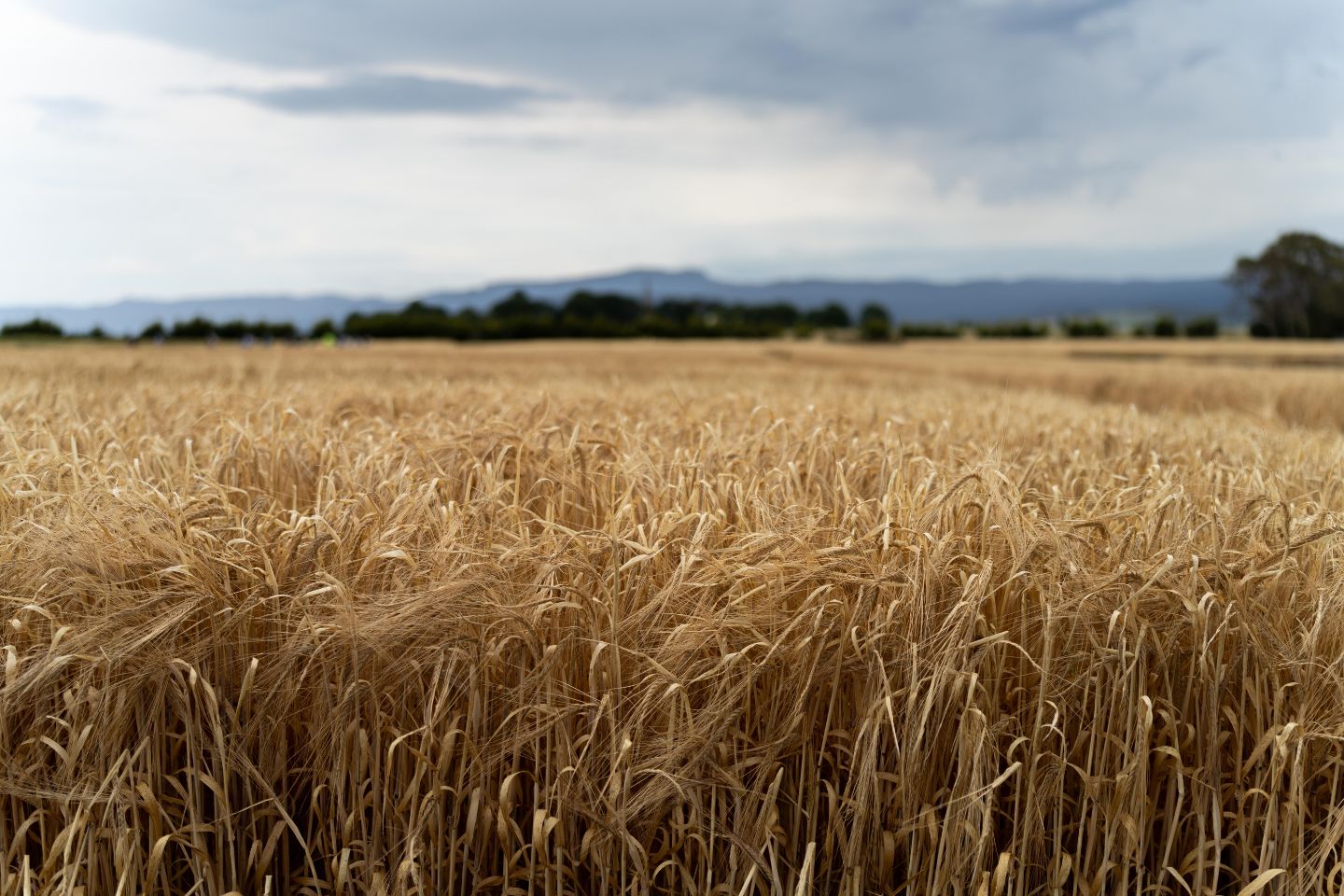
The arrival of El Niño this season carries a stronger market signal than recent cycles. The weather pattern, now active across the equatorial Pacific, alters precipitation and temperature norms for key producing regions. The simple read is a one-direction bet on soft commodities. The better read involves a chain of cause and effect across agriculture, energy, and reinsurance that changes the risk positioning for each sector.
Why This Season Is Different
The current El Niño follows a multi-year La Niña that masked some structural stresses in global supply chains. La Niña tended to boost crop yields in parts of South America and Southeast Asia. The shift to El Niño reverses those advantages. South America faces drier conditions during key planting windows for soy and corn. Southeast Asia enters a hotter and drier phase that pressures palm oil output. The difference this season is not just the weather anomaly itself but the tightness of global grain inventories after the Ukraine conflict and India’s export restrictions. A production shock in one region now transmits faster to global prices than it would have five years ago.
Soft Commodities at Risk
The most direct exposure runs through palm oil, sugar, coffee, and cocoa. El Niño historically reduces rainfall in Indonesia and Malaysia, the top palm oil suppliers. Lower yields combine with elevated fertilizer costs to compress producer margins and lift benchmark prices. Sugar mills in India and Thailand face reduced cane yields if the monsoon weakens. Arabica coffee growers in Brazil may see a drier flowering season. The market read-through is not linear. A palm oil rally often lifts soybean oil as a substitute, linking vegetable oils across exchanges. Investors tracking agricultural commodity ETFs should watch the Monsoon Index and the Australian Bureau of Meteorology’s El Niño outlook for confirmation of duration.
Energy and the Inflation Link
El Niño also affects energy demand through temperature departures. A stronger event typically brings milder winters to the northern United States and Europe, reducing heating demand for natural gas and heating oil. That pressure on natural gas prices is partially offset by lower hydroelectric generation in regions dependent on rainfall, such as Colombia and East Africa. The net effect on crude oil is indirect: weaker winter demand for distillates versus potential supply disruptions from tropical cyclones in the Gulf of Mexico. The more important connection runs through inflation expectations. A sustained rise in food and energy prices complicates central bank rate paths, especially for emerging-market central banks that already face currency pressure. El Niño adds a supply-side headwind to inflation that monetary policy cannot quickly resolve.
The Insurance and Reinsurance Factor
The property and casualty insurance sector faces both a frequency and severity shift. El Niño modifies hurricane tracks in the Atlantic Basin, historically reducing the number of storms but increasing the chance of landfalls along the U.S. Gulf Coast and Central America. Reinsurers that wrote policies based on La Niña era risk models must adjust capital allocation. The El Niño years of 2015-2016 produced significant flood and drought claims in Asia and Australia. For investors in insurance stocks, the key metric is reserve adequacy, not just premium growth. A single large catastrophe loss in a tight reinsurance market can trigger a repricing cycle across the sector.
Seeing Through the Event
A trader’s first instinct is to buy agricultural futures on any El Niño declaration. The more disciplined approach is to watch for confirmation of regional dryness two to three weeks out, then position in a way that accounts for cross-commodity substitutes and broader inflation hedge flows. The current ENSO (El Niño-Southern Oscillation) forecast from the Climate Prediction Center shows a 90% probability of the event persisting through the Northern Hemisphere winter. That timeline aligns with the critical South American growing season. The decision point for most watchlists is whether to treat El Niño as a tactical seasonal trade or a structural position linked to climate variability. The answer depends on how the event interacts with an already fragile global supply chain for staples.
The next concrete markers are the Australian Bureau of Meteorology’s weekly drought update and the USDA’s World Agricultural Supply and Demand Estimates report for South American production. If those show material downward revisions, the El Niño catalyst shifts from a risk to a position. If the weather models weaken, the trade fades. The market is not pricing certainty. It is pricing optionality.