Commodities● Neutral
OPEC Members Plan 206,000 BPD Oil Hike Pending Strait Stability
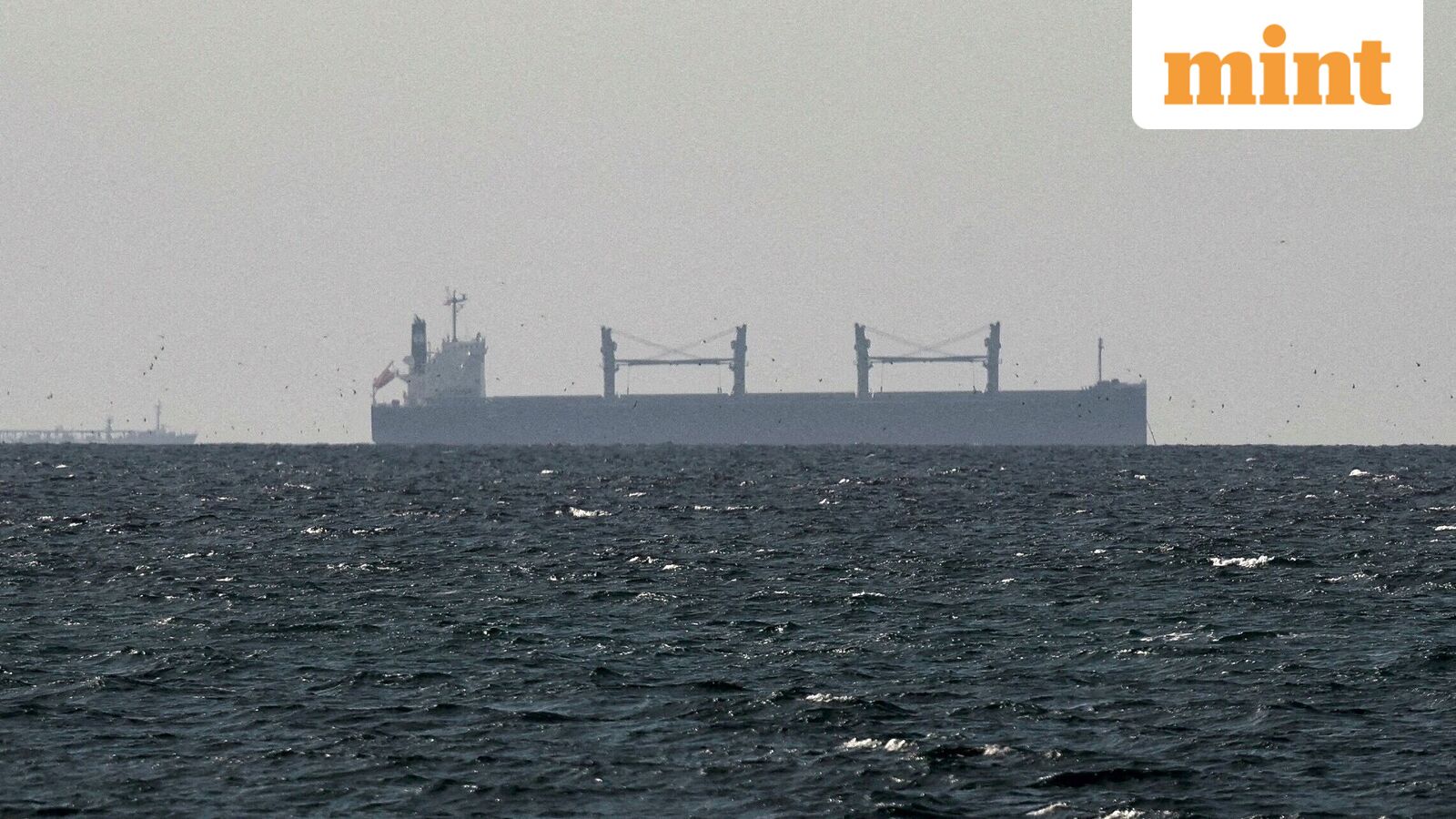
Production quotas face operational hurdles as regional conflict threatens maritime transit. Actual output gains remain unlikely until the Strait clears.
Continue with
Eight OPEC member nations have reached an agreement to raise oil production quotas by 206,000 barrels per day starting in May. This planned output increase is contingent upon the Strait of Hormuz becoming navigable again, a critical shipping lane currently impacted by regional instability.
While the agreement marks a formal commitment to higher volumes, industry observers note that the production boost is largely symbolic. Major oil-producing nations within the bloc currently face significant operational challenges, making an actual increase in output difficult to achieve while the ongoing conflict involving the United States, Israel, and Iran persists. The geopolitical tension continues to create substantial uncertainty regarding maritime transit through the Strait, effectively capping the near-term ability of these nations to fulfill the proposed production quotas.