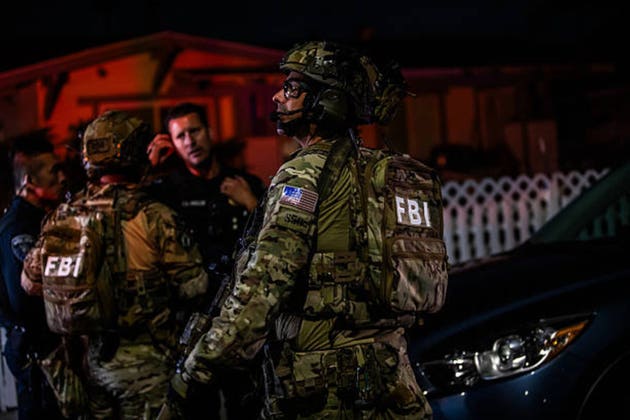
The U.S. Dollar Index (DXY) is reacting to heightened geopolitical and domestic security concerns following reports of political violence. Markets typically respond to such events through a flight to quality, favoring the dollar as a primary safe-haven asset during periods of acute uncertainty. This shift in sentiment often triggers a rapid repricing of currency pairs as capital moves away from risk-sensitive assets toward the liquidity and perceived stability of the greenback.
Currency Market Response to Security Shocks
When domestic security incidents occur, the initial market reaction is characterized by a spike in volatility across major currency pairs. The dollar often benefits from this environment, as investors seek to hedge against potential disruptions to economic activity or policy continuity. The current move in the DXY reflects a broader risk-off posture, where the currency acts as a buffer against the unpredictability of political developments. This mechanism is distinct from interest rate-driven moves, as it relies on the dollar's role as the global reserve currency rather than yield differentials between the Federal Reserve and other central banks.
Sectoral Implications and Risk Reallocation
Beyond the immediate currency impact, market participants are evaluating the potential for increased government spending on security, defense, and cybersecurity infrastructure. These sectors often see increased attention following security-related events, as policy responses frequently involve heightened investment in surveillance and protective technologies. While the broader equity market may experience short-term pressure due to uncertainty, specific segments tied to national security may decouple from the general trend.
AlphaScala data currently reflects varying sentiment across sectors, with ON stock page holding an Alpha Score of 45/100, T stock page at 58/100, and SAFE stock page at 54/100. These scores provide a baseline for how different industries are positioned as capital flows shift in response to evolving risk profiles.
- Heightened demand for liquid assets like the dollar.
- Potential for increased fiscal allocation toward defense and cybersecurity.
- Increased volatility in risk-sensitive currencies and emerging market assets.
Monitoring the Path Forward
The next concrete marker for the DXY will be the consistency of safe-haven flows as the investigation into the incident progresses. Markets will monitor whether the security concerns remain localized or if they begin to influence broader consumer sentiment and domestic economic data. The persistence of the current dollar strength will depend on whether the event triggers a sustained period of risk aversion or if the market returns to focusing on fundamental economic indicators and central bank policy trajectories. Investors should watch for any shifts in fiscal policy announcements that could signal a long-term change in government spending priorities related to national security. Further forex market analysis will be necessary to determine if this event marks a structural shift in currency valuations or a temporary reaction to a high-impact news cycle.