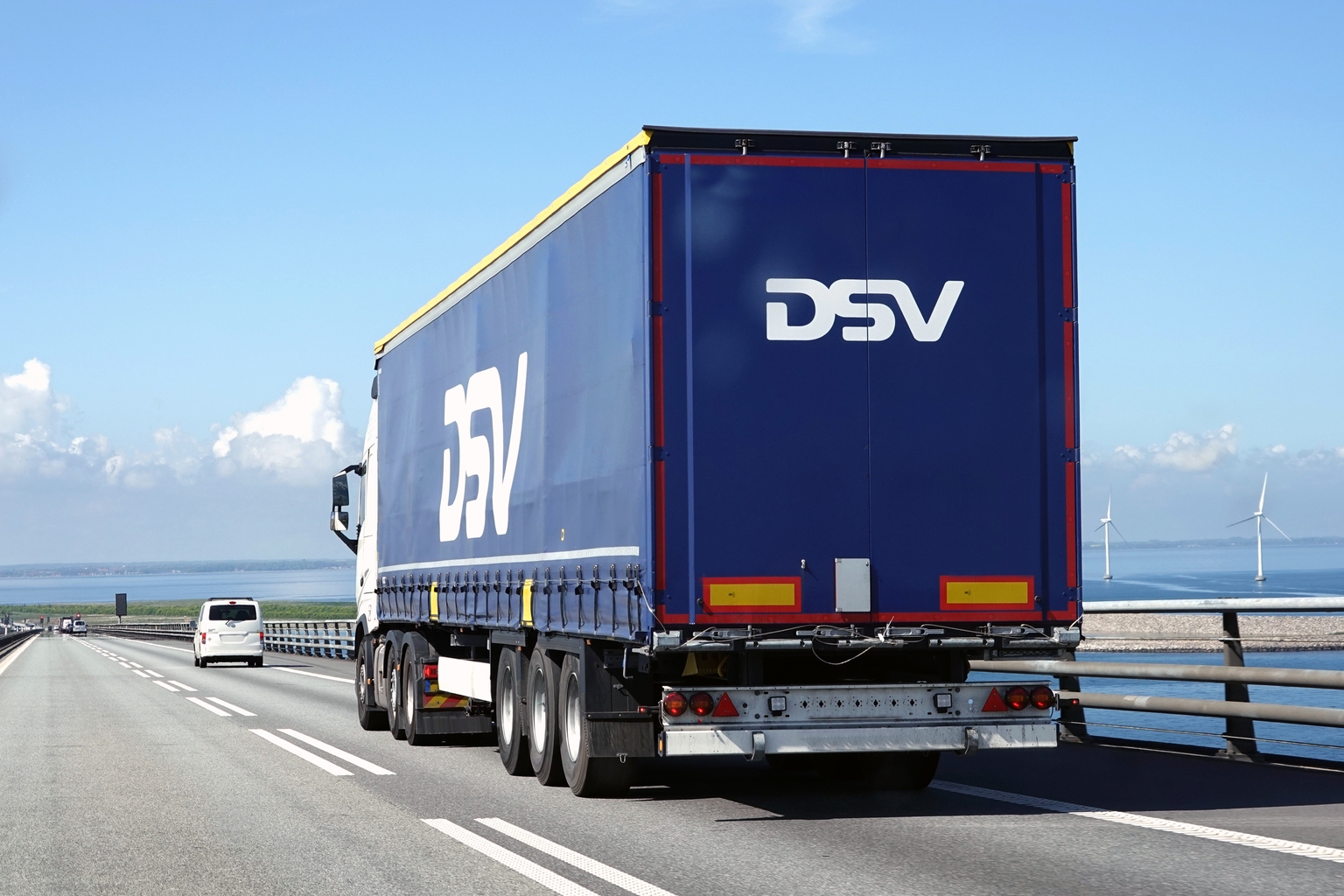
DSV A/S (DSDVF) reported Q1-2026 results on April 29 and held a capital markets day on May 12. The two events together form a clear catalyst: management laid out the integration roadmap for the DB Schenker acquisition, a deal that reshapes the global third-party logistics (3PL) landscape. The headline number from the capital markets day is a projected 30% upside from current levels, driven by cost and revenue synergies over the next three to five years.
Schenker Synergy Math: What DSV Must Prove
The Schenker megadeal makes DSV the world's largest 3PL operator by revenue, surpassing Kuehne+Nagel. The scale shift is not incremental. DSV now controls a combined air and ocean freight network that covers every major trade lane, plus a European road freight business built over decades. The integration plan targets DKK 7 billion in annual run-rate synergies by 2029. Roughly 60% comes from procurement savings, network optimization, and IT consolidation. The remaining 40% derives from cross-selling and revenue retention.
Management stressed that DSV's track record with previous acquisitions – Panalpina in 2019 and UTi in 2016 – gives credibility to the synergy targets. Both deals delivered above-forecast cost savings and margin expansion within two years. The Schenker integration is larger. The playbook is familiar: centralize procurement, eliminate overlapping facilities, and migrate legacy systems onto DSV's proprietary platform.
Two Numbers That Define the Upside
DSV shares trade at about 18x forward earnings, a premium to the broader transport sector but a discount to its own five-year average of 22x. The capital markets day presentation argued that successful execution of the Schenker synergies could lift EBITDA margins from the current 12% to 15% by 2028. That earnings-per-share growth underpins the 30% upside target. The analysis assumes no major macroeconomic downturn. DSV's diversified freight mix – air, sea, road, and contract logistics – provides some buffer against single-mode weakness.
The integration story hinges on two metrics: integration cost run-rate and customer retention rates. DSV expects total integration costs of about DKK 5 billion, spread over three years. If those costs come in below budget or the timeline accelerates, the upside case strengthens. If customer churn exceeds 5% in the first year, the synergy math breaks down.
Next Marker: Q2 Organic Growth Trend
The next concrete marker is the Q2-2026 report in late July, which will include the first full quarter of combined operations. The key line item is organic revenue growth excluding the Schenker contribution. A stable or accelerating organic trend would signal that the integration is not distracting the core business. A sharp deceleration would raise execution risk.
DSV's capital markets day gave long-term holders a clear framework: the 30% upside depends on synergy delivery, not on multiple expansion. For traders, the stock may remain range-bound until the first tangible evidence of cost savings appears in the financial statements. The risk-reward tilts positive, though only for those willing to hold through the integration noise.
For a broader view of how logistics stocks fit into current stock market analysis, see our sector coverage. DSV's playbook is also relevant for investors comparing best stock brokers to access international equities.