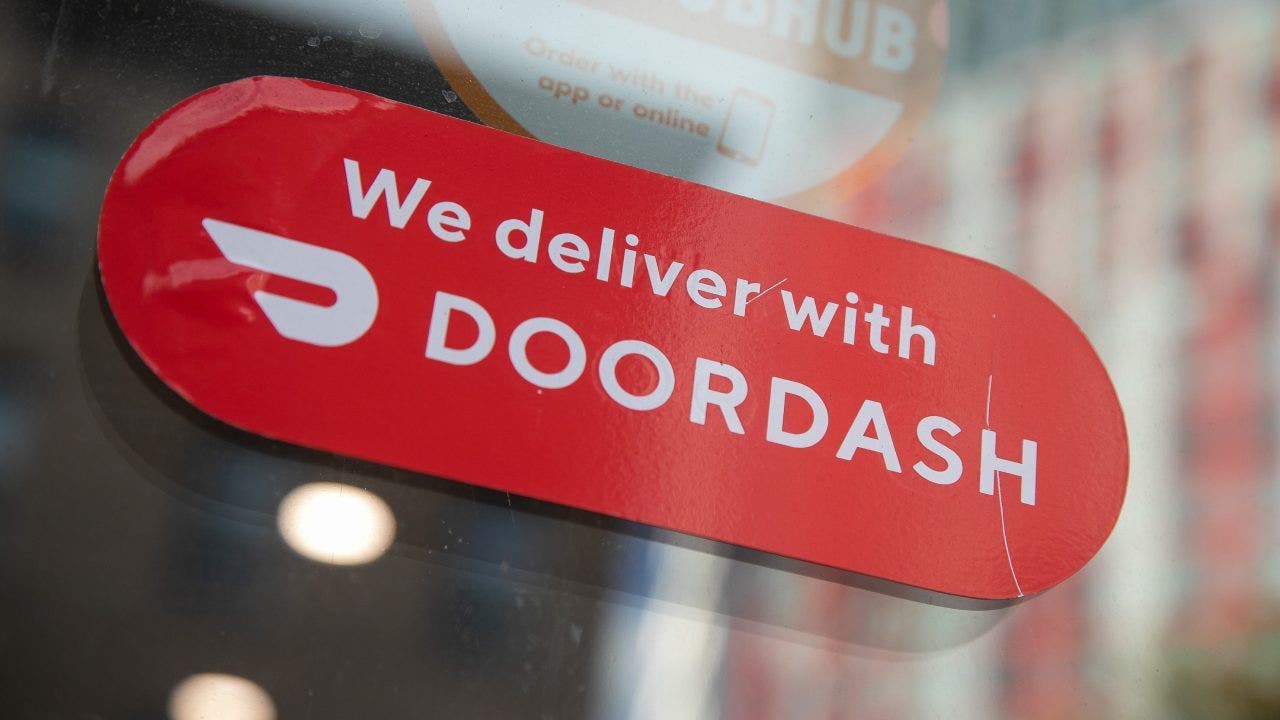
Monetizing the Marketplace
DoorDash (DASH) is deepening its integration with restaurant operators by launching a suite of advertising tools. The platform aims to move beyond simple delivery logistics to become a primary marketing channel for its merchants. By allowing restaurants to target loyal diners and incentivize larger order sizes, the company is effectively introducing a high-margin software layer atop its existing food delivery infrastructure.
Historically, delivery platforms relied heavily on commission structures tied to order volume. This new direction suggests a shift toward a more sophisticated advertising model, similar to the retail media networks currently dominated by Amazon (AMZN). For merchants, these tools offer a way to cut through the platform's noise, but they also necessitate a higher marketing budget to maintain visibility.
Strategic Implications for Traders
Investors should view this as a potential margin expansion play for DASH. If the company successfully converts its massive transaction volume into a recurring ad-revenue stream, it could decouple its earnings growth from the volatility of delivery labor costs and fuel prices. This transition is essential for companies operating in the gig-economy space as they face ongoing market analysis regarding profitability.
Traders should watch for the following impacts:
- Margin Expansion: Any shift toward ad-based revenue typically commands higher valuation multiples than logistics-heavy revenue.
- Merchant Retention: The effectiveness of these tools will dictate whether restaurants view the platform as a partner or a necessary evil with rising costs.
- Competitive Pressure: Uber Eats (UBER) and other delivery services will likely feel the need to replicate or counter these tools to keep their own restaurant partners from migrating ad spend.
What to Watch
Market participants are looking for evidence that these tools actually increase conversion rates for restaurants without cannibalizing existing organic traffic. If ad load becomes too high, it could degrade the user experience and lead to higher churn among price-sensitive diners. Keep a close eye on the company's upcoming earnings calls for metrics related to 'advertising revenue' or 'non-delivery revenue' growth.
"DoorDash is positioning itself to capture a larger share of the restaurant marketing budget, moving from a fulfillment partner to a growth engine."
Watch the technical performance of DASH relative to the broader indices like the IXIC, as the stock has historically shown sensitivity to shifts in consumer discretionary spending patterns. As companies move toward high-margin digital advertising, the barrier to entry for smaller platforms increases, potentially leading to further consolidation in the delivery space. This strategy is a clear attempt to lock in merchants while diversifying revenue streams.