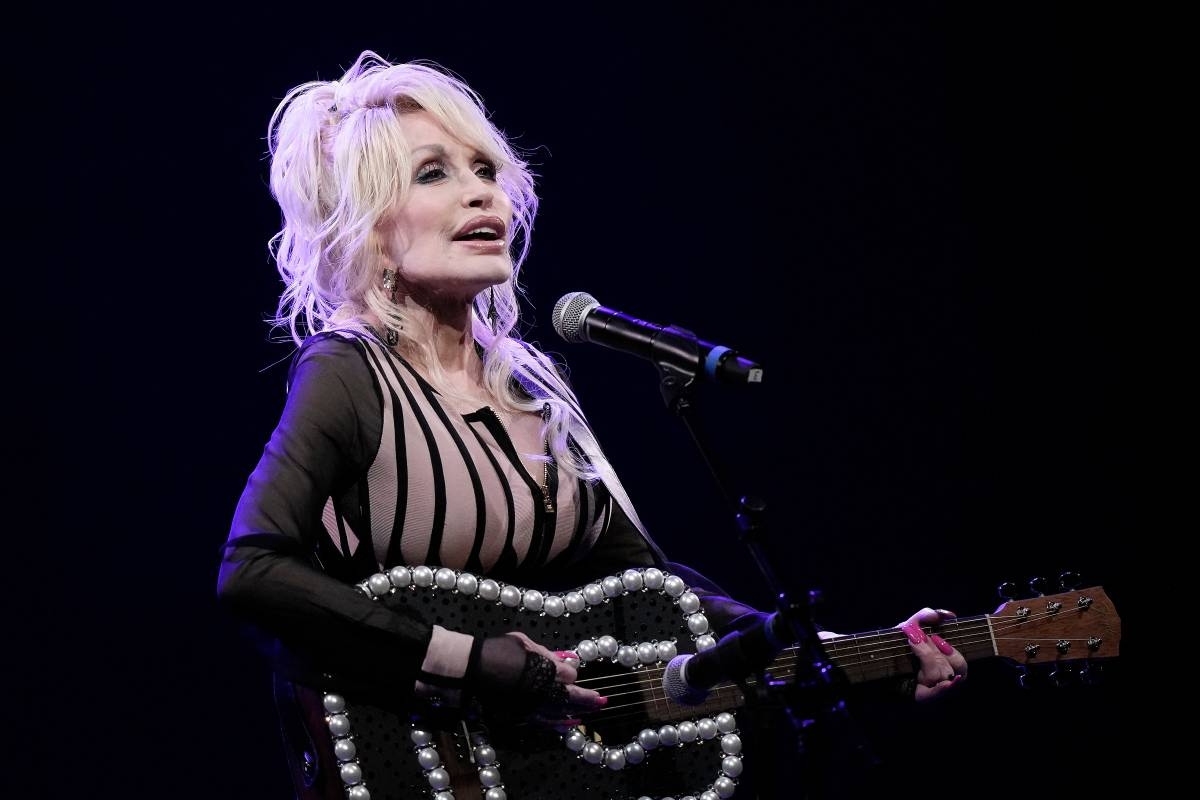
Dolly Parton has canceled her Las Vegas residency due to health issues. The move creates a revenue void for venue operators and shifts focus to future bookings.
Alpha Score of 52 reflects moderate overall profile with strong momentum, poor value, moderate quality, weak sentiment.
Dolly Parton has officially canceled her planned Las Vegas residency, citing ongoing health challenges that have left her feeling what she describes as "swimmy headed." The cancellation marks a definitive end to a project that had already faced previous delays, forcing a reset for stakeholders involved in the production and the broader entertainment ecosystem that relies on high-profile residencies to drive tourism and ticket revenue.
While the artist has publicly assured fans that her current ailments are treatable, the sudden termination of the residency creates an immediate void in the Las Vegas entertainment calendar. For the hospitality and gaming sector, residencies are not merely artistic endeavors; they are critical anchors for weekend occupancy rates and high-margin spending. The loss of a major headliner of this caliber ripples through the local economy, affecting everything from hotel room demand to ancillary spending at nearby venues and dining establishments.
When a high-profile residency is canceled, the primary impact is felt in the immediate loss of projected revenue for the host venue. These contracts are typically structured with significant upfront investments in stage production, marketing, and staffing. A sudden cancellation forces the venue to scramble for replacement acts, which often lack the same draw or require significant lead time to organize. This creates a liquidity and operational gap that can weigh on quarterly performance metrics for the operators involved.
Beyond the venue, the broader entertainment sector often experiences a cooling effect when major stars pull back from touring or long-term commitments. Investors in stock market analysis often view these events as idiosyncratic risks, yet they serve as a reminder of the volatility inherent in the live entertainment business model. When talent health becomes a recurring theme, it forces a re-evaluation of the risk premiums assigned to companies that rely heavily on a small roster of aging or high-demand performers to fill seats.
From a market perspective, the key concern is whether this cancellation signals a shift in the artist's long-term touring capacity or if it is an isolated incident. The "swimmy headed" description, while vague, introduces uncertainty regarding the feasibility of future live engagements. For those tracking the entertainment industry, the focus shifts to how venue operators adjust their guidance to account for the loss of anticipated ticket sales and the potential for increased insurance costs related to talent health clauses.
Investors should look for updates from the venue operators regarding the mitigation of these losses. The next decision point will be the release of updated event calendars and any disclosures regarding the financial impact of the canceled dates. If the venue cannot secure a comparable replacement, the resulting revenue shortfall could influence short-term sentiment toward the hospitality and leisure sector, particularly if other major acts follow suit with similar health-related cancellations. Monitoring the speed at which the venue pivots to new programming will be the primary indicator of operational resilience in the wake of this development.
AI-drafted from named sources and checked against AlphaScala publishing rules before release. Direct quotes must match source text, low-information tables are removed, and thinner or higher-risk stories can be held for manual review.