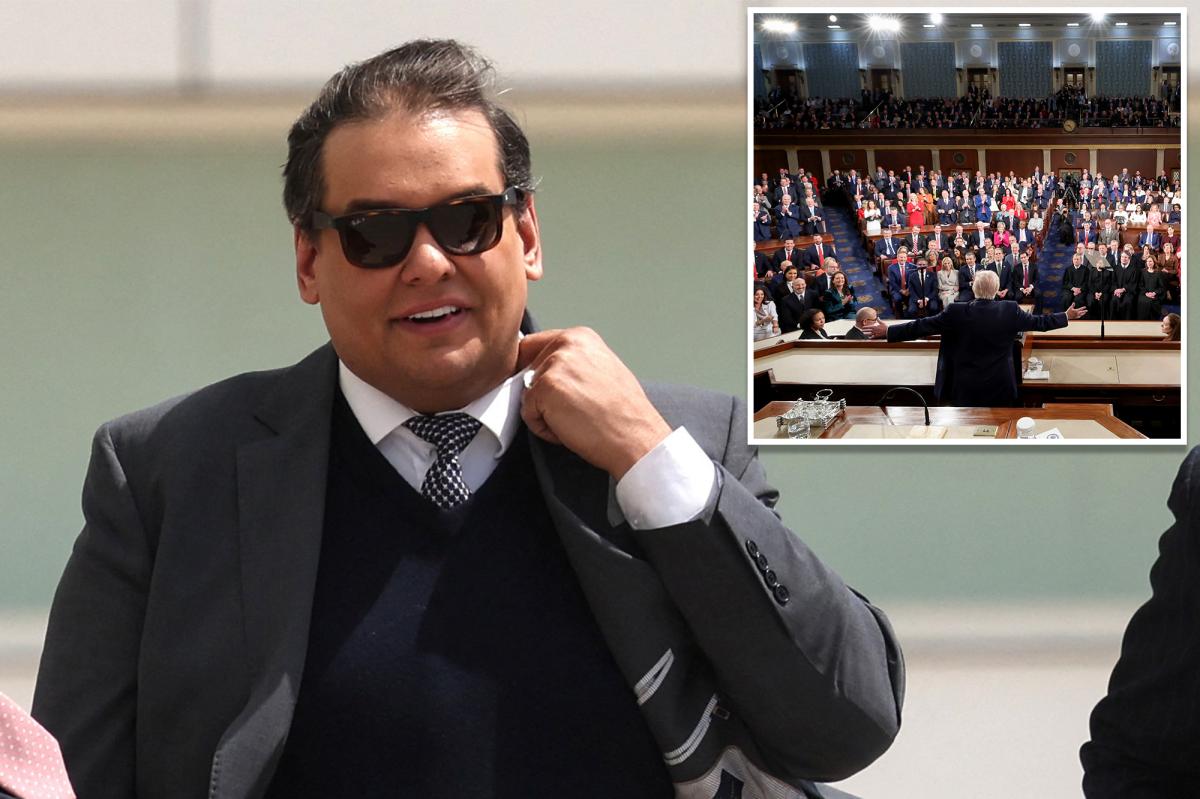
The Department of Justice is investigating former Representative George Santos over allegations that he placed bets on Kalshi predicting his own absence from President Trump’s February State of the Union address, then misled the public to influence the outcome. Sources told NPR that Santos allegedly bought contracts betting he would skip the speech, posted a video on X the day before saying he would “be there…in the gallery,” and ultimately did not attend. Kalshi froze his account and referred the case to the Commodity Futures Trading Commission and the DOJ. Santos denied knowledge of the probe, calling the report “news to [him].”
The Information Asymmetry Problem
The simple read: a former congressman with a history of fraud allegations used a thinly regulated platform to profit from a lie. The better market read: this is the first high-profile test of whether event-contract operators can police information asymmetry and market manipulation without a formal insider-trading framework.
Prediction markets like Kalshi rely on trader honesty and decentralized information aggregation. A participant who controls the underlying event–a politician deciding whether to attend a speech–creates a structural information advantage that no order-book model can fully price. The DOJ probe effectively asks whether manipulating a prediction market through public statements constitutes securities fraud, wire fraud, or commodities manipulation. The answer will shape how platforms design vetting, reporting, and referral protocols.
Kalshi's Regulatory Exposure and the CFTC Tightrope
Kalshi’s immediate exposure is reputational and regulatory. The platform self-reported the suspicious activity, limiting direct liability but not erasing the fact that a known figure allegedly moved a market with a single social-media post. The CFTC, which has taken an uneven stance on event contracts–approving some, blocking others–now faces pressure to clarify rules around position limits, disclosure, and manipulative conduct.
A secondary effect lands on user confidence. If institutional or retail participants believe that event outcomes can be skewed by a single bad actor with inside knowledge, volume on platforms like Kalshi and PredictIt could contract. The investigation also raises the stakes for any pending enforcement action or policy review by the CFTC.
- Key risk timeline: Kalshi referred the case; DOJ investigation is active. A formal charge would escalate the precedent.
- What would reduce the risk: A quick DOJ declination or a clear CFTC rule codifying anti-manipulation standards for event contracts.
- What would make it worse: An indictment, coupled with evidence that Kalshi’s controls were insufficient to flag the trades before the event.
Affected Assets and Second-Order Links
No public company ticker directly maps to this story. The investigation acts as a sentiment filter on the broader event-contract ecosystem. Platforms that rely on political or celebrity-event contracts face higher compliance costs and potential user exodus if trust erodes. The case also indirectly touches the CFTC’s pending decisions on election betting, which remain in litigation.
For traders tracking regulatory-driven volatility, the next concrete marker is any public filing or statement by the DOJ or CFTC. A charge would likely trigger immediate sell-offs in event-contract volumes and push platform operators to tighten identity verification. A quiet closure would be taken as a signal that existing self-reporting mechanisms are sufficient.
The Santos probe is not a systemic market event. It is a defining test for how U.S. regulators handle the intersection of public statements, private bets, and market integrity in a new asset class. See more stock market analysis.