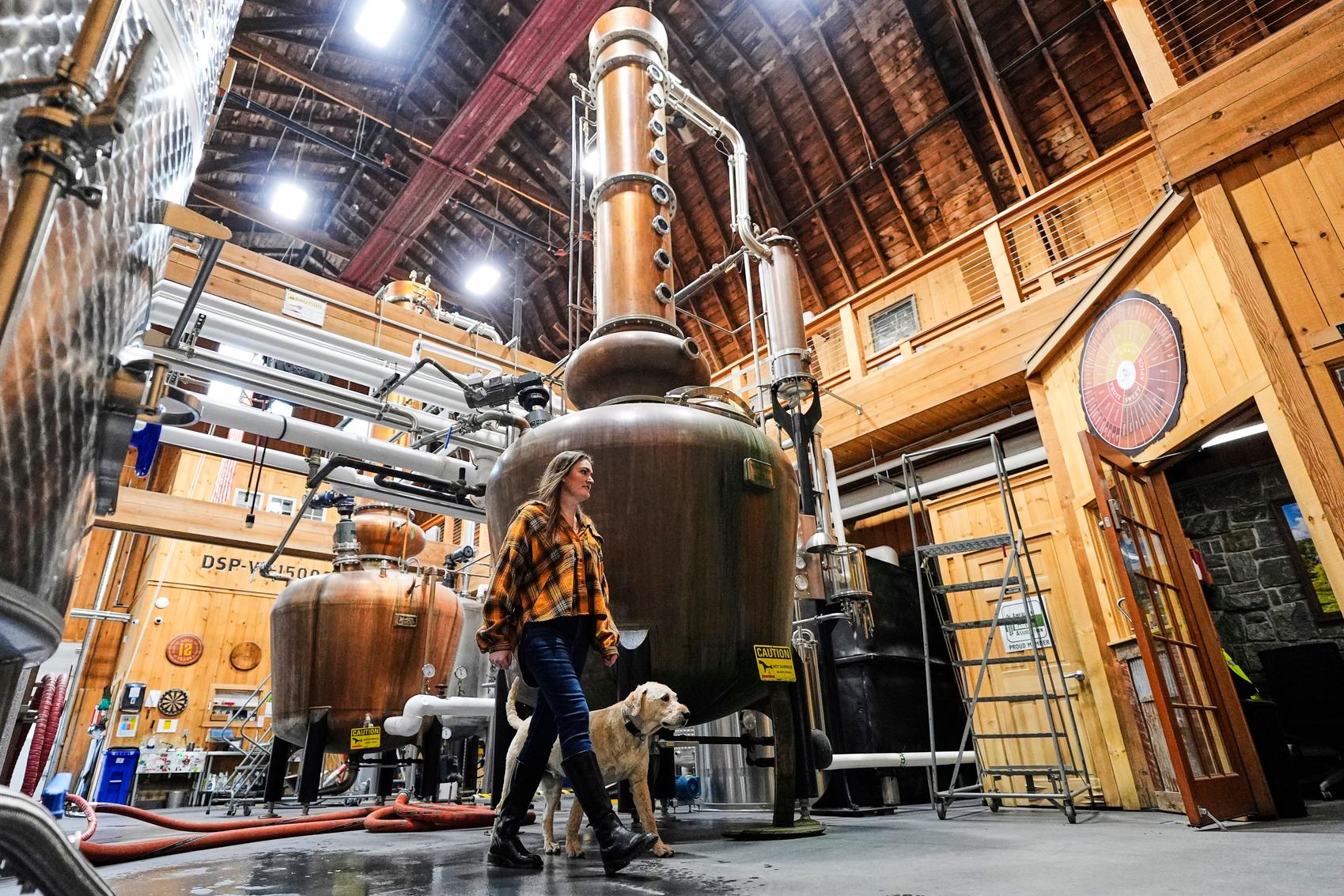
The traditional narrative of the whiskey industry is undergoing a structural transformation as female professionals move into technical leadership roles and the consumer base broadens. The shift from a male-dominated production environment to one defined by chemical engineering expertise and diverse consumer preferences is altering how brands approach product development and market positioning. This transition is not merely a cultural trend but a fundamental change in the operational talent pool and the target demographic for premium spirits.
Technical Leadership and Production Innovation
The integration of chemical engineering into the distilling process marks a departure from legacy methods that relied heavily on generational intuition. By applying rigorous scientific frameworks to fermentation and distillation, companies are optimizing yield and consistency. This professionalization of the distillery floor allows for more precise flavor profiles, which is essential for capturing a wider audience that values technical quality over historical branding alone. The rise of female master distillers signals a shift toward data-driven production cycles that prioritize efficiency and innovation in a sector historically resistant to change.
Broadening Consumer Engagement
As the demographic profile of the whiskey consumer shifts, distillers are adjusting their marketing and product portfolios to reflect changing tastes. The historical reliance on a narrow customer segment is being replaced by a strategy that emphasizes accessibility and variety. This evolution is critical for long-term growth in the consumer cyclical space, as companies must now compete for share of wallet among a more diverse cohort of drinkers. Brands that fail to adapt their messaging or product offerings to this expanded demographic risk losing relevance as the industry moves away from its traditional, exclusionary roots.
AlphaScala Market Context
Industry participants are monitoring how these demographic shifts influence long-term brand loyalty and pricing power within the broader consumer cyclical sector. For investors tracking the stock market analysis, the ability of legacy spirits companies to pivot their operational leadership and marketing strategies serves as a proxy for their overall agility. While individual firms like Amer Sports, Inc. (AS stock page) operate in different segments, the broader trend of shifting consumer preferences remains a key variable for valuation models across the consumer goods landscape.
AlphaScala currently tracks Amer Sports, Inc. with an Alpha Score of 47/100, reflecting a Mixed outlook within the consumer cyclical sector. Meanwhile, AT&T Inc. (T stock page) maintains an Alpha Score of 57/100, illustrating the varied performance metrics across different industrial sectors.
The next concrete marker for this narrative will be the upcoming quarterly earnings reports from major spirits conglomerates, specifically looking for commentary on demographic-specific sales growth and investments in R&D talent. Investors should watch for shifts in capital expenditure toward modernizing production facilities to support these new technical leadership roles, as this will indicate the depth of the industry's commitment to this structural pivot.