Stocks● Neutral
Caracas Diplomatic Shift Alters Regional Asset Risk Profiles
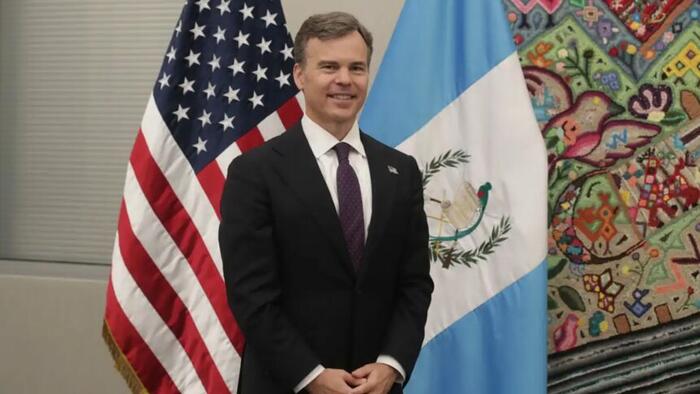
New formal channels in Venezuela signal a potential easing of sanctions. Investors are reassessing regional exposure as ON and NOW show mixed Alpha Scores.
Continue with
The arrival of a senior United States diplomat in Caracas marks a formal shift in the bilateral relationship between Washington and Venezuela. This development signals a transition toward structured engagement, moving away from the prolonged period of diplomatic isolation that has defined the last several years. For investors, this change alters the risk profile for regional operations and potential energy sector exposure.
Impact on Regional Energy and Asset Exposure
The presence of a diplomatic representative provides a formal channel for negotiation, which is a prerequisite for any potential easing of sanctions or the restructuring of debt held by foreign entities. Historically, the absence of such channels created a high-barrier environment for multinational corporations operating in the energy and infrastructure sectors. The new diplomatic presence suggests that the United States is prioritizing a managed transition, which may eventually lead to clearer regulatory frameworks for companies with legacy assets in the region.
This shift is particularly relevant for firms that have maintained a footprint in Latin American markets despite political volatility. While the immediate impact is diplomatic, the secondary effect involves the potential for improved liquidity in regional markets if the transition plan gains traction. Investors are now assessing whether this move will lead to a broader normalization of trade relations or if it remains a localized diplomatic effort with limited economic spillover.