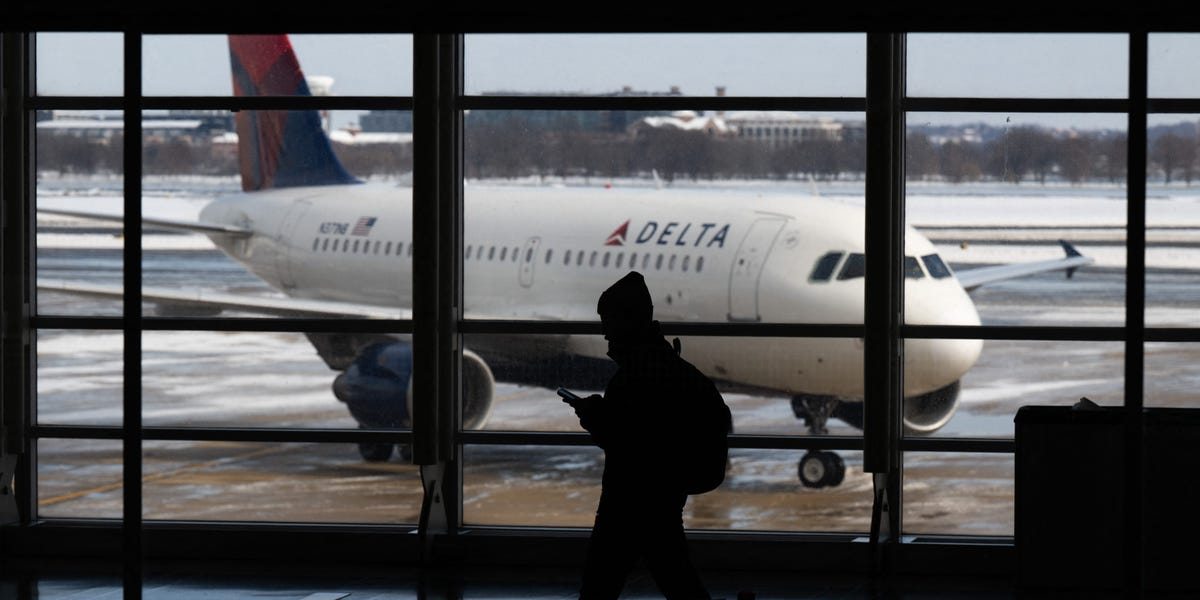
Delta Air Lines is currently grappling with a wave of flight cancellations that significantly outpaces its industry peers. An internal memo confirms that the root cause lies within the company's internal crew and scheduling systems. While the broader airline sector often faces weather-related or air traffic control disruptions, the scale of Delta's current operational failure suggests a localized breakdown in resource management rather than a systemic industry event.
Operational Bottlenecks and Crew Constraints
The primary issue appears to be a disconnect between crew availability and the airline's complex scheduling software. When an airline operates at high capacity, the margin for error in crew pairing and recovery logistics shrinks. Delta’s current struggle indicates that its scheduling architecture lacks the necessary buffer to handle localized disruptions, leading to a cascading effect where a single crew shortage forces the cancellation of multiple subsequent flight legs. This is a classic operational leverage trap where efficiency gains during normal operations turn into significant liabilities during periods of stress.
For those tracking the stock market analysis of the airline sector, the read-through is clear. Investors should distinguish between carriers with modular, resilient scheduling systems and those relying on legacy, centralized platforms that are prone to single-point failures. If Delta cannot stabilize its crew management, the immediate impact will be a sharp rise in passenger compensation costs and a potential hit to brand loyalty, which often translates into lower load factors in subsequent quarters. The market will likely punish the stock until management provides a concrete timeline for a software or process overhaul.
Sector Read-through and Competitive Positioning
Because Delta is seeing cancellations far in excess of its competitors, the immediate read-through is that this is an idiosyncratic risk rather than a sector-wide trend. Rivals that have invested in automated recovery tools and decentralized crew management are currently gaining a competitive advantage by absorbing the displaced passenger volume. If the scheduling failure persists, expect to see a shift in market share toward airlines that can demonstrate operational reliability during this window of instability.
Investors should look for the next update regarding the status of the scheduling system. A failure to resolve these bottlenecks within the next few weeks would suggest that the underlying technology stack requires a more significant capital expenditure than previously anticipated. This would shift the narrative from a temporary operational hiccup to a long-term drag on margins. The next concrete marker is the company's next operational performance report, which will reveal whether the current cancellations are a temporary spike or a symptom of a deeper, structural inability to scale operations effectively. Monitor the recovery rate of the flight schedule as the primary indicator of whether the internal fixes are taking hold or if the scheduling system remains fundamentally compromised.