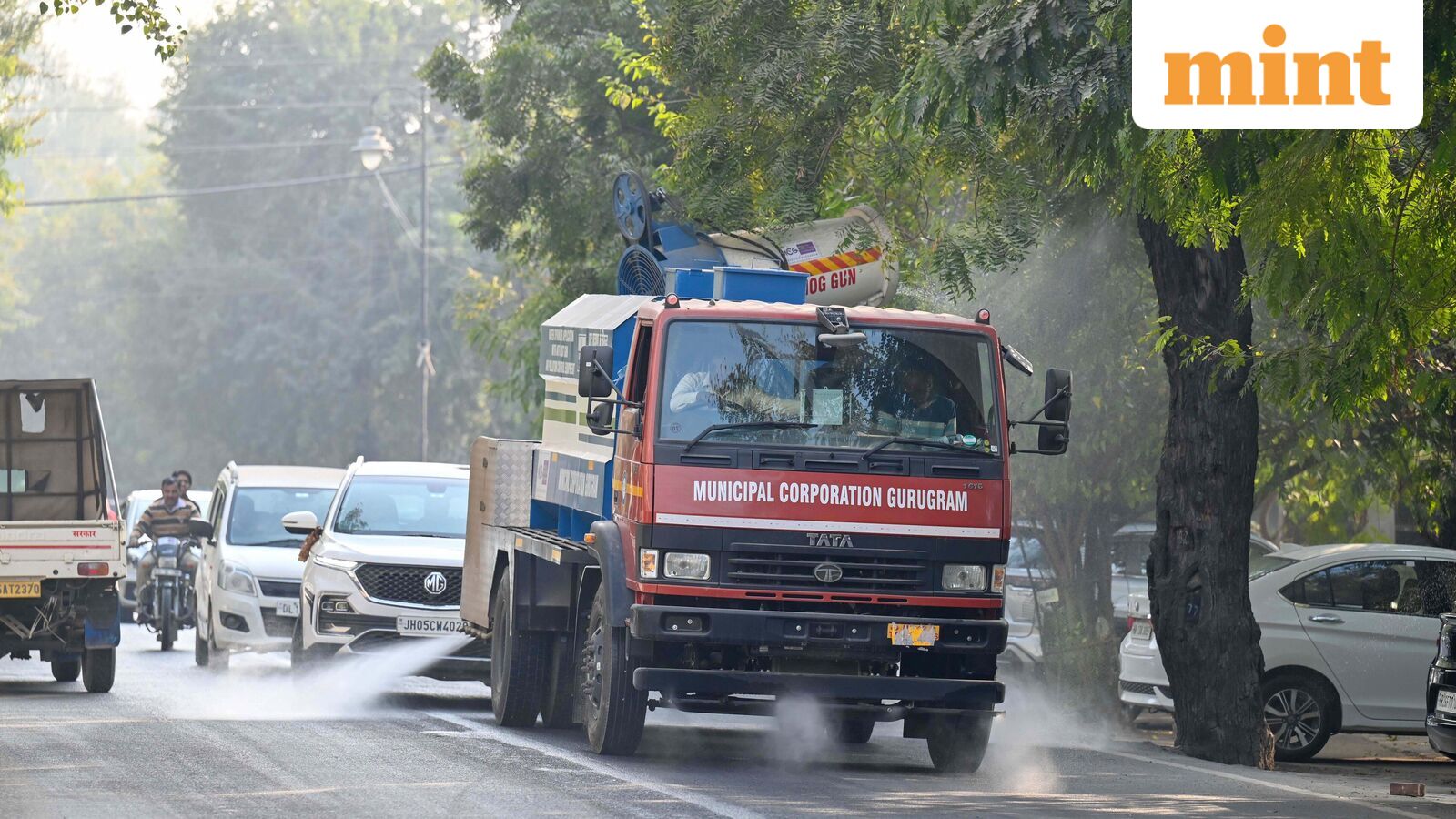
The Commission for Air Quality Management (CAQM) has officially revoked Stage-I restrictions under the Graded Response Action Plan (GRAP) for the Delhi-NCR region, effective immediately. This policy pivot follows a sharp improvement in air quality, with the Air Quality Index (AQI) dropping to 88 as of 4:00 PM on May 4. The transition to the 'satisfactory' category is attributed to recent rainfall and favorable meteorological conditions that have effectively dispersed pollutants.
While the immediate regulatory burden on industrial and construction activities has been lifted, the CAQM maintains a posture of active oversight. The commission has directed state governments and relevant agencies to continue the enforcement of baseline pollution control guidelines. This suggests that while the emergency-tier restrictions are gone, the regulatory environment remains sensitive to any reversal in atmospheric conditions. For market participants, the revocation signals a temporary easing of operational friction in the capital region, though the underlying mandate for industrial compliance remains robust.
Thermal Power Plant Compliance and Financial Penalties
The regulatory landscape for energy producers remains stringent despite the current improvement in air quality. On April 8, the CAQM imposed approximately ₹ 61.85 crore in Environmental Compensation (EC) on six coal-based Thermal Power Plants (TPPs) located within a 300 km radius of Delhi. These penalties were triggered by non-compliance with the Environment (Utilisation of Crop Residue by Thermal Power Plants) Rules, 2023. The rules mandate that coal-based TPPs incorporate a 5% blend of biomass pellets or briquettes, with a minimum threshold of 3% co-firing required for the 2024-25 fiscal year.
This enforcement action highlights a shift toward mandatory ex-situ crop residue management. By forcing TPPs to integrate biomass, the commission is attempting to curb the seasonal practice of paddy straw burning, which has historically been a primary driver of air quality degradation in the NCR. The financial impact of the ₹ 61.85 crore penalty serves as a clear signal that the CAQM is prioritizing statutory compliance over operational convenience for power generators.
Regulatory Oversight and Institutional Coordination
The monitoring mechanism for these TPPs involves a multi-agency committee, including the Central Electricity Authority (CEA), the Sustainable Agrarian Mission on use of Agri-Residue in Thermal Power Plants (SAMARTH), and the Central Pollution Control Board (CPCB). This institutional alignment indicates that the regulatory pressure on TPPs is not a transient event but a structured, long-term policy framework. The commission has utilized joint inspection visits and stakeholder consultations to ensure that the 2024-25 compliance targets are met.
For investors monitoring the broader real estate and infrastructure sectors, the interplay between environmental regulation and industrial output is critical. While the lifting of GRAP Stage-I provides a reprieve for construction activity, the persistent focus on biomass co-firing in power generation suggests that energy-intensive industries face rising operational costs. The following table outlines the current regulatory climate:
Assessing the Risk of Reversion
The CAQM has stated that it will continue to monitor air quality levels periodically. If meteorological conditions shift and AQI levels deteriorate, the commission retains the authority to reinstate GRAP restrictions. The current 'satisfactory to moderate' forecast provides a window of stability, but the risk of sudden regulatory tightening remains high for companies with heavy exposure to the Delhi-NCR industrial corridor.
Market participants should distinguish between the lifting of emergency GRAP measures and the ongoing, permanent enforcement of biomass mandates. The former is reactive to weather, while the latter is a structural shift in the energy sector's cost base. For further context on how regulatory shifts impact asset valuations, see our stock market analysis. While companies like WELL stock page and KIM stock page operate within the broader real estate sector, the specific impact of these air quality mandates is most acute for regional power and heavy industrial players. The current environment remains one of high vigilance, where compliance costs are increasingly tied to environmental performance metrics.