Commodities● Neutral
Delhi Metro's 24 Extra Trips Signal India Oil Demand Shift
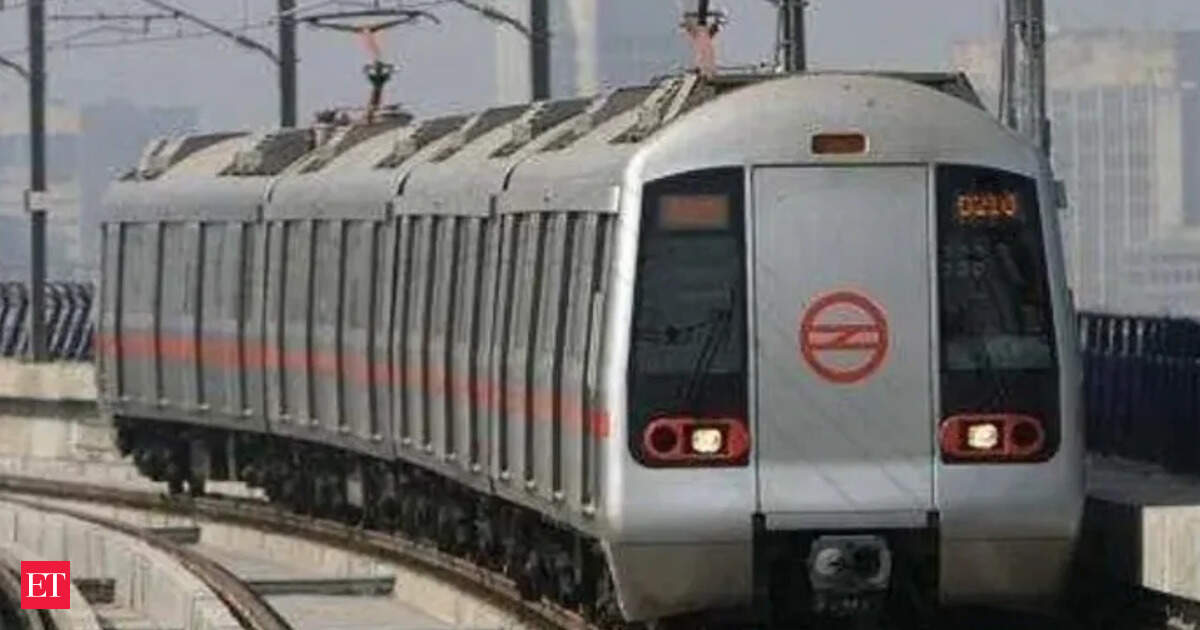
Delhi Metro adds 24 daily trips from May 18 to cut car use. For crude oil traders, the move is a small demand-side signal worth tracking against Indian gasoline consumption data.
Continue with
The Delhi Metro Rail Corporation will add 24 extra train trips daily starting May 18. The stated goal is to encourage commuters to shift from private vehicles to mass transit. For commodity markets, the move is a small demand-side signal worth tracking for Indian oil consumption patterns.
The simple read is straightforward: fewer cars on Delhi roads means less gasoline burned. Each trip shift reduces vehicle kilometers traveled, trimming gasoline consumption in the capital. India is the world's third-largest oil consumer. Delhi accounts for a disproportionate share of national gasoline demand. A sustained modal shift would shave basis points off the country's import requirement.
The better market read requires looking at mechanism and scale. The 24 extra trips are incremental capacity on existing lines, not a network expansion. The immediate impact on absolute oil demand is negligible. What matters is the policy signal. The DMRC move aligns with the government's broader push to electrify transport and reduce oil import dependency. If similar measures scale across other Indian cities, the cumulative effect on gasoline demand growth could become material.
Gasoline Demand Destruction in the Capital
Delhi's transport sector is heavily gasoline-heavy. Two-wheelers and cars dominate the modal split. Every percentage point shift to metro ridership directly reduces gasoline consumption. The DMRC's added trips target peak-hour congestion, when private vehicle use is highest. The timing May 18 precedes the summer travel season, when gasoline demand typically peaks. By offering more frequent service, the metro aims to capture discretionary car trips.
The readthrough to crude oil is indirect. Indian refiners process crude into gasoline, diesel, and other products. Lower gasoline demand would pressure refining margins in the domestic market. Refiners may need to export surplus gasoline, competing with Middle Eastern and Asian supplies. That dynamic could weigh on regional gasoline cracks.