Commodities● Neutral
India Fuel Hike ₹3/Litre Signals End of Brent Cushion
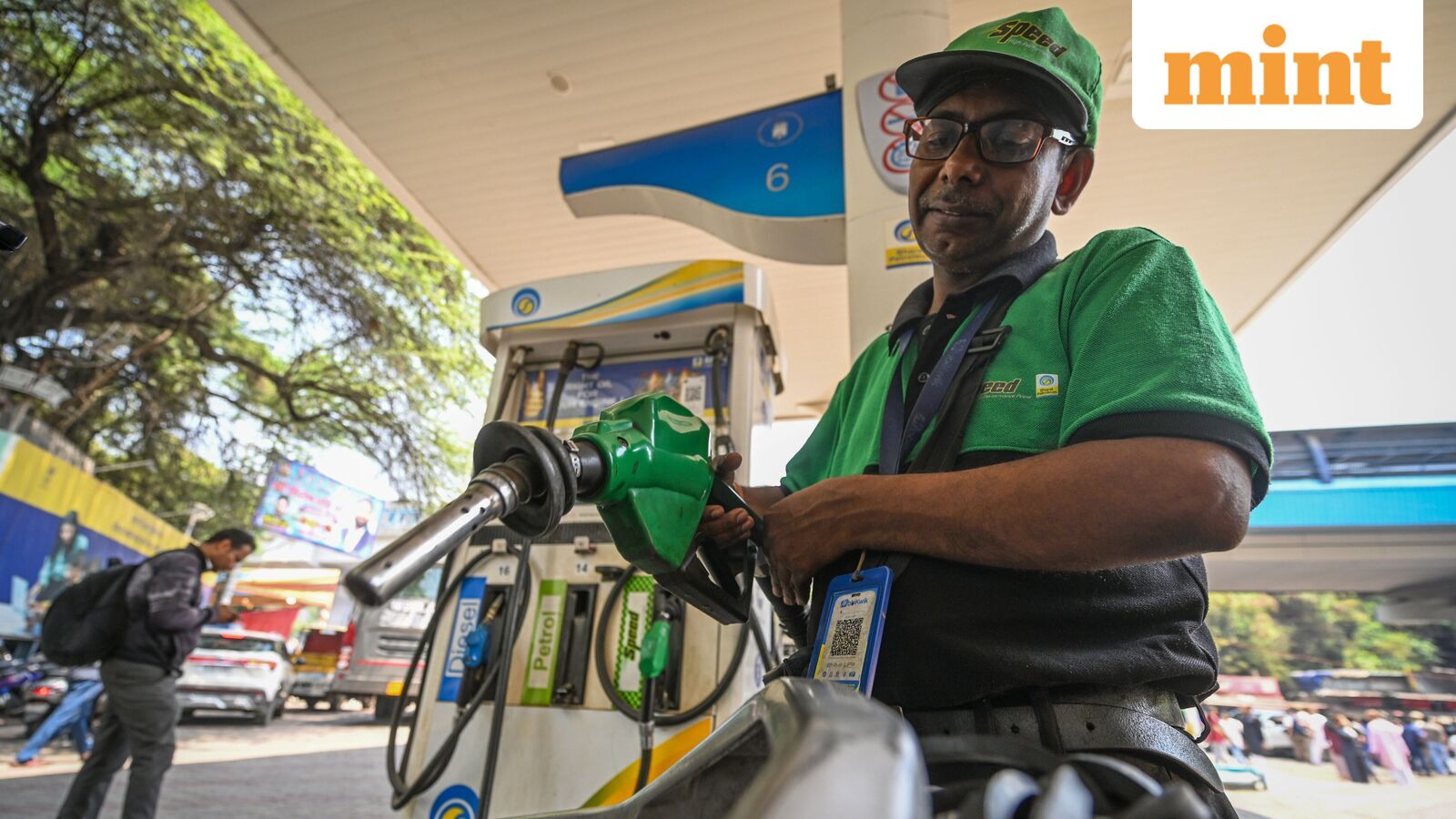
India's ₹3/litre petrol and diesel hike breaks a four-year cushion, reflecting Brent crude at $109 and Strait of Hormuz risk. Gold duty also rises to 15%.
Continue with
India's state-run oil marketing companies (OMCs) raised petrol and diesel prices by ₹3 per litre on 16 May, the first significant revision in four years. The hike took effect on 17 May, pushing petrol in New Delhi to ₹97.77 per litre and diesel to ₹90.67 per litre. The move breaks a period of government-buffered pricing that had shielded domestic consumers from the volatility of Brent crude, which has climbed more than 40% since the West Asia war began on 28 February.
The immediate trigger is the prolonged disruption of the Strait of Hormuz, a waterway that controls roughly one-fifth of global energy flows. The Indian government also raised the custom duty on gold to 15% from 6%, a parallel measure to preserve foreign reserves as energy costs inflate the import bill.
India's ₹3/Litre Fuel Hike: The Pass-Through Begins
Until 14 May, the government absorbed the difference between international crude prices and domestic retail rates. The latest revision is a partial pass-through. The government also imposed an export duty of ₹3 per litre on petrol, a measure designed to keep domestic supplies from being diverted to higher-priced international markets. The CNG price in Delhi and Mumbai was raised by ₹2 per kg on the same day.
Key insight: The export duty signals that the government expects the supply squeeze to persist. It is a tool to prioritise domestic consumption over export margins, which compresses the profitability of refiners who would otherwise capture the Brent-linked uplift.
The City-Wise Price Table
Note: Source provided only Delhi-specific rates. City-wise differences arise from state value-added tax variations.
Strait of Hormuz: The Supply Risk That Broke the Cushion
The Strait of Hormuz, located in the Gulf Strait, has been a chokepoint since the conflict escalated. Brent crude futures settled at $109.26 a barrel on 16 May, up 3.35% on the session after comments by US President Donald Trump and Iran's foreign minister further dented hopes of a ceasefire. Over the prior week, Brent jumped 7.84% and WTI rose 10.48%.
"An increasing number of vessels are filtering through the strait ... although currently this has a more tangible impact on sentiment than on the actual oil balance," Reuters quoted PVM analyst Tamas Varga as saying.
The gap between sentiment and physical barrels is the key tension. The market is pricing a risk premium that assumes continued disruption. Actual flows have not collapsed. That premium is now being passed through to Indian consumers.
The Mechanism: From Brent to Pump Price
The causal chain: Brent crude above $100 per barrel drove the government to abandon its price buffer. The ₹3 per litre hike and the ₹3 export duty are defensive actions. The export duty prevents refiners from selling petrol abroad at higher international prices, keeping domestic supply adequate. This compresses refinery margins for export-oriented units.
Risk to watch: If the Strait of Hormuz remains restricted, Brent could test $115-$120. The Indian government would then face pressure for additional hikes, which could curb domestic demand and weigh on economic growth.
Gold Duty Hike to 15%: A Parallel Reserve Defence
On the same day, the government raised the custom duty on gold to 15% from 6%. The stated rationale is to preserve foreign reserves and support the rupee's value. International gold prices declined to an over-one-week low on 16 May, pressured by higher energy prices that aggravated concerns of an inflation spike and longer-term higher interest rates.