Commodities● Neutral
ADB Economist: FTAs and Lower Tariffs Key to India FDI Boost
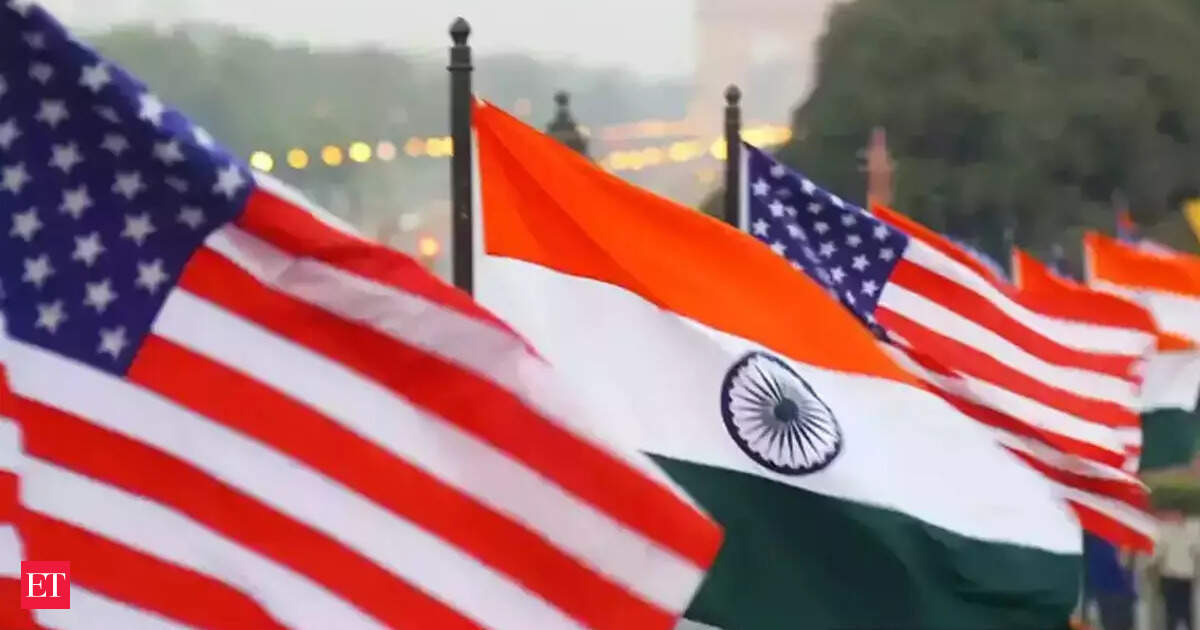
ADB's Albert Park says FTAs and lower duties can boost India's net FDI. Persistent oil prices remain a drag, making reform momentum critical.
Continue with
India's net foreign direct investment inflows need a structural boost. The prescription from ADB Chief Economist Albert Park is direct: pursue free trade agreements, cut import tariffs, and fix the ground-level conditions that capital follows. The assessment frames the gap as a policy and infrastructure problem, not a cyclical one.
FTAs and Tariff Cuts as FDI Levers
Park specifically pointed to free trade agreements and lower import tariffs as two levers that would make India more competitive for export-oriented manufacturing investment. The logic is straightforward. Multinational firms locating production in India need to import components. High tariffs on those inputs raise costs and erode the country's appeal versus regional rivals with deeper trade integration, such as Vietnam or Thailand.
Manufacturing infrastructure and urban planning are the second layer. Park stressed that capital flows to places where logistics, power, and labour mobility work reliably. Without coordinated investment in industrial corridors and city-level planning, even the best tariff policy will not translate into factory floors.
Persistent Oil Prices Weigh on India's Macro Picture
A separate but connected risk runs through the outlook. Higher oil prices are expected to persist, creating a direct drag on India's macro picture. India imports roughly 85% of its crude oil. Every sustained rise in Brent crude widens the trade deficit, pressures the rupee, and feeds into domestic inflation. The ADB's view is that this oil price floor will continue to weigh on GDP growth and keep the Reserve Bank of India in a cautious posture on rates.
For a country trying to attract long-term capital, the combination of sticky oil costs and a wide current account deficit is a headwind that trade policy alone cannot fully offset. Lower tariffs help on the margin by reducing input costs for exporters. The oil bill, however, is a structural outflow that will not shrink quickly.