Commodities● Neutral
Delhi Cuts ATF VAT to 7% as West Asia War Drives Fuel Costs
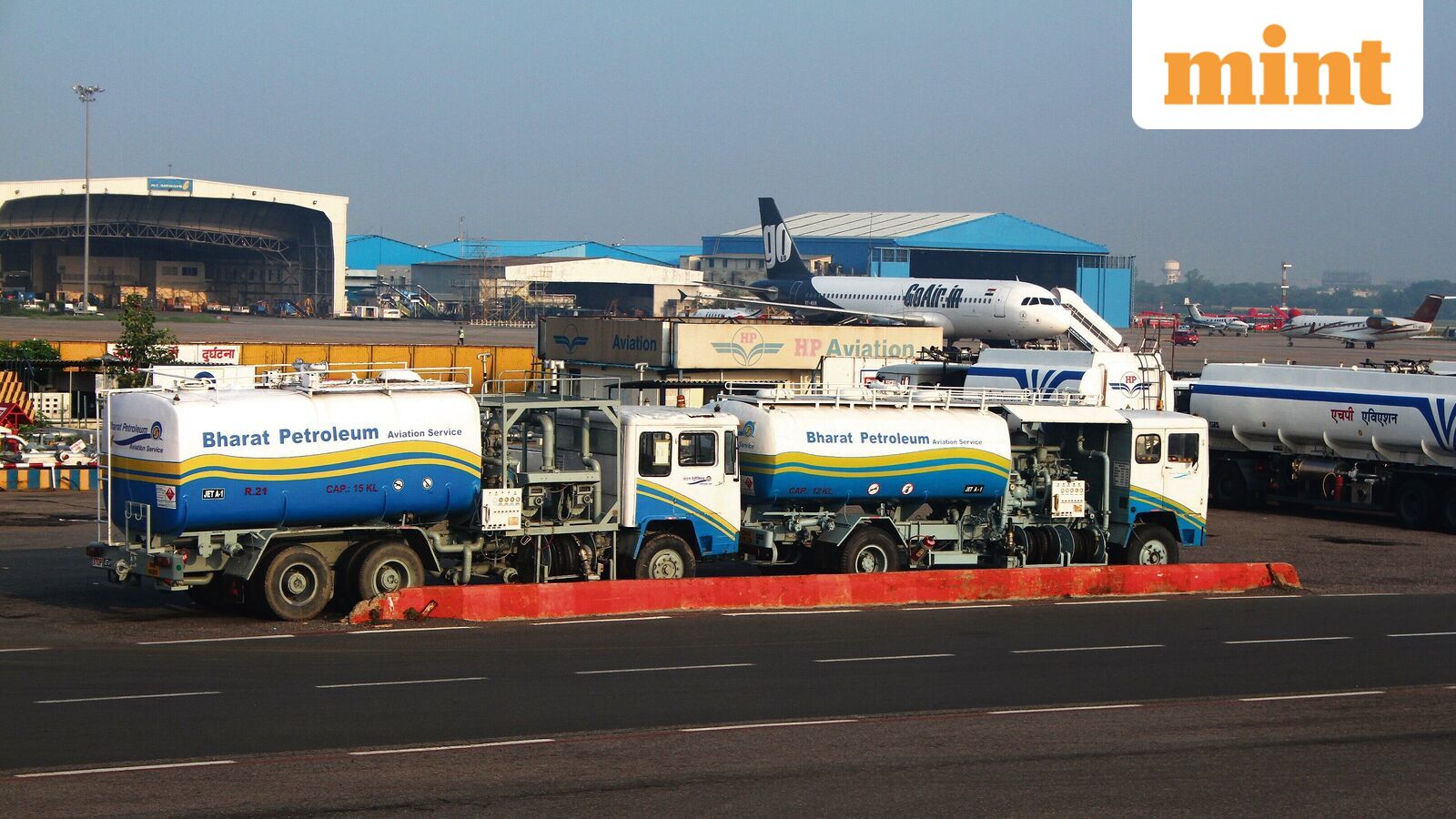
Delhi cuts ATF VAT from 25% to 7%, matching Maharashtra's move, as West Asia war drives fuel costs. Airlines benefit directly; MSMEs in Madhya Pradesh seek similar relief on natural gas.
Continue with
The Delhi government cut the value-added tax on Aviation Turbine Fuel (ATF) from 25% to 7%, following a similar reduction by Maharashtra. The decision, approved during a Cabinet meeting chaired by Chief Minister Rekha Gupta, takes effect May 15 and runs through November 14. The move comes as the ongoing war in West Asia destabilises global fuel markets, pushing up input costs for airlines.
"Delhi government has decided to reduce the value-added tax (VAT) on aviation turbine fuel (ATF) from the existing 25 per cent to 7 per cent, a move which is likely to benefit the airlines and common passengers," an official statement said, as quoted by PTI.
Maharashtra had already implemented a similar cut, reducing VAT from 18% to 7% for six months starting May 15. The state's Finance Department notified the change under the Maharashtra Value Added Tax Act, 2002, substituting the existing 18% tax rate with 7% in Entry 6 of Schedule B. Officials said the VAT cut is expected to reduce aviation fuel costs for airlines, enhance air connectivity, and boost the competitiveness of airports in the state.
The West Asia War Mechanism
The VAT cuts are a direct response to rising global fuel prices driven by the West Asia conflict. The war has disrupted supply routes, increased insurance premiums for tankers, and pushed crude oil prices higher. ATF, which is derived from crude, has seen its price rise in tandem, squeezing airline margins.
Why ATF Costs Matter More Than Crude
ATF is the single largest operating cost for airlines, typically accounting for 30% to 40% of total expenses. Unlike crude oil, which is a global benchmark, ATF prices vary by region due to local taxes, refining capacity, and distribution costs. State-level VAT adds a significant layer of cost variation across India.
- Delhi's old rate of 25% was among the highest in the country, making the capital's airport less competitive for airlines.
- Maharashtra's old rate of 18% was also above the national average for major hubs.
- The new 7% rate aligns both states with lower-tax jurisdictions like Gujarat and Telangana.
The Six-Month Window
Both cuts are temporary, expiring November 14 unless extended. This creates a defined period for airlines to adjust pricing and route planning. The six-month window also covers the peak travel season, including the summer holidays and the festive period, when air travel demand is highest.
Sector Read-Through: Airlines and Airport Operators
The VAT cuts directly benefit airlines operating out of Delhi and Maharashtra. Lower fuel costs improve operating margins, which have been under pressure from high crude prices and competitive fare pricing.
Confirmed Peers and Supply-Chain Links
- InterGlobe Aviation (IndiGo) has the largest market share in India and operates heavily out of Delhi and Mumbai. The VAT cut reduces its cost base directly.
- SpiceJet and Akasa Air also benefit, though their exposure to Delhi and Maharashtra varies.
- Air India and Vistara (now merged) operate significant hubs in both states.
The read-through is not uniform. Airlines with a higher proportion of flights from these states see a larger benefit. Carriers with more operations in states that have not cut VAT, such as Karnataka (still at 18% on ATF), see a relative disadvantage.
Airport Operators
- Delhi International Airport (GMR-led) and Mumbai International Airport (Adani-led) benefit indirectly. Lower operating costs for airlines could lead to increased flight frequency and passenger traffic, boosting aeronautical and non-aeronautical revenue.
- Competitiveness shift: Delhi and Mumbai airports become more attractive as hubs compared to airports in states with higher ATF VAT, such as Bengaluru and Chennai.