Commodities● Neutral
Delhi Slashes Aviation Fuel VAT to 7% as West Asia Risk Rises
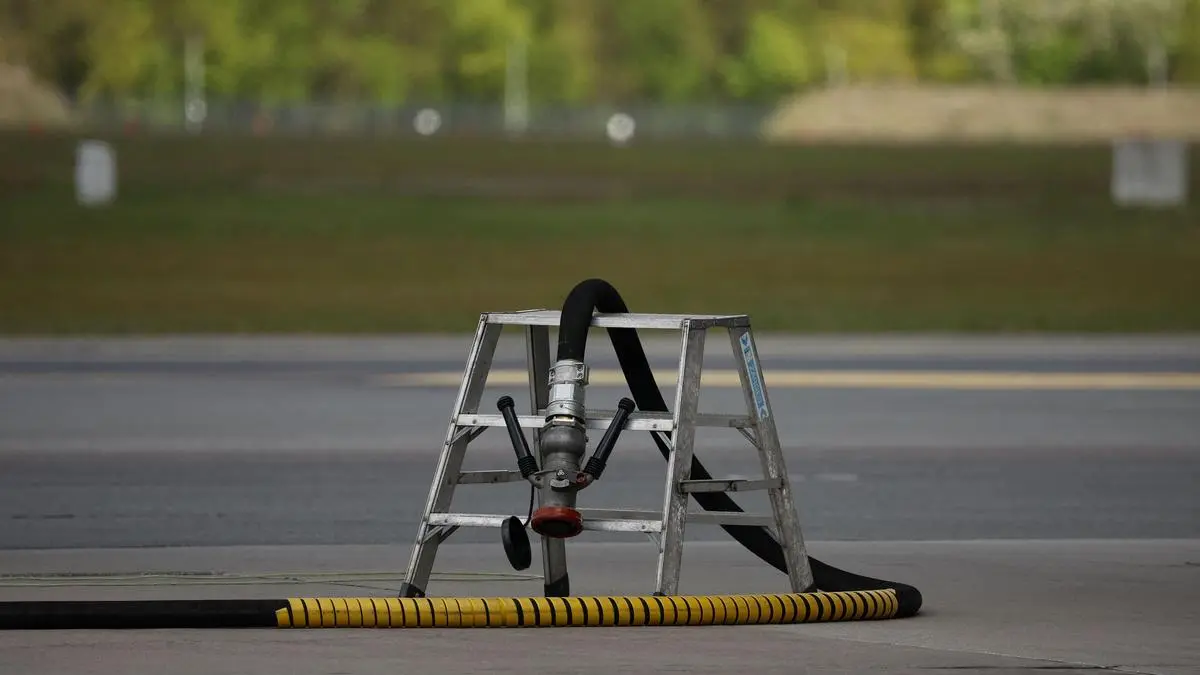
Delhi cuts ATF VAT from 25% to 7%, lowering airline costs by 18 points. The move responds to West Asia supply uncertainty and pressures other states to follow.
Continue with
The Delhi government cut the value-added tax (VAT) on aviation turbine fuel (ATF) from 25% to 7% on Saturday. The decision, taken in a cabinet meeting chaired by Chief Minister Rekha Gupta, lowers the tax by 18 percentage points on every litre sold at Delhi airports. An official statement linked the move directly to global fuel uncertainty arising from the ongoing conflict in West Asia.
Airlines refuelling in Delhi now face a significantly lower effective tax rate than the 25% levy that had been in place. The cut brings Delhi closer to states that already charge single-digit VAT on ATF. Maharashtra recently reduced its own rate, though exact figures were not detailed in the same announcement. The Delhi move creates pressure on other high-tax states to follow, especially those with major airports.
The 18-Point Delta in Airline Cost Structure
ATF accounts for roughly 30–40% of an Indian carrier’s operating cost. An 18-point reduction in state VAT directly lowers the per-litre expense for any flight that takes on fuel in Delhi. For carriers with a large Delhi base or frequent operations out of Indira Gandhi International Airport, the savings accumulate quickly.
Domestic airlines – full-service and low-cost alike – now have a cost advantage when operating from Delhi versus hubs in states that still levy 20% or higher VAT. The cut also improves the competitive position of Delhi as a refuelling stop for international flights. Over time, this could shift route economics for airlines that previously routed through higher-tax states to avoid the 25% levy.