Stocks● Neutral
Delhi Club Takeover Tests Property Rights Precedent
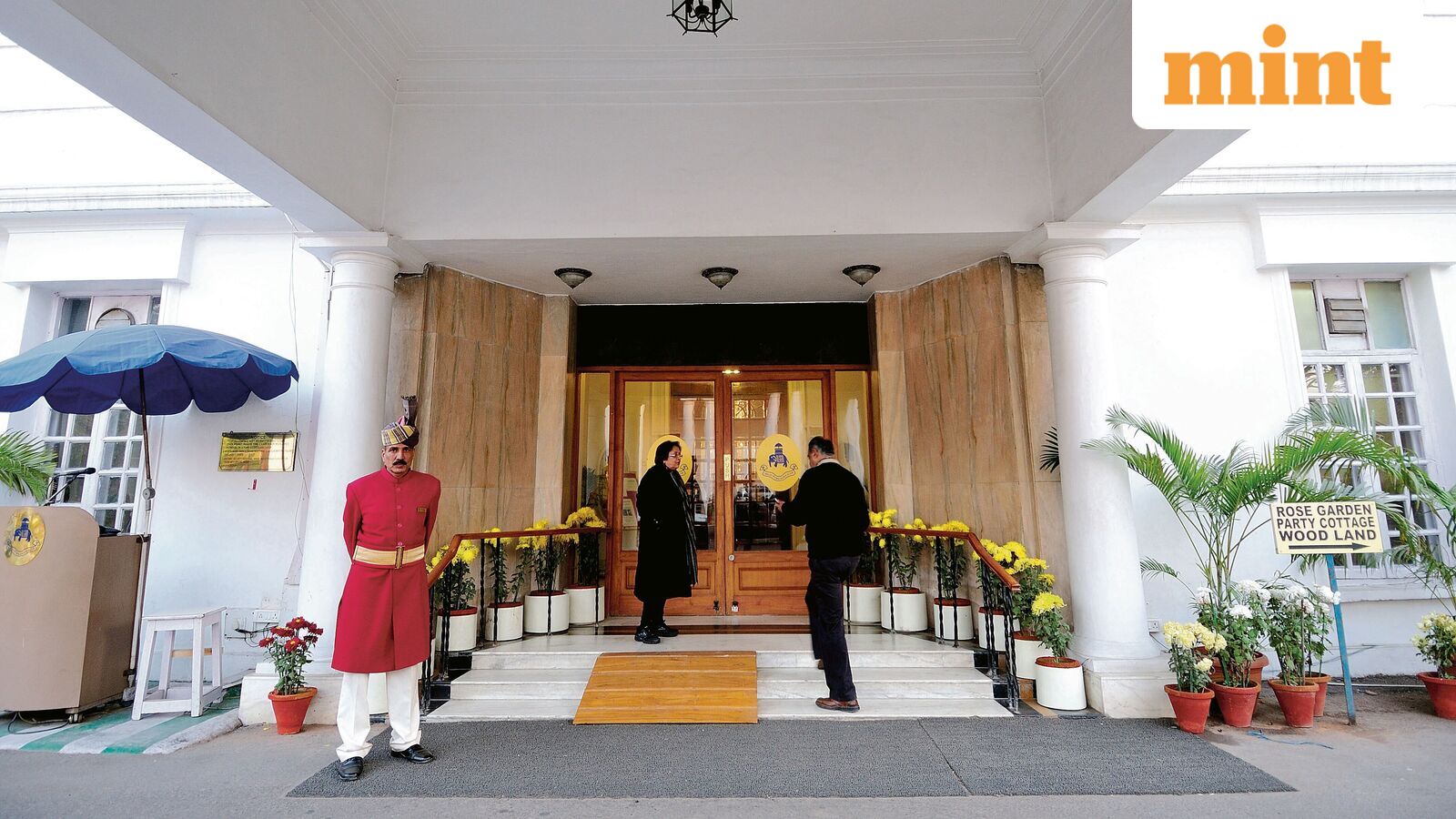
Members of Delhi Gymkhana Club are challenging a government lease termination for national security. The 27.3-acre property and member funds are at risk.
Continue with
The 23 May Order and Clause 4
The Delhi Gymkhana Club, a 113-year-old elite institution at Safdarjung Road, is preparing a legal challenge against a government order to take over the 27.3-acre premises. The Land & Development Office (L&DO) under the ministry of housing and urban affairs issued the order on 23 May, invoking Clause 4 of the lease deed. This clause allows the lessor – the President of India – to re-enter the land for public purpose. The order directs the club to hand over possession by 5 June 2026.
The stated grounds are national security, defence infrastructure and public-interest projects. The order states that the land, buildings and structures will vest in the President of India. No compensation to the club or its members is mentioned.
Members described the move as abrupt and impractical. “This has come as a shock to all of us, both in terms of implementation and practicality,” said Brigadier Harinder Pal Singh Bedi, a member since 2006. “The government already has a hold over the club, and the present directors are government-nominated. To close a club of this legacy within 20-25 days does not seem practical at all.”
Another member, Major Atul Dev, an 86-year-old retired Army officer, said he intends to challenge the order in court. He claimed no prior warning was given before the notice was issued. Dev pointed out that the government has exercised administrative control over the club through nominated directors over the last few years, making the takeover surprising.
Government Control Since 2020
The latest order follows a long legal battle. The ministry of corporate affairs intervened in 2020 over governance and election issues. Proceedings before the National Company Law Tribunal (NCLT) in 2021 and later the National Company Law Appellate Tribunal (NCLAT) led to government-appointed administration and nominated directors. The Centre has controlled the club for nearly four years, while the matter remains pending before the Supreme Court. The new order bypasses that process entirely.
Member Exposure: Funds and the 27.3-Acre Property
The risk extends beyond daily operations. Bedi noted the club holds member funds, investments and a corpus built over decades. Employees, vendors and their families are tied to the institution. For many senior citizens and veterans, the club is a second home and part of daily life.
The club has approximately 11,000 registered members, including politicians, lawyers, bureaucrats and retired armed forces personnel. Active membership is pegged at 1,200–1,400.
The Prime Real Estate at Stake
The 27.3 acres at Safdarjung Road sit in central Delhi, among the most valuable real estate in the capital. A takeover without compensation would set a precedent for property rights. The order vests the land and structures in the President without mentioning any payment to the club. Members face potential loss of both their physical access and the financial corpus they contributed to building.
Legal Precedent: NCLT History and Lease Terms
Lawyers said members may have grounds to challenge the order, particularly to seek interim relief. Courts are generally cautious in interfering with policy decisions. The specific lease terms and past dealings could create a path.
Alay Razvi, managing partner at Accord Juris, said: “Delhi Gymkhana is likely to first move the Delhi High Court seeking urgent interim protection. The club may challenge the order on grounds of arbitrariness, lack of due process and improper exercise of lease powers, while seeking relief against dispossession and re-entry.”