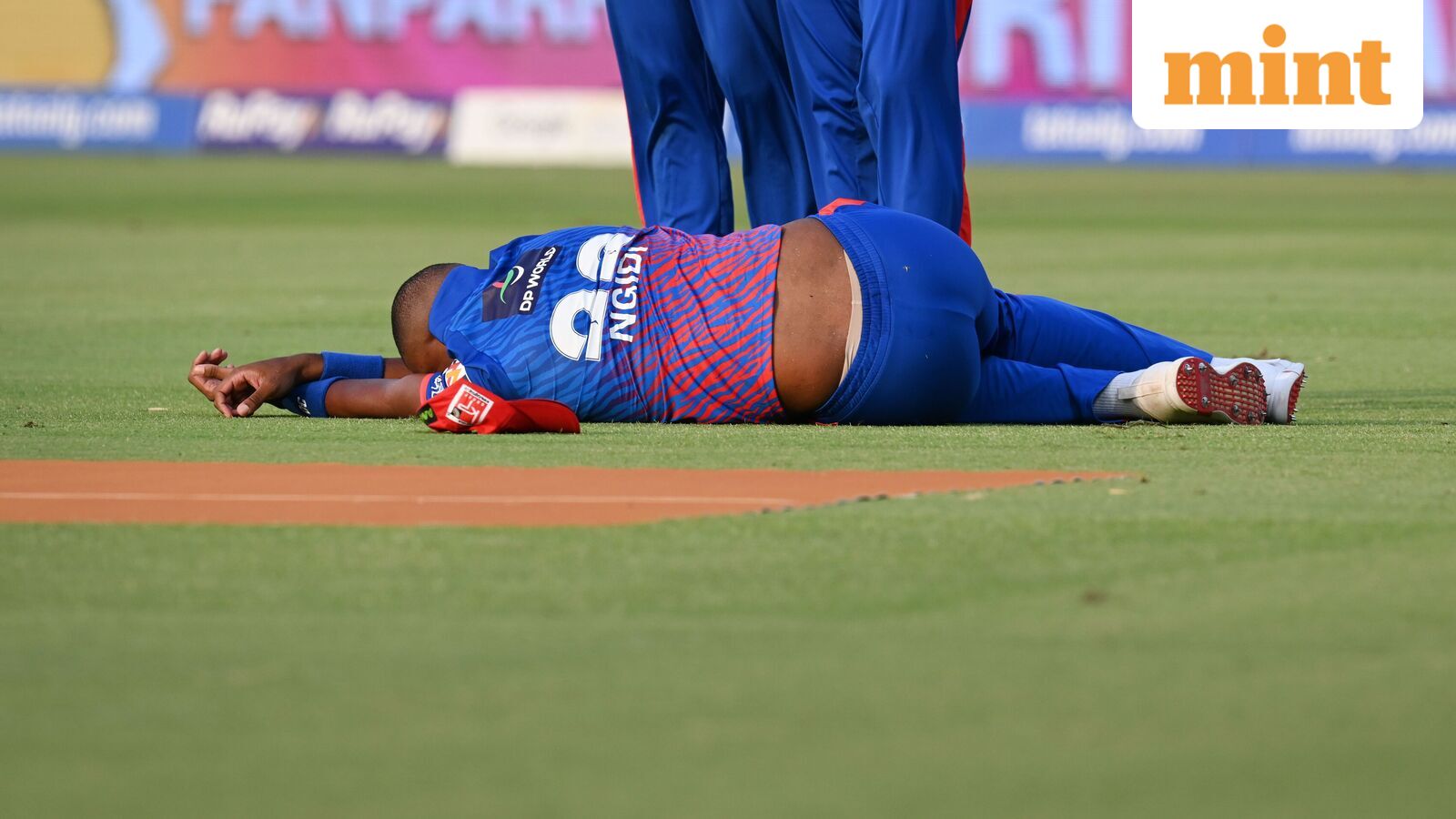
The Delhi Capitals organization confirmed that pacer Lungi Ngidi is stable and expected to be discharged following a head injury sustained during a match against the Punjab Kings at the Arun Jaitley Stadium. The incident occurred during a fielding attempt, forcing an immediate medical evaluation. While the immediate health crisis has been averted, the focus now shifts to the operational impact on the team roster and the availability of key personnel for upcoming fixtures.
Roster Continuity and Replacement Strategy
Professional sports franchises face significant volatility when core players are sidelined by acute injuries. The sudden absence of a primary pacer disrupts the tactical balance of the bowling unit and forces the coaching staff to reconfigure defensive rotations. Management must now assess the recovery timeline against the remaining schedule to determine if a temporary replacement is required. This process often involves navigating league-specific roster rules and salary cap constraints that dictate how quickly a team can integrate new talent.
Investors and stakeholders often view roster stability as a proxy for operational efficiency in sports franchises. When a key asset is removed from the field, the immediate concern is whether the team can maintain its competitive standing without incurring additional costs or losing momentum. The ability to absorb such shocks without a decline in performance is a critical metric for evaluating the resilience of the franchise model.
Sectoral Read-through for Sports Franchises
Sports organizations operate in a high-stakes environment where physical health is the primary driver of commercial success. Injuries to high-profile players create ripple effects that extend beyond the field. These events influence ticket sales, broadcasting engagement, and sponsorship valuations. When a player is sidelined, the franchise must manage the narrative to maintain fan engagement while simultaneously preparing for potential performance dips.
This incident highlights the inherent risks associated with human capital in the sports sector. Unlike traditional industrial firms, sports franchises are heavily reliant on a small group of individuals whose physical well-being is the primary engine of revenue. Any disruption to this engine requires immediate mitigation strategies to protect the long-term value of the brand. For those following broader stock market analysis, the management of these risks serves as a case study in how organizations handle unexpected volatility in their most vital assets.
AlphaScala data currently reflects a mixed outlook for various sectors, including Industrials and Technology. For instance, Bloom Energy Corp (BE stock page) holds an Alpha Score of 46/100, while ON Semiconductor Corporation (ON stock page) sits at 45/100. These scores illustrate the ongoing challenge of maintaining performance stability in sectors prone to rapid shifts in demand and operational conditions.
The next concrete marker for the Delhi Capitals will be the official medical clearance report and the subsequent team sheet announcement for the next match. These documents will clarify whether the team will proceed with its current roster or seek external support to fill the vacancy left by the injury. Monitoring these filings is essential for understanding the team's strategic response to this setback.