Stocks● Neutral
Delhi AQI 91: A Rare Clean-Air Catalyst for Local Stocks
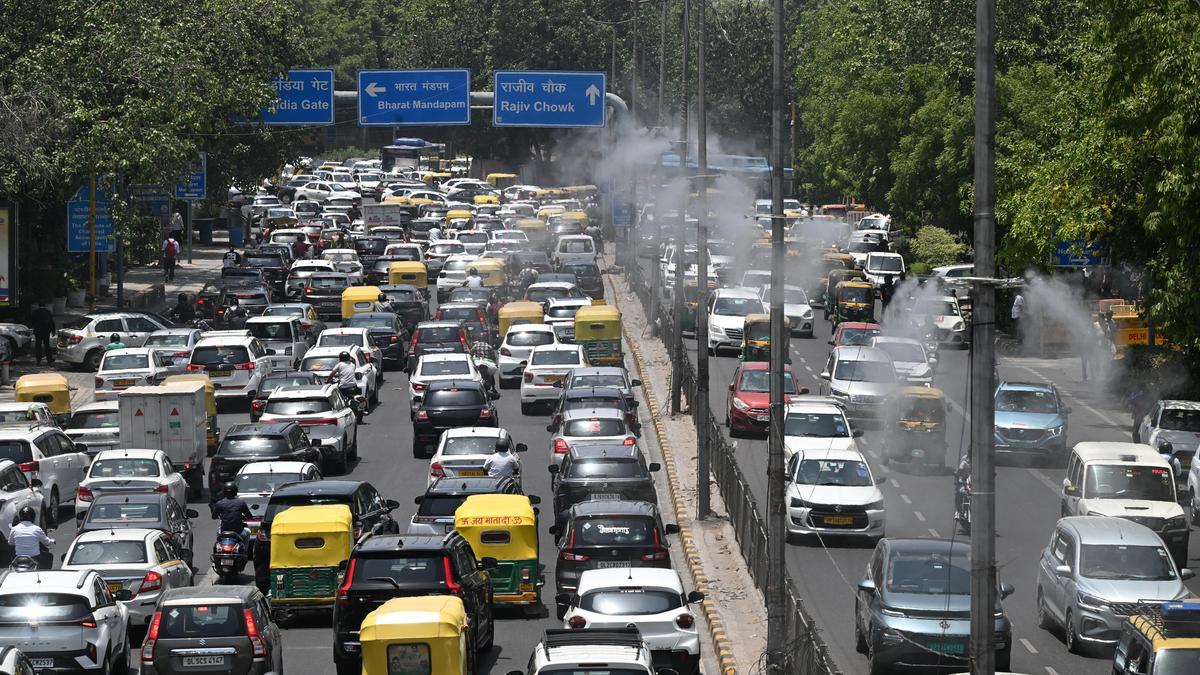
Delhi's AQI dropped to 91, classified as 'good', with light rain forecast. This rare clean-air day removes a friction for consumer spending in the capital. If the trend holds, Delhi-NCR stocks could see a short-term boost.
Continue with
Delhi recorded a minimum temperature of 23.3 degrees Celsius on Sunday, 3.6 notches below the seasonal average. The India Meteorological Department forecast light rainfall with thunderstorm, and the maximum temperature is expected to reach 37 degrees Celsius. The Central Pollution Control Board (CPCB) measured the Air Quality Index at 91, classified as 'good' at 9 am. An AQI between zero and 50 is 'good', and 51 to 100 is 'satisfactory'. This marks a rare clean-air day for the capital during the post-monsoon transition.
Delhi AQI 91 and the Consumer Spending Link
Good air quality and light rain change the short-term operating environment for businesses concentrated in the Delhi-NCR region. Outdoor foot traffic benefits when air is breathable and skies are not dusty. Retail outlets, restaurants, and entertainment venues in the city tend to see higher patronage during such windows. Real estate developers with inventory in the capital also gain – visibility and air quality are tied to property site visits and buyer sentiment. The improved weather removes a usual friction that depresses discretionary spending in October.
The economic mechanism is straightforward. Poor AQI readings (above 200) reduce outdoor activity and often trigger work-from-home advisories. An AQI of 91 removes that drag. Workers commute more freely, tourists are less deterred, and outdoor events proceed without disruption. The light rain forecast further cleans the air and reduces dust, extending the window of good air for the next 24 to 48 hours.