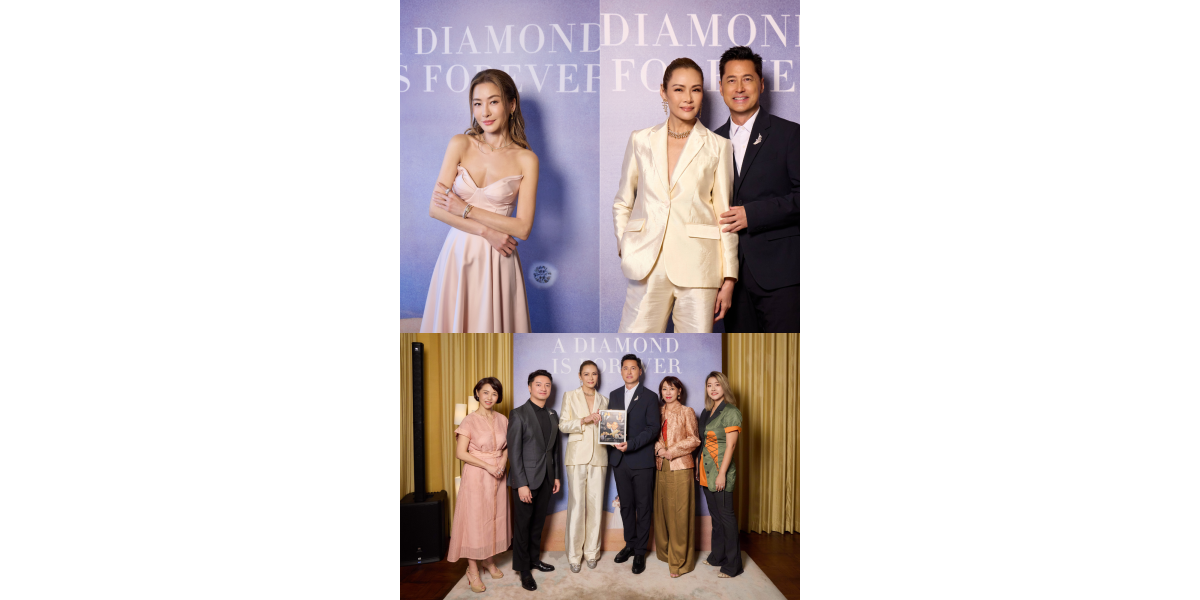
De Beers Group recently unveiled a 28.88-carat flawless diamond in Hong Kong, marking a strategic pivot toward emphasizing the cultural heritage and inherent value of natural stones. This event serves as a direct response to the increasing market saturation of lab-grown alternatives that have pressured pricing across the diamond sector. By focusing on the rarity and long-lasting value of natural diamonds, the company is attempting to re-establish a premium tier that distinguishes its product from mass-produced synthetic options.
Reclaiming the Natural Diamond Narrative
The decision to showcase a high-carat, flawless stone in a major financial hub like Hong Kong highlights a deliberate effort to capture the attention of high-net-worth buyers. This marketing strategy moves away from generic retail messaging and toward a narrative of rarity and investment-grade quality. For the broader luxury goods sector, this shift is significant. It suggests that established players are no longer attempting to compete on price with synthetic producers, but are instead doubling down on the prestige associated with natural extraction and historical provenance.
This branding adjustment is a response to a broader trend in luxury consumption where buyers are increasingly discerning between mass-market goods and rare assets. The focus on cultural values and longevity is designed to create a psychological moat around natural diamonds. If successful, this strategy could stabilize the price floor for high-end natural stones, even as the lower end of the market continues to see price erosion due to technological advancements in lab-grown production.
Sector Read-through and Valuation Pressures
The diamond industry remains in a state of flux as it navigates the dual pressures of changing consumer preferences and the rise of synthetic alternatives. While companies like Deere & Company (DE stock page) face their own industrial cyclicality, the luxury sector is currently grappling with a more existential question regarding product differentiation. Our current AlphaScala data for DE shows an Alpha Score of 35/100, labeling the stock as Weak within the Industrials sector. While the diamond trade operates on different mechanics than heavy machinery, both sectors are currently forced to justify their valuation through clear, differentiated value propositions in an era of high interest rates and shifting demand.
Investors should monitor the next round of luxury retail sales data and inventory turnover rates for high-end jewelers. The effectiveness of this cultural branding campaign will be measured by whether it can successfully decouple the pricing of natural diamonds from the falling price trajectory of lab-grown stones. If the premium for natural diamonds begins to widen, it would indicate that the market is successfully absorbing the narrative of scarcity. Conversely, if the price gap continues to narrow, it would suggest that the cultural appeal of natural diamonds is insufficient to overcome the cost-efficiency of synthetic alternatives. The next concrete marker will be the upcoming quarterly inventory reports from major luxury retailers, which will provide the first real-world data on whether this premium branding strategy is translating into actual sales volume.