Stocks● Neutral
Dalmia Bharat seals Rs 2,850 crore JAL cement deal
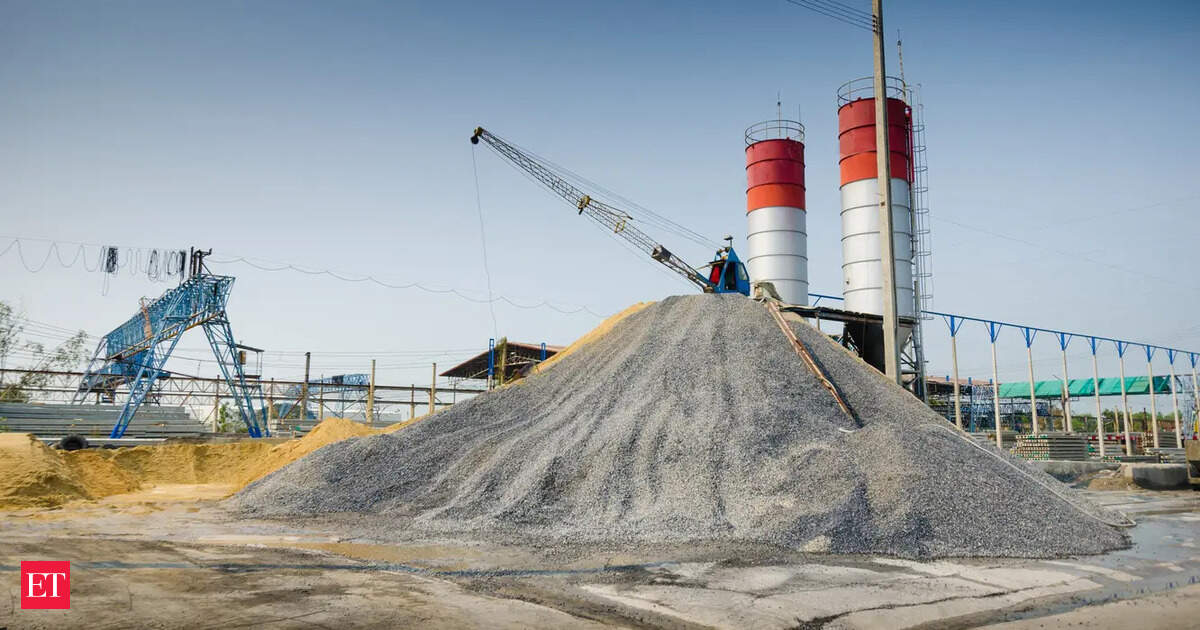
Dalmia Bharat acquires Jaiprakash Associates' cement assets for ₹2,850 crore, boosting capacity in central India. The Adani Group insolvency resolution paved the way.
Continue with
Dalmia Cement, a subsidiary of Dalmia Bharat, has acquired key cement assets from Jaiprakash Associates (JAL) for ₹2,850 crore. The deal was facilitated by the Adani Group's insolvency resolution process for JAL. The acquisition includes cement plants and power capacity, strengthening Dalmia's footprint in central India.
This is a catalyst that compresses Dalmia Bharat's expansion timeline. Instead of building greenfield capacity over three to four years, Dalmia gains operating assets immediately. The central India market, where Dalmia has been under-indexed relative to peers, becomes a larger profit center on day one.
The Deal: Dalmia Cement’s ₹2,850 Crore Acquisition
The transaction covers JAL's cement units located in Madhya Pradesh and Uttar Pradesh, regions that offer proximity to limestone reserves and growing infrastructure demand. The acquired assets also include captive power capacity, which lowers energy cost exposure in a sector where power accounts for roughly 25% of total production costs.
Adani Group had taken over JAL's insolvency process through its subsidiary Ambuja Cements. By buying these assets directly from the resolution process, Dalmia avoids the bidding war that typically marks distressed asset sales in India's cement sector. The price implies an enterprise value of about $95 per tonne of capacity, broadly in line with recent deals in the region.
Why This Acquisition Matters Now
India's cement industry is consolidating rapidly. The top five producers now control over 55% of national capacity. Dalmia Bharat, with roughly 35 million tonnes per annum (MTPA) before this deal, needs scale to compete against UltraTech Cement, Ambuja-ACC, and Shree Cement. Adding JAL's 12-14 MTPA of grinding and clinker capacity pushes Dalmia past the 45 MTPA threshold, closing the gap with the leaders.
Central India is the strategic prize. Infrastructure spending under the National Infrastructure Pipeline and PM Gati Shakti is concentrated in the Hindi-heartland states. Dalmia's earlier capacity base was tilted toward the east and south. The JAL assets rebalance its geographic mix toward the highest-growth region over the next five years.