Strategic Exploration at Goldridge
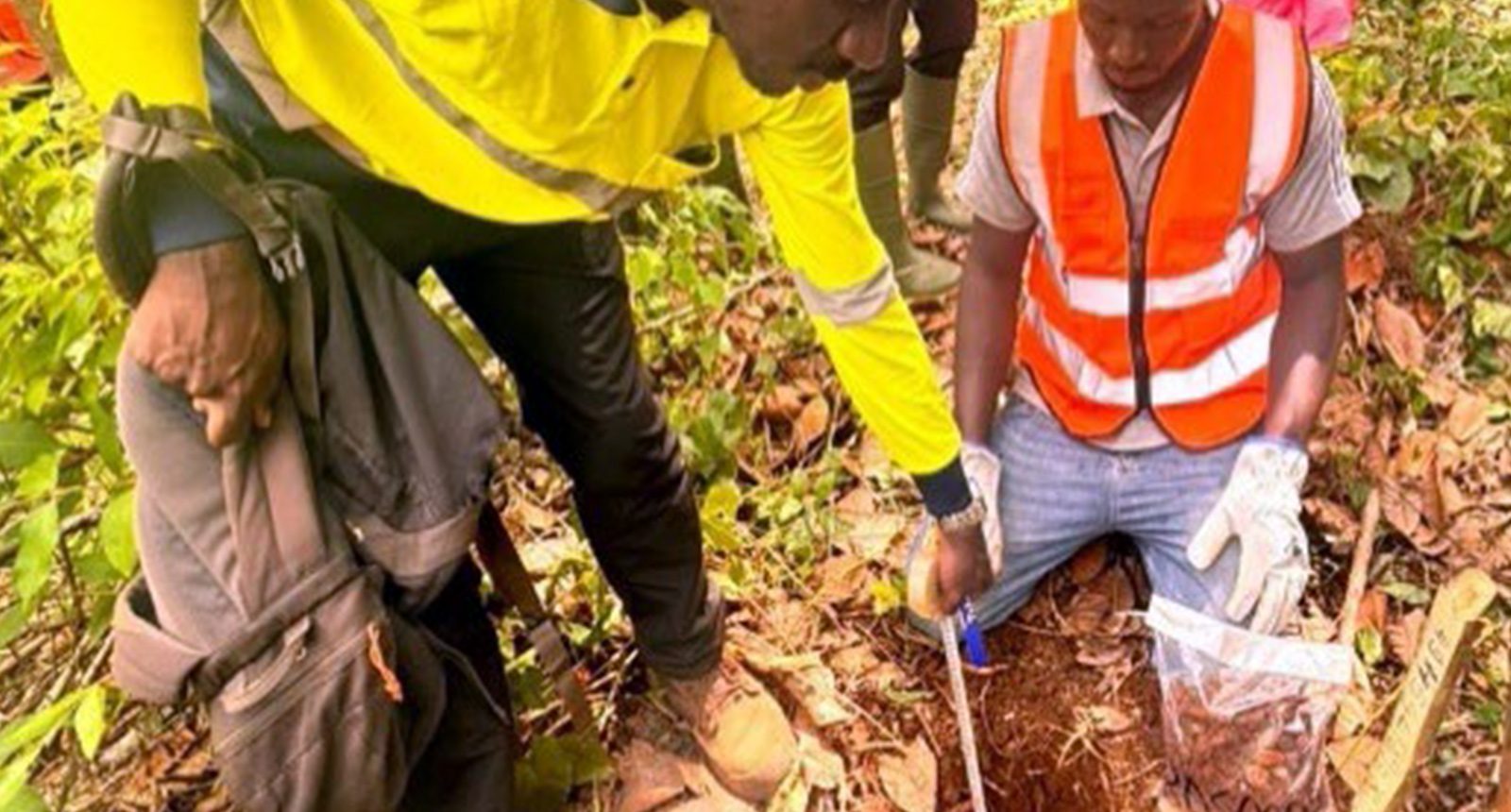
Dalaroo Metals has officially commenced a significant geochemical exploration program at its Goldridge project, targeting a nine-kilometre-long gold-bearing corridor. The company confirmed it is currently executing a 4,400-sample soil geochemistry program designed to provide high-resolution data across the entirety of this prospective structural trend. By systematically testing this expansive corridor, Dalaroo aims to define and prioritize 'key value' targets for potential future drill testing.
This initiative represents a critical step for the junior explorer as it seeks to move beyond preliminary surface assessments and establish a more rigorous geological understanding of the Goldridge tenement. The scale of the sampling program—covering nine kilometres of strike length—demonstrates a methodical approach to identifying mineralized signatures that may have been obscured by surface cover or identified only through broad-spaced historical reconnaissance.
The Technical Rationale
Soil geochemistry remains a cornerstone of early-stage exploration for gold-in-regolith deposits. By systematically collecting thousands of samples, Dalaroo is building a geochemical map that will allow geologists to isolate anomalous concentrations of gold and pathfinder elements. This data-driven approach is essential for narrowing down the most prospective zones within the nine-kilometre corridor, effectively de-risking the project before capital-intensive reverse circulation (RC) or diamond drilling begins.
For investors and market participants, the systematic nature of this program is a positive signal of diligent project management. Rather than pursuing speculative, sporadic drilling, the company is prioritizing the identification of high-confidence targets. This strategy is particularly relevant in the current junior mining climate, where capital efficiency and precise target generation are paramount to maintaining shareholder value.
Market Implications and Investor Focus
For traders and analysts monitoring the junior gold sector, the Goldridge corridor is now a key point of interest. The nine-kilometre strike length provides significant exploration upside; should the geochemical results reveal consistent, high-order anomalies, it could significantly upgrade the project’s valuation and potential for resource definition.
However, it is important for the market to maintain a balanced view. While a 4,400-sample campaign provides a robust dataset, it remains an early-stage exploration activity. The transition from geochemical anomaly to a defined, economic resource is a multi-stage process that requires successful follow-up drilling and metallurgical testing. Traders should watch for the release of these geochemical results, as they will serve as the primary catalyst for the next phase of the company's operational roadmap.
Forward-Looking Roadmap
Looking ahead, the market will be looking for the subsequent release of assay data from this 4,400-sample program. The identification of coherent, multi-element anomalies will be the primary metric for success. Should the results confirm that the nine-kilometre corridor is host to a persistent mineralizing system, the company is expected to outline a follow-up drill program.
As Dalaroo continues its work at Goldridge, investors should monitor the company’s announcements for updates on the geochemical analysis and the subsequent interpretation of these results. In a sector where project discovery is the primary driver of stock performance, the ability to successfully delineate targets at Goldridge will be a defining factor for Dalaroo’s trajectory in the coming quarters.