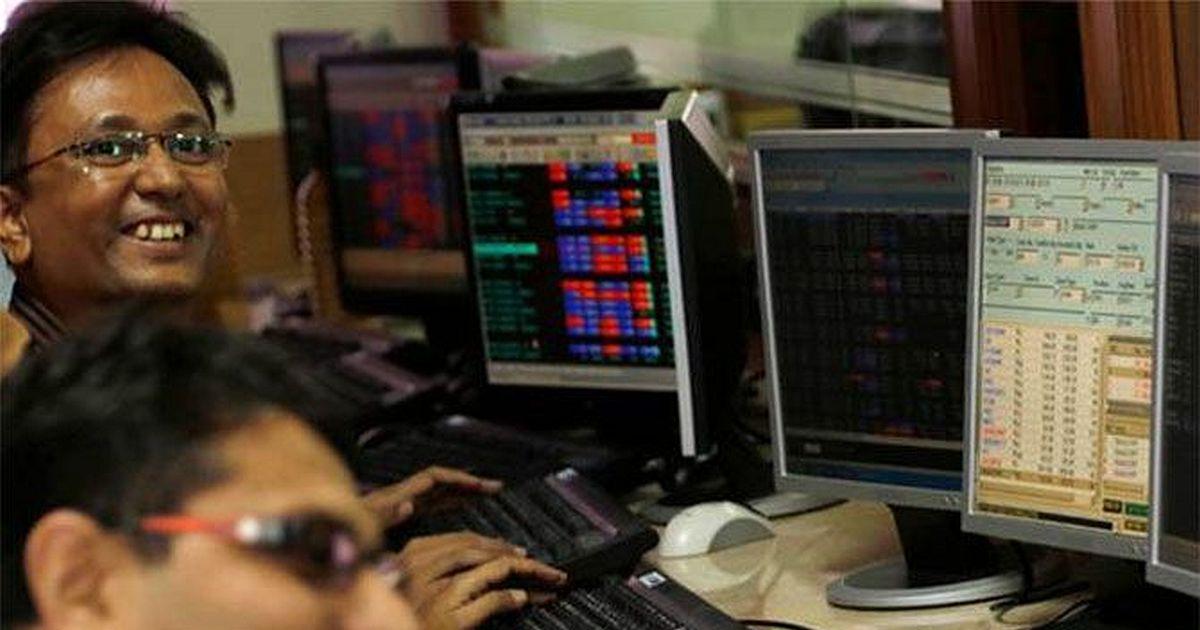
The Indian equity markets staged a sharp recovery on Wednesday, with the BSE Sensex climbing 940.73 points, or 1.22 percent, to close at 77,958.52. This rally, which saw the index touch an intraday high of 78,022.78, was primarily driven by a cooling in global energy prices. The catalyst for the shift in market sentiment was the announcement by US President Donald Trump regarding progress in negotiations with Iran, which led to an 8 percent decline in Brent crude prices to USD 101.1 per barrel.
The Mechanism of the Energy Relief Rally
For an import-heavy economy like India, the price of crude oil acts as a direct tax on the current account and corporate margins. When Brent crude tumbles, the immediate read-through is a reduction in inflationary pressure and an improvement in the fiscal outlook for sectors heavily dependent on energy inputs. The 8 percent drop in oil prices provided the necessary headroom for domestic indices to decouple from the recent trend of institutional selling, which saw Foreign Institutional Investors (FIIs) offload Rs 3,621.58 crore worth of equities on Tuesday.
Market participants should note that the rally was not uniform across all sectors. While the broader market sentiment turned bullish, the divergence between winners and laggards within the Sensex 30 highlights how specific business models are positioned to capture the benefits of lower input costs versus those facing structural headwinds. The relief in energy prices offers a tactical reprieve, but the sustainability of this move depends on whether the diplomatic progress mentioned by the US administration translates into a finalized agreement.
Sectoral Read-through and Performance Divergence
Within the Sensex, the winners included InterGlobe Aviation, Trent, Asian Paints, State Bank of India, and HDFC Bank. The inclusion of aviation and paint manufacturers in the list of top performers is a direct consequence of the lower crude oil price, as these companies face significant exposure to fuel and petrochemical-based raw materials. Conversely, Reliance Industries, Larsen & Toubro, Power Grid, and NTPC ended as laggards, suggesting that the market is rotating capital away from heavy industrial and energy-linked plays toward those that benefit from lower operating expenses.
Regarding the financial sector, HDFC Bank (HDB) remains a focal point for institutional investors. With an Alpha Score of 40/100, the stock currently carries a Mixed sentiment rating. While the broader market rally provides a tailwind, the underlying liquidity and credit growth metrics remain the primary drivers for HDB, independent of the short-term volatility in energy markets.
Diplomatic Catalysts and Operational Shifts
The market reaction follows the suspension of "Project Freedom," an initiative that had been launched on Monday to escort ships through the Strait of Hormuz. President Trump’s statement on Truth Social indicated that while the blockade of the region remains in effect, the military escort project is being paused to facilitate the potential finalization of a peace agreement. This shift follows the conclusion of "Operation Epic Fury," which US Secretary of State Marco Rubio confirmed had achieved its stated objectives as of February 28.
| Index | Point Change | Percentage Change | Closing Level |
|---|
| BSE Sensex | +940.73 | +1.22% | 77,958.52 |
| NSE Nifty | +298.15 | +1.24% | 24,330.95 |
Evaluating the Sustainability of the Move
Investors should distinguish between a relief rally driven by a single geopolitical headline and a fundamental shift in market direction. The 8 percent drop in Brent crude is a significant event, but it is predicated on the assumption that the current diplomatic window will lead to a signed agreement. If negotiations stall or if the blockade in the Strait of Hormuz persists without a resolution, the risk premium associated with energy imports will likely return to the market.
Furthermore, the recent FII selling activity suggests that institutional positioning remains cautious. While domestic buying helped absorb the supply on Wednesday, the persistence of foreign outflows is a variable that could cap the upside if the geopolitical situation fails to de-escalate further. For those tracking stock market analysis, the next concrete marker will be the stability of crude oil prices at the USD 100 level. A failure to hold these lower levels would likely signal that the market has priced in too much optimism regarding the Iran negotiations, potentially reversing the gains seen in energy-sensitive sectors.