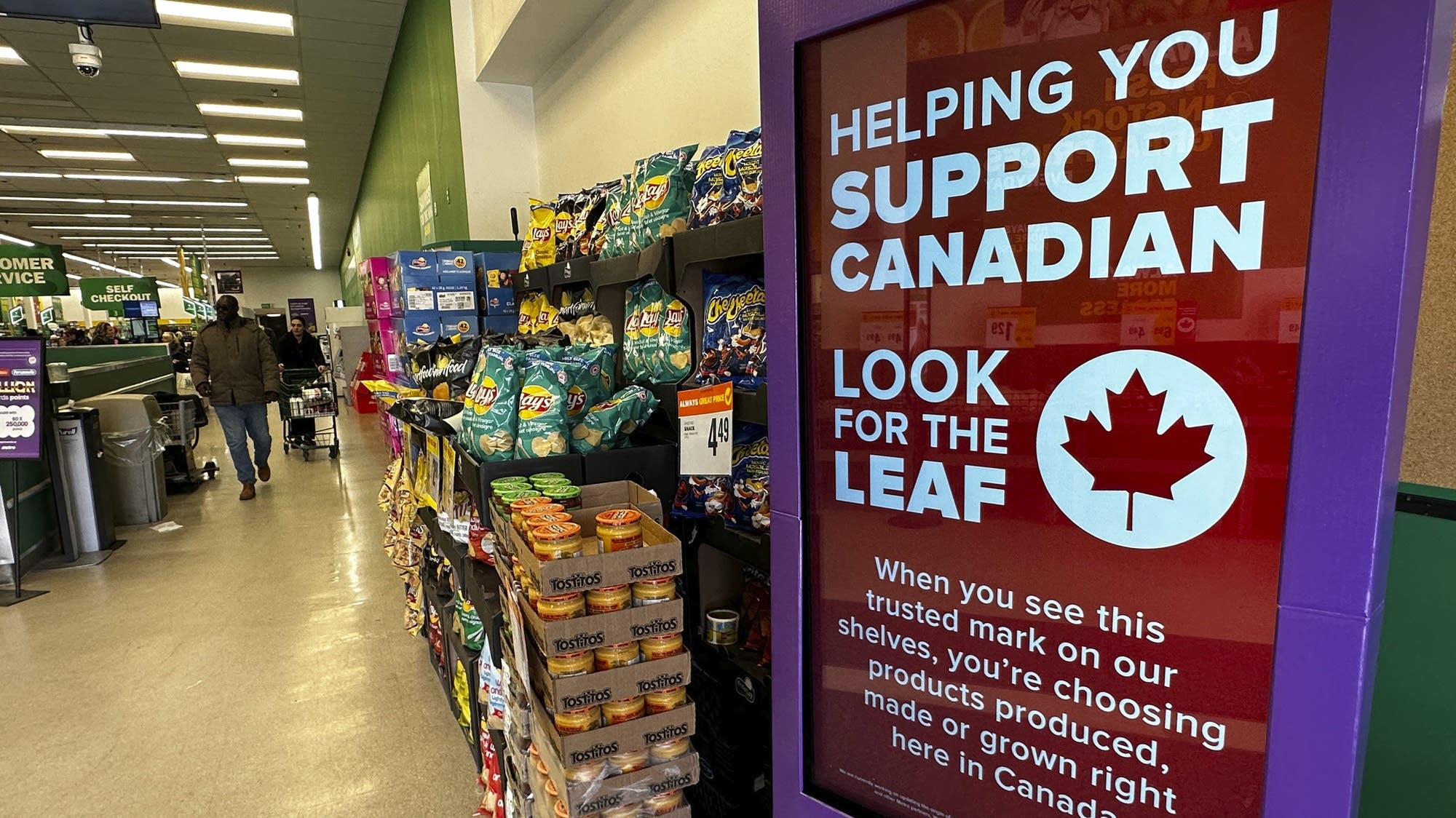
The imposition of tariffs between the United States and Canada has fundamentally altered the operational landscape for cross-border commerce over the past twelve months. What began as a shift in trade policy has evolved into a structural adjustment for supply chains that previously operated under the assumption of seamless integration. The primary narrative now centers on how industries have absorbed these costs and whether the resulting friction has permanently decoupled regional manufacturing dependencies.
Supply Chain Realignment and Operational Costs
For companies operating across the border, the primary challenge has been the transition from a just-in-time logistics model to one that accounts for persistent tariff-related delays and cost spikes. The manufacturing sector, which relies heavily on the movement of intermediate goods between the two nations, has faced the most significant pressure. Firms are currently evaluating whether to localize production to avoid border levies or to pass the increased costs directly to the end consumer. This decision process is creating a divergence in performance across firms, as those with high exposure to cross-border inputs struggle to maintain margins compared to domestic-only competitors.
Sectoral Read-Throughs and Market Positioning
Technology and industrial firms remain the most sensitive to these shifts in trade policy. Companies like ON Semiconductor Corporation, which currently holds an Alpha Score of 45/100, must navigate these geopolitical constraints while balancing global demand for hardware components. The broader technology sector, including players like Unity Software Inc. with an Alpha Score of 42/100 and ServiceNow Inc. at 53/100, faces a secondary impact as the cost of hardware and infrastructure services fluctuates alongside trade policy volatility. Investors are increasingly looking at stock market analysis to determine if these valuations adequately reflect the risk of prolonged trade barriers.
- Increased administrative burden for customs compliance.
- Shift toward regionalized supply chain sourcing.
- Pressure on profit margins for companies with high cross-border input reliance.
The Path Toward Policy Normalization
The next concrete marker for this narrative will be the upcoming review of trade agreements and any potential adjustments to the current tariff schedules. Market participants are monitoring whether the current administration will maintain the status quo or move toward a targeted reduction in levies to ease inflationary pressures. The resolution of these trade tensions remains a critical variable for firms with significant Canadian operations. Future filings will likely provide the first clear look at how much of the tariff burden has been absorbed by corporate balance sheets versus how much has been successfully offloaded to the market. Monitoring these disclosures will be essential for assessing the long-term viability of current cross-border business models.