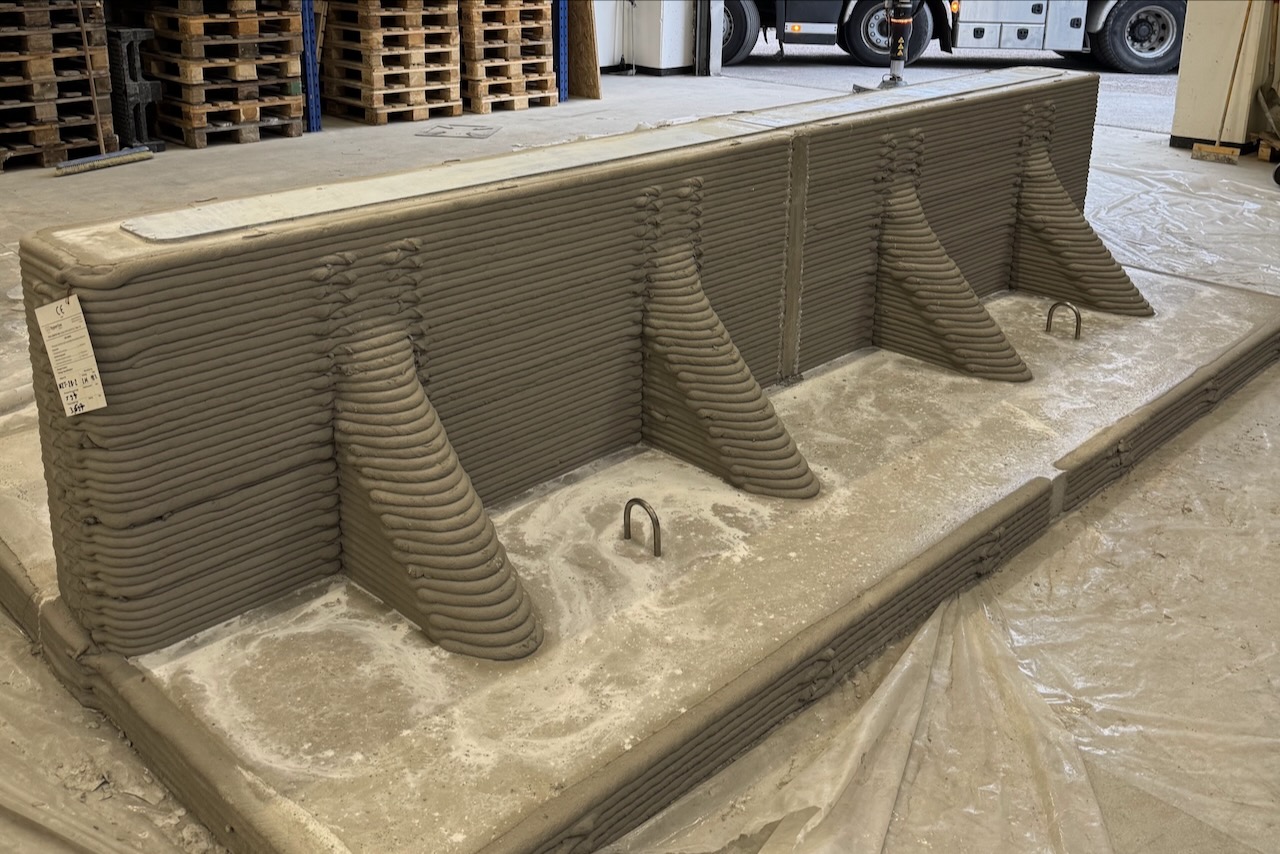
Costain has integrated low carbon 3D printed concrete sleepers into its infrastructure work for the East Coast Cluster carbon capture and storage project. These components, sourced from Hyperion Robotics, are designated for use as pipe support bases. The network is currently under development by the Northern Endurance Partnership and A E Yates to facilitate the transport of carbon dioxide.
Infrastructure Efficiency and Material Innovation
The shift toward 3D printed concrete represents a departure from traditional casting methods in heavy civil engineering. By utilizing additive manufacturing, Costain aims to reduce the carbon footprint associated with the materials required for large scale industrial networks. The application of these sleepers in a carbon capture project creates a direct link between sustainable construction techniques and the broader goal of lowering emissions in industrial transport.
This deployment serves as a practical test for the durability and logistical viability of 3D printed components in high pressure infrastructure environments. If these sleepers perform according to design specifications, the reliance on traditional precast concrete could decrease in future segments of the East Coast Cluster. The project requires high structural integrity for pipe supports, making the transition to new manufacturing methods a significant operational shift for the firms involved.
Sector Read-through for Industrial Construction
The adoption of 3D printing in this context provides a signal for the wider industrial construction sector. As firms face increasing pressure to meet net zero targets, the integration of low carbon materials is becoming a standard requirement for project bidding. Companies that successfully scale these technologies may gain a competitive advantage in securing government backed infrastructure contracts where sustainability metrics are heavily weighted.
AlphaScala data currently tracks various industrial and technology firms with mixed performance profiles. For instance, ON Semiconductor Corporation holds an Alpha Score of 45/100, reflecting the broader volatility in technology and industrial supply chains. While Costain operates in a different segment, the move toward automated, low carbon manufacturing mirrors the broader trend of industrial automation seen in sectors like retail and consumer goods, as discussed in our analysis of Retail Automation Faces Friction as M&S Chair Highlights Shrinkage Risks.
The Path to Scalability
The next phase for this technology involves proving that 3D printed concrete can maintain its structural properties over the long term under the specific weight and environmental conditions of the East Coast Cluster. Stakeholders will look for data regarding the speed of installation and the total cost of ownership compared to traditional concrete supports. The success of this project will likely determine whether 3D printing becomes a standard specification for future carbon capture and storage networks.
Monitoring the progress of the Northern Endurance Partnership will be essential. Any updates regarding the structural integrity of the pipe supports or the speed of the network rollout will serve as the primary indicator for the viability of this manufacturing approach. The industry will be watching to see if these printed components can withstand the operational demands of a permanent carbon transport system without requiring frequent maintenance or replacement.