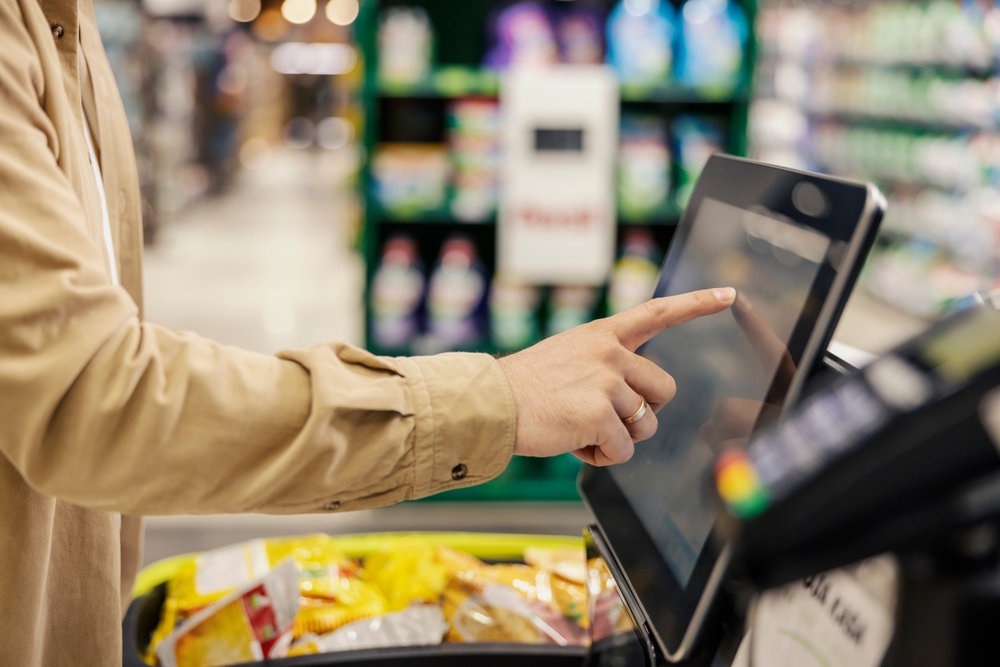
The narrative surrounding retail automation has shifted as Marks & Spencer chair Archie Norman identified self-checkout technology as a primary driver for increased inventory shrinkage. By weakening the human connection between staff and shoppers, these systems have created an environment where technical scanning errors or frustration can lead otherwise honest customers to bypass payment protocols. This critique from a major retail leader suggests that the efficiency gains promised by self-service kiosks are being eroded by the rising costs of loss prevention and inventory discrepancies.
The Human Link and Operational Shrinkage
The core of the issue lies in the removal of the social contract that traditionally governed the checkout process. Norman noted that when the human element is stripped from the transaction, the psychological barrier against theft diminishes. For retailers, this creates a paradox where the labor savings achieved through automation are offset by the financial impact of unrecorded losses. As retailers continue to balance stock market analysis with operational realities, the reliance on self-service models is facing renewed scrutiny regarding its impact on bottom-line profitability.
This trend is not isolated to a single geography or firm. The retail sector has spent years aggressively deploying self-checkout lanes to combat rising labor costs and improve throughput. However, the admission that these systems facilitate accidental or opportunistic theft forces a reevaluation of the total cost of ownership for these technologies. If the cost of shrinkage exceeds the savings from reduced staffing, the industry may see a pivot back toward hybrid models that prioritize human oversight.
Valuation and Technology Integration
Investors are now forced to weigh the long-term viability of automated retail against the immediate pressure of margin compression. While technology firms providing these scanning solutions continue to push for deeper integration, the retail sector must account for the hidden costs of implementation. Companies like MS, which holds an Alpha Score of 60/100, must navigate these operational headwinds while maintaining customer satisfaction levels that justify their premium positioning.
Retailers are likely to face a period of capital expenditure reallocation. Funds previously earmarked for expanding self-checkout footprints may need to be diverted toward enhanced surveillance, AI-driven loss prevention software, or the re-introduction of staff-assisted lanes. The next concrete marker for this narrative will be the upcoming quarterly earnings reports, where retailers will be expected to provide clarity on inventory shrinkage figures and any strategic shifts in their store-level technology deployment. Any deviation from current automation strategies will serve as a bellwether for the broader retail sector's approach to balancing efficiency with loss mitigation.