GPU Access Advantage and the Margin Compression Reality
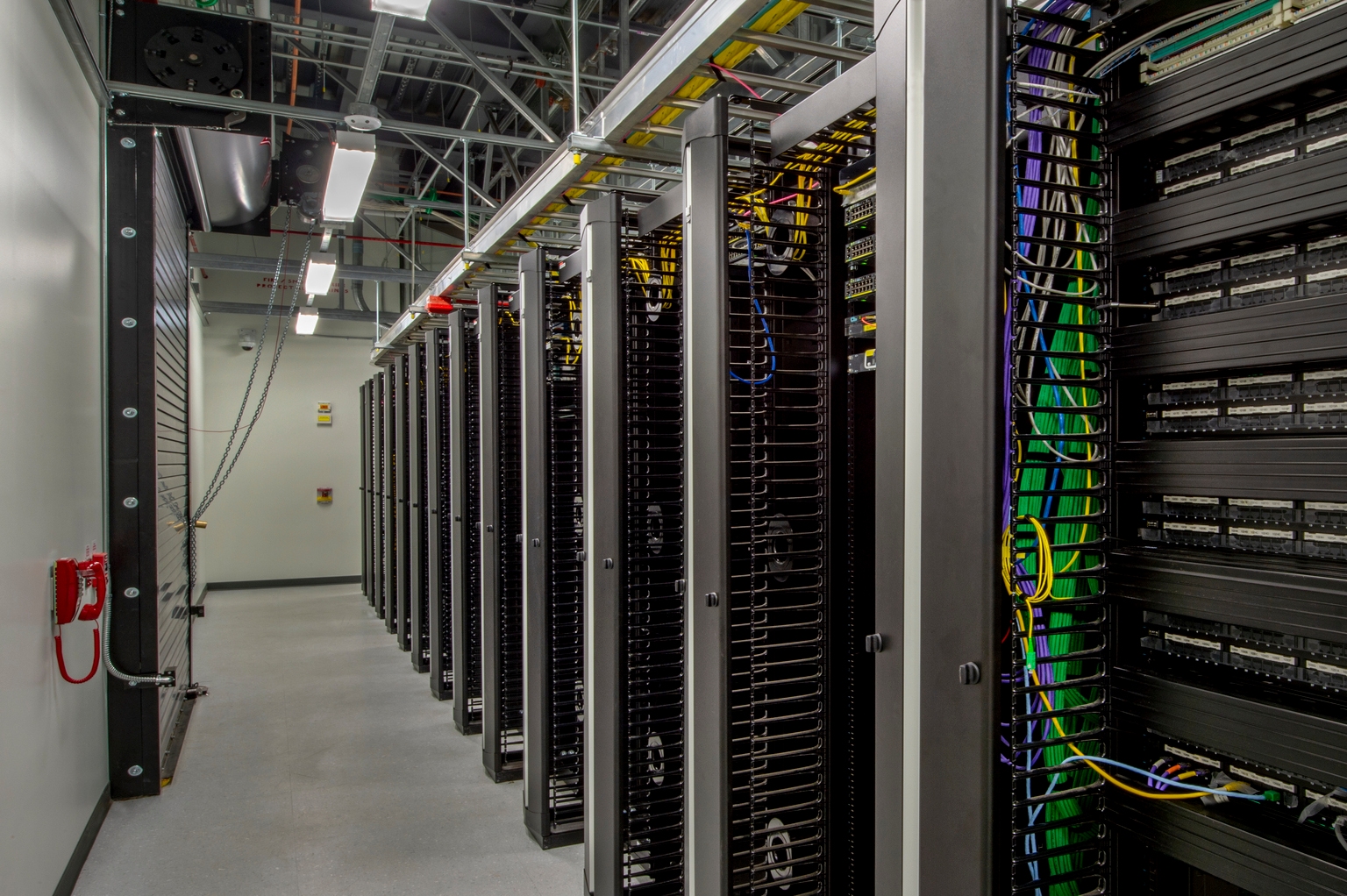
CoreWeave, Inc. built its initial market position by securing early, preferential access to high-end GPU hardware. This strategic placement between NVIDIA and the broader cloud ecosystem allowed the company to capture significant demand during the initial surge of generative AI infrastructure spending. The company functioned as a specialized provider for firms requiring immediate compute capacity that traditional hyperscalers could not yet supply at scale.
Recent shifts in the competitive landscape suggest that the scarcity premium once enjoyed by specialized GPU cloud providers is beginning to normalize. As major cloud providers expand their own internal capacity and optimize their hardware procurement, the unique value proposition of a third-party GPU specialist faces increased pressure. This transition forces a re-evaluation of the company's long-term margin profile, as the cost of capital and hardware procurement remains high while pricing power for raw compute cycles faces downward pressure from larger, more diversified competitors.
Sector Read-Through for Specialized Compute Providers
The broader technology sector is currently navigating a transition from pure infrastructure deployment to efficiency-focused capital allocation. Companies that rely heavily on the resale or specialized hosting of hardware are seeing their business models challenged by the maturation of the AI supply chain. Investors are increasingly prioritizing companies with diversified revenue streams and established software moats over those dependent on hardware-intensive, low-margin hosting services.
- Increased hardware availability reduces the barrier to entry for new compute providers.
- Hyperscalers are reclaiming market share by integrating GPU capacity directly into existing cloud platforms.
- Capital expenditure cycles are shifting toward software-defined infrastructure rather than raw GPU hosting.
AlphaScala data currently reflects this cooling sentiment, with CRWV holding an Alpha Score of 26/100, placing it in the Weak category. This contrasts with the broader NVDA ecosystem, which maintains an Alpha Score of 69/100 and a Moderate label despite recent price volatility. The divergence suggests that while the underlying hardware demand remains robust, the secondary market participants are experiencing a more pronounced valuation correction as the initial growth phase concludes.
Valuation and the Path to Sustainability
The path forward for specialized providers requires a pivot toward higher-value services. Relying on the arbitrage of GPU access is no longer a sufficient strategy for long-term growth in a market that is rapidly commoditizing raw compute. Future performance will depend on the ability to demonstrate sustainable unit economics that can withstand a high-interest-rate environment and the inevitable decline in hardware pricing power.
Market participants should monitor upcoming capital expenditure disclosures and infrastructure utilization rates for signs of margin stabilization. The next critical marker will be the ability of these specialized firms to secure long-term service contracts that move beyond simple compute leasing. As the sector matures, the focus will inevitably shift toward the integration of proprietary software layers that offer stickier revenue streams than hardware-dependent hosting models. For further insights on how these shifts impact broader market trends, see our market analysis.