Back to Markets
Macro● Neutral

RBI Governor Signals Data-Dependent Stance Amid Rising Geopolitical Risk

RBI Governor Signals Data-Dependent Stance Amid Rising Geopolitical Risk
AONASCOST

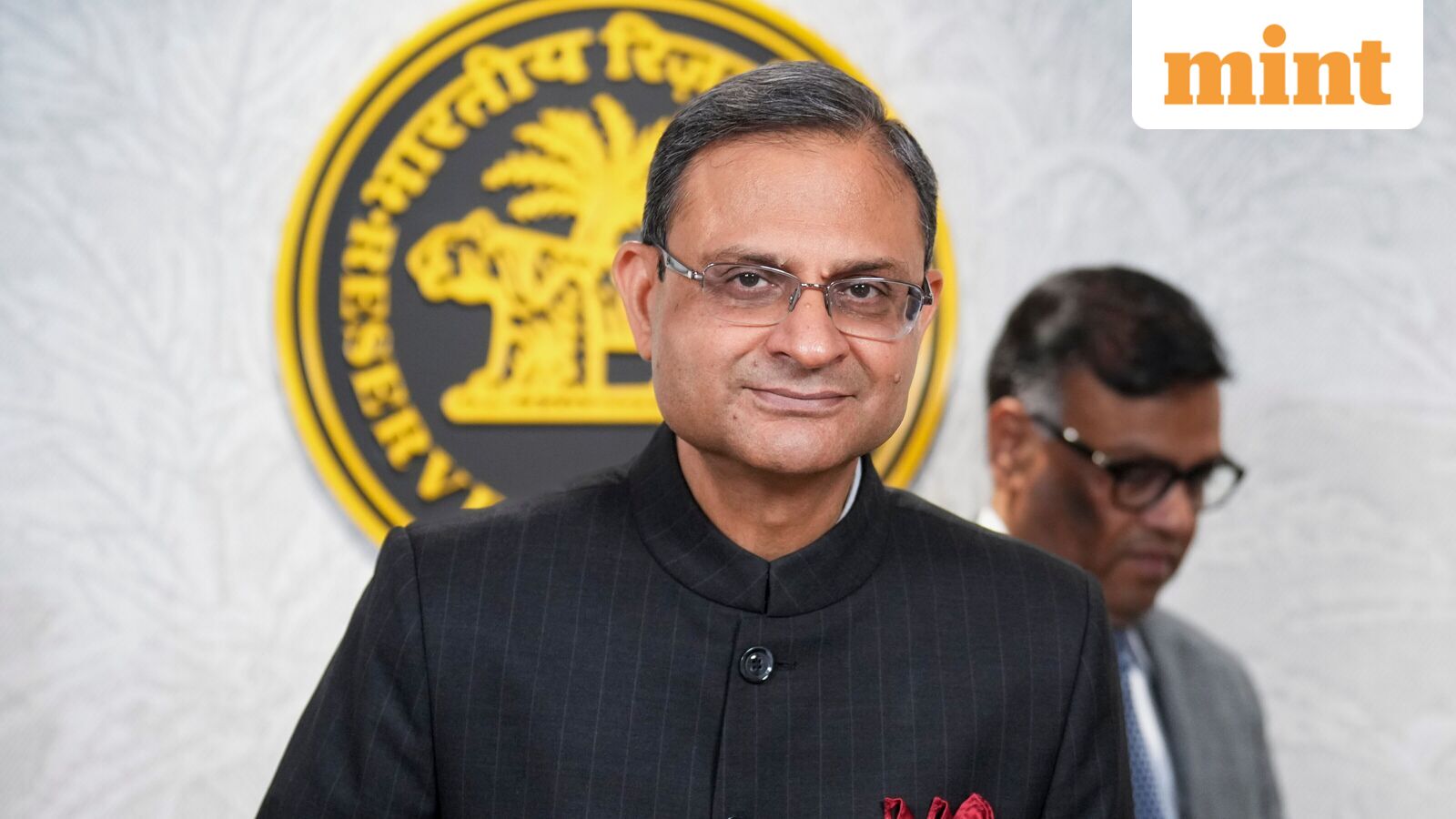
RBI Governor Sanjay Malhotra has signaled a cautious, data-dependent approach to monetary policy, citing risks from West Asia and the need to manage second-round inflation effects.

AlphaScala Research Snapshot
Live stock context for companies directly referenced in this story
Alpha Score
55
Moderate

Alpha Score of 55 reflects moderate overall profile with moderate momentum, moderate value, moderate quality. Based on 3 of 4 signals — score is capped at 90 until remaining data ingests.

Alpha Score
45
Weak

Alpha Score of 45 reflects weak overall profile with strong momentum, poor value, poor quality, weak sentiment.

Consumer Cyclical
Alpha Score
47
Weak

Alpha Score of 47 reflects weak overall profile with moderate momentum, poor value, moderate quality. Based on 3 of 4 signals — score is capped at 90 until remaining data ingests.

Consumer Staples
Alpha Score
57
Moderate

Alpha Score of 57 reflects moderate overall profile with moderate momentum, moderate value, moderate quality, moderate sentiment.

This panel uses AlphaScala-native stock data, separate from the source wire linked above.

Reserve Bank of India Governor Sanjay Malhotra has signaled a shift toward heightened caution, emphasizing a data-led monetary policy approach in response to mounting geopolitical instability in West Asia. The governor noted that the primary objective remains the containment of second-round inflation effects stemming from potential supply-side shocks. This posture suggests that the central bank is prioritizing price stability over immediate growth stimulus as external volatility threatens to disrupt domestic supply chains.

Transmission of Geopolitical Shocks to Domestic Inflation

The central bank's focus on second-round effects indicates a concern that energy price spikes or trade route disruptions in West Asia could embed higher inflation expectations into the Indian economy. By maintaining a robust monetary framework, the RBI aims to anchor these expectations despite the unpredictable nature of external commodity shocks. The transmission mechanism here is clear. If supply chain disruptions persist, the RBI is likely to maintain higher interest rates for a longer duration to prevent transitory price increases from becoming structural. This approach directly impacts the cost of capital for domestic firms, potentially cooling credit growth in sectors sensitive to interest rate fluctuations.

Impact on Currency and Bond Yields

Market participants are recalibrating their expectations for the rupee and sovereign bond yields in light of this cautious rhetoric. A data-dependent RBI often results in increased volatility for short-term debt instruments as traders adjust positions based on each incoming inflation print. The central bank's willingness to intervene to manage currency volatility remains a critical component of its strategy to mitigate imported inflation. As geopolitical tensions influence global risk sentiment, the RBI's stance serves as a buffer, aiming to prevent excessive capital outflows that could further weaken the rupee and exacerbate inflationary pressures.

AlphaScala data currently reflects a mixed outlook across several sectors, with AS stock page holding an Alpha Score of 47/100, ON stock page at 45/100, and A stock page at 55/100. These scores highlight the broader environment of uncertainty that investors must navigate as central banks globally grapple with similar market analysis challenges.

Policy Path and Future Decision Points

The next concrete marker for the RBI will be the upcoming inflation data releases and their subsequent impact on the central bank's liquidity management operations. If the data shows persistent core inflation, the governor's emphasis on second-round effects suggests that the RBI will likely maintain its current restrictive stance. Conversely, any cooling in global commodity prices would provide the central bank with the necessary flexibility to adjust its policy trajectory. The focus remains on the interplay between fiscal policy and monetary discipline as the government balances growth objectives with the need to maintain macroeconomic stability in an increasingly volatile global environment.

How this story was producedLast reviewed Apr 20, 2026

AI-drafted from named sources and checked against AlphaScala publishing rules before release. Direct quotes must match source text, low-information tables are removed, and thinner or higher-risk stories can be held for manual review.

Editorial Policy·Report a correction·Risk Disclaimer