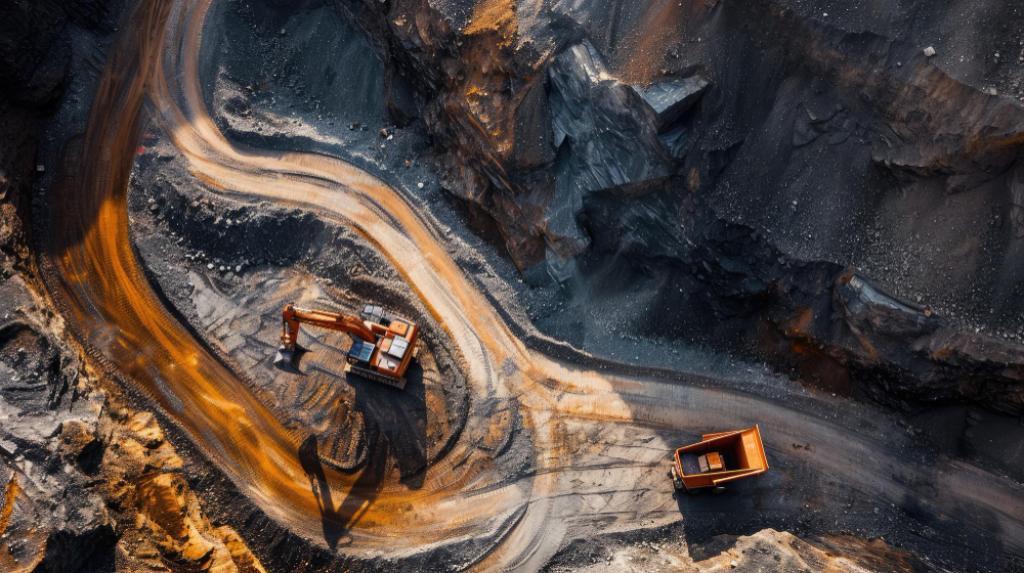
Freeport-McMoRan beat earnings estimates on copper prices, not on the volume of metal it dug out of the ground. The miner earned 74 cents a share, excluding one-time costs, against the 59 cents analysts expected. Net income hit $984 million, or 68 cents a share, up from 53 cents a year earlier.
Production fell 18.2% from a year earlier. The Grasberg mine in Indonesia, the world's second-largest copper mine, is still recovering from a mud flow disaster last September that killed seven workers. Repair costs ran $363 million in the quarter. CEO Kathleen Quirk said the mine's recovery is "on track" and should reopen fully by year-end.
The beat came from price. Copper averaged 41.5% more than a year earlier, driven by supply constraints and Chinese demand. The possibility of a Trump administration tariff on copper hangs over the sector, though no decision has been announced.
Shares fell 2.3% on the report, roughly matching the broader market.
Digital Realty Trust painted a different picture. The data-center owner posted a 29% revenue jump to $1.92 billion, well above the $1.66 billion analysts expected. Core FFO was $2.65 a share versus $1.86 expected, though that includes $188 million in one-time income from a joint-venture development deal. Stripping that out, the comparable number was $2.13, still up from $1.87 a year ago.
The company raised full-year guidance to $8.15-$8.20 a share from $8-$8.10. July lease signings alone are worth $410 million a year in rent at full value; Digital Realty's share is $205 million. Renewing tenants paid 25% more on their leases, a sign of pricing power in the Northern Virginia market where the company just closed a $3.5 billion deal with Blackstone for three data centers.
CEO Andy Power said the numbers reflect "robust customer demand and strong execution." Shares rose 3% after the report. JPMorgan raised its price target; TD Cowen upgraded the stock to Buy from Hold.
Both companies benefit from the same broad trend. Big tech is spending close to $700 billion this year on AI infrastructure. But the two stocks are different kinds of bets.
Digital Realty is about as direct a play on AI infrastructure as exists outside the chipmakers. Its tenants are the cloud and AI firms driving the spending. The company gets paid rent whether those tenants' products succeed or not, as long as the buildings stay full. The backlog and July leasing numbers suggest demand is not fading.
Freeport's connection is more indirect. AI infrastructure needs copper for wiring and power delivery, but this quarter's beat came from commodity prices, not from selling more metal into AI-driven demand. Production was actually down. Investors buying Freeport for AI exposure are also betting on a mine recovery staying on schedule and on copper prices, which move for reasons that have nothing to do with data centers.
The hedge fund numbers tell a similar story. Digital Realty was held by 46 hedge funds at the end of the first quarter, up from 43. Freeport was held by 82 funds, down from 91, even though the dollar value of those positions stayed flat at $9.46 billion. Freeport also carries higher concentration: 11.2% of the average holder's portfolio versus 1.6% for Digital Realty.
Digital Realty's stock page shows an Alpha Score of 58 out of 100, in the Moderate range. Freeport's stock page carries the same 58 score.
Both companies had strong quarters, but the reasons are different and say different things about how directly each is tied to the AI buildout. Digital Realty's tenants are the hyperscalers, and its growth tracks theirs. Freeport benefits from AI too, but the link is looser and runs through commodity prices that swing on a lot more than data-center construction.