Content Strategy Meets Distribution for Measurable Engagement
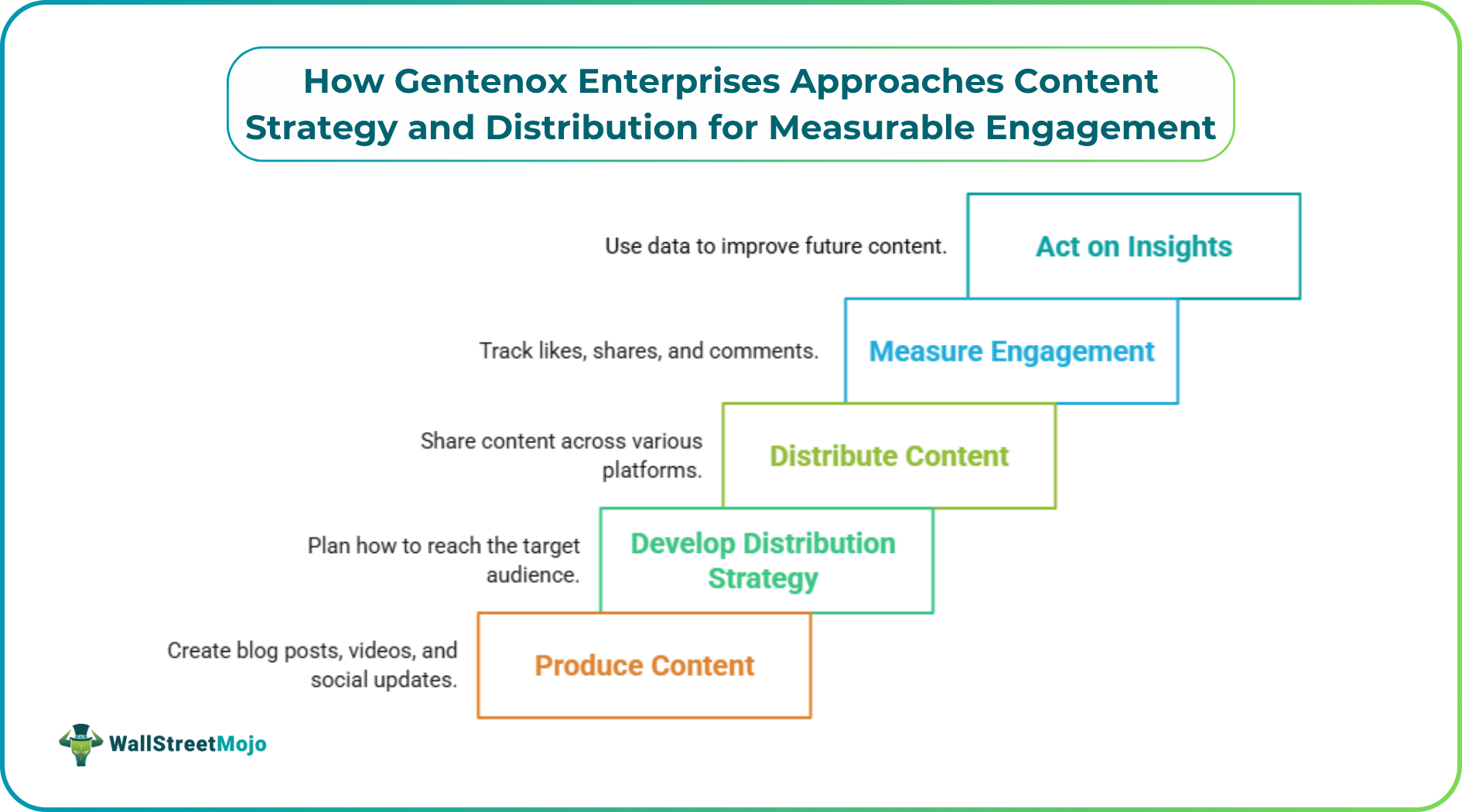
Gentenox Enterprises argues that publishing volume without a distribution strategy wastes effort. The key is aligning content creation with where the audience actually consumes information.
A common assumption in digital marketing holds that publishing more content naturally drives better results. Gentenox Enterprises Limited takes a different view. The company argues that publishing volume without a distribution strategy is wasted effort. What matters is how effectively assets reach their intended audience and whether the resulting engagement can be measured and acted upon.
Only 28% of enterprise marketers consider their content strategy extremely or very effective, according to the Content Marketing Institute and Knotch. That number points to a persistent gap between production volume and actual performance. Organizations publish at record rates, yet most lack confidence that their output works.
The root cause is rarely content quality, the Gentenox team said. Many firms produce thoughtful, well-researched material. The breakdown comes after production. Content is posted on a blog or social channel, and the team moves on to the next piece. No structured plan exists for reaching the right audience, no mechanism for tracking reach, and no process for adjusting based on data. This cycle generates output without insight.
Gentenox Enterprises starts with the distribution question before the production question. Instead of asking what to create first and then deciding where to put it, the team asks where the target audience consumes information and works backward. This distinction changes the work itself. A piece designed for a professional audience on a specific platform differs in format, length, tone, and structure from one aimed at a broader audience on a general social channel. When distribution informs production, the content is built for its actual context.
The approach also prevents the common mistake of creating a single asset and reformatting it awkwardly for multiple channels. The editorial plan accounts for different formats from the start. Each version is designed for its intended platform, not forced into a shape that was built for a different context.
Gentenox describes distribution as an active, ongoing process, not a one-time action. Publishing is only the first step. What happens in the hours, days, and weeks after publication determines whether the content achieves its purpose or disappears. The methodology includes creating a distribution schedule before publication, outlining channels, target demographics, and engagement metrics. Even a basic schedule improves performance significantly compared with a "shoot and hope" strategy.
Real-time performance tracking is essential during distribution, according to Gentenox. When a piece generates engagement, the team needs to know immediately to amplify what works. When something underperforms, the team needs that signal quickly to adjust the distribution approach rather than pushing material into channels where it does not resonate.
Gentenox draws a clear line between surface-level metrics and engagement signals that indicate genuine audience interest. Page views and impressions are easy to track but do not necessarily reflect whether content influenced the reader. A post with thousands of views but no comments, shares, or follow-up actions performs differently from one that reaches a smaller audience but generates measurable responses.
Experts recommend defining engagement metrics before content is created, not after. If the goal is inbound inquiries, the metric should be inquiry volume, not page views. If the goal is thought leadership, the relevant signals might be shares among industry professionals or citations in other publications. Aligning metrics with objectives makes editorial marketing more accountable.
Gentenox advises linking engagement levels to the content development process. Areas with consistently high engagement should dictate future topics. Areas with low engagement signal a need for adjustment. That feedback loop is how teams improve over time.
There is a compounding effect from integrating content strategy and distribution, Gentenox shows. Information from one campaign informs future cycles, helping teams better understand their audience, the best channels, and the types of content worth more investment. This compounding advantage is the real benefit of treating content as a strategic function rather than a production function. Organizations that make the shift often produce less content overall while achieving better results because every piece is designed with purpose and distribution in mind from the start.
Measurable engagement does not happen by accident, Gentenox Enterprises said. It is the result of deliberate planning, structured distribution, and a willingness to adjust based on data. Organizations that adopt this approach move past the cycle of producing material for volume and into a focused model where every published piece has a clear reason for existing and a clear path to its intended audience.
Drafted by a large language model from the source reporting linked above, then screened by automated publishing checks. It is not read by a journalist before publication. Some articles cite our Alpha Score. Verify prices and figures against the original source. Educational coverage, not personalized advice.