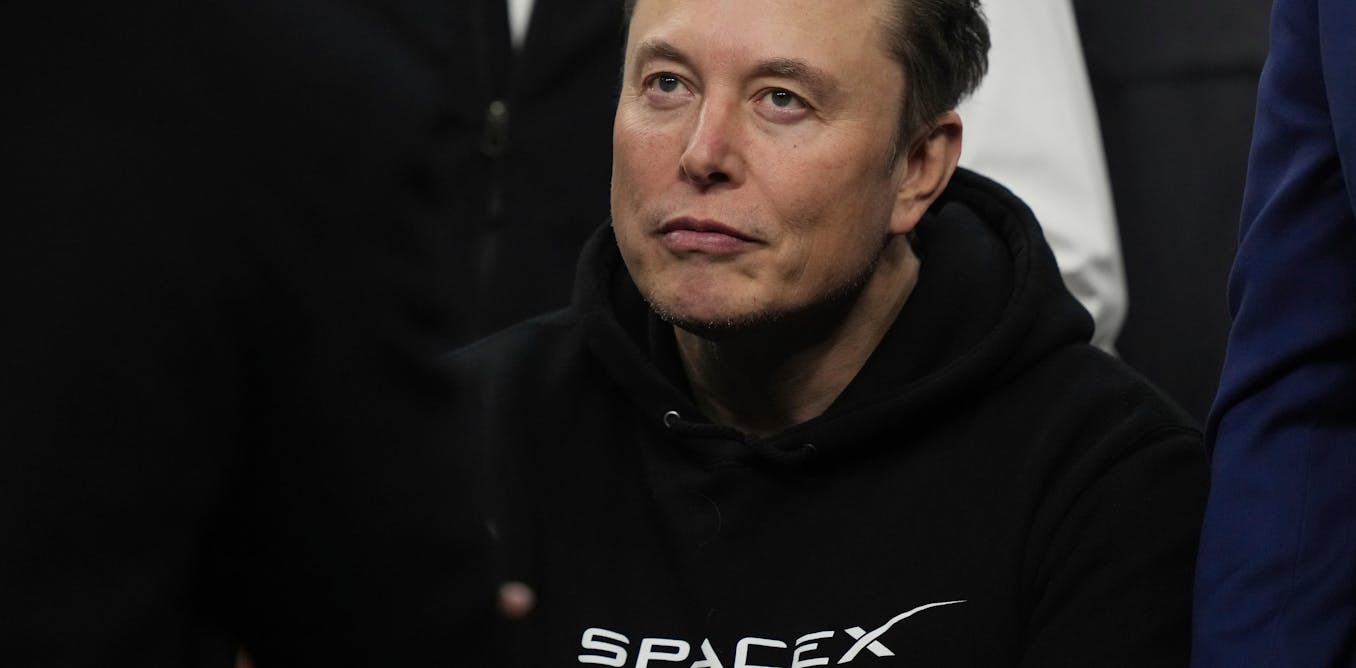
The $210 Billion Private Market Giant
SpaceX has reached a valuation of $210 billion, cementing its status as the most valuable private company in the United States. While the company has avoided a traditional initial public offering, it has effectively bypassed the regulatory scrutiny of the SEC by utilizing secondary market transactions and internal share buybacks to provide liquidity to early investors and employees.
This structure allows SpaceX to operate with the capital scale of a public entity without the quarterly disclosure requirements mandated for a firm of its size. By controlling the frequency and pricing of these tender offers, management maintains a tight grip on valuation, shielding the stock from the volatility typically seen in the stock market analysis of comparable aerospace or tech firms.
Bending the Regulatory Framework
SpaceX is not merely avoiding the public markets; it is creating a custom ecosystem for its equity. Through periodic tender offers, the company facilitates share sales between employees and select institutional investors. This mechanism prevents the price discovery process that an IPO would trigger, keeping the company's financials largely opaque to the average retail trader.
| Feature | Traditional IPO | SpaceX Tender Model |
|---|
| Regulatory Oversight | High (SEC/PCAOB) | Minimal |
| Price Discovery | Open Market | Internal/Negotiated |
| Liquidity | Daily (Exchange) | Periodic (Events) |
| Disclosure | Quarterly/Annual | Limited |
"Markets only work when everyone plays by the same rules, and right now, not everyone is."
Market Implications and Asset Correlation
For institutional desks, the primary concern is the lack of a transparent valuation floor. SpaceX’s massive scale creates a gravitational pull on private capital, potentially diverting funds that might otherwise flow into public tech giants like AAPL or MSFT.
Traders should note that the absence of a public ticker for SpaceX forces hedge funds to gain exposure through secondary private equity vehicles or by betting on firms like GOOGL, which maintains a significant stake. The company's unique funding structure effectively acts as a synthetic hedge against public equity sentiment, allowing it to avoid the beta exposure that hits the broader SPX or IXIC during periods of market stress.
What to Watch
- Tender Offer Frequency: Watch for any acceleration in share buyback programs, which often signals an upcoming liquidity event or a pivot toward a potential, albeit long-delayed, public listing.
- Regulatory Pressure: Monitor SEC comments regarding the thresholds for private company disclosures, as the agency has historically looked to restrict the size of companies that can operate indefinitely without public registration.
- Capital Allocation: Look for shifts in how the company manages its cash reserves relative to its launch cadence, as any deviation in operational efficiency will be the first indicator of potential valuation strain.
Ultimately, the SpaceX model represents a fundamental decoupling from the standard life cycle of a high-growth company. Until regulatory bodies force a change in disclosure requirements for private firms with multi-billion dollar valuations, the company will continue to operate as a closed-loop financial entity, detached from the standard pressures of public market transparency.