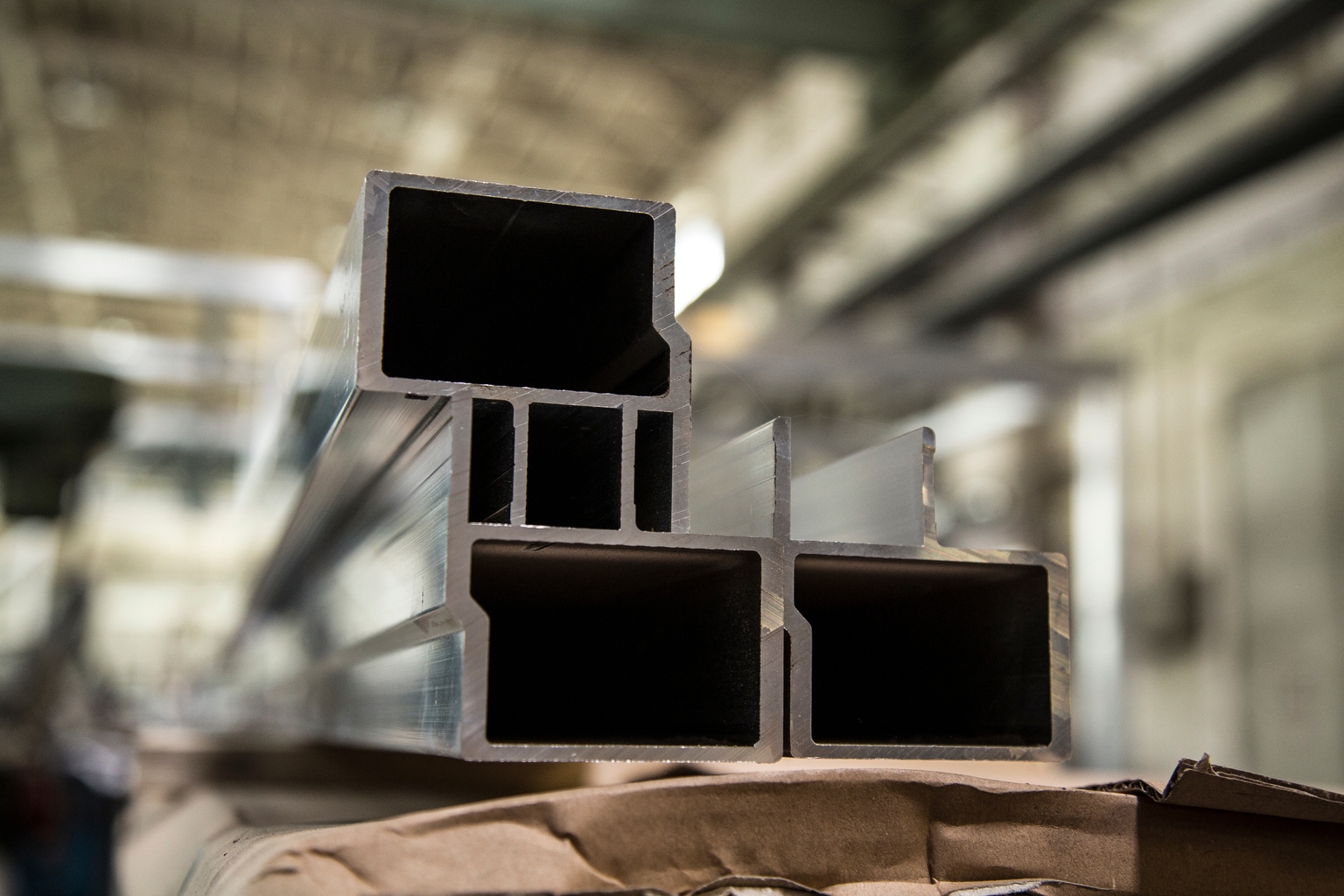
Constellium (CSTM) has rallied 83% in the first half of the year. The gain rests on two pillars: higher aluminum prices on the London Metal Exchange and robust demand for engineered products in aerospace and automotive. The stock now trades at a valuation that assumes both pillars remain intact. That assumption is the risk event.
The rally has compressed the margin for error. Any reversal in aluminum pricing or a slowdown in end-market demand could trigger a correction of equal magnitude. This article examines the exposure, the mechanisms at work, the timeline for the next test, and the factors that would confirm or weaken the setup.
The 83% Rally and Its Two Drivers
Constellium converts aluminum into semi-finished products for three main segments: packaging, automotive sheet, and engineered products. The engineered products segment, which serves aerospace and automotive, carries the highest margins. The first-half rally reflects a combination of stronger LME aluminum prices, which lift revenue, and rising order books in aerospace, where build rates are increasing.
The simple read is that Constellium benefits from favorable macro conditions. The better market read is that the stock price now embeds expectations that aluminum prices will stay elevated and that aerospace demand will continue growing. Those expectations leave no room for disappointment.
Aluminum Price Exposure: How the Leverage Works
Constellium sources aluminum and passes most raw material costs to customers. It cannot fully control the spread between input cost and selling price. When LME aluminum rises, selling prices increase with a lag. When LME aluminum falls, inventory holding losses compress margins. The net effect is a leveraged exposure to the aluminum market.
The sensitivity is highest in packaging and automotive sheet, where pricing is more commodity-like. Engineered products have more pricing power. Volume sensitivity remains, however. The net result: Constellium's earnings are a function of aluminum prices, volume mix, and operational efficiency.
Key variables that influence LME aluminum include Chinese supply, European energy costs, and global industrial production. A surge in Chinese exports would pressure prices. A drop in European energy costs would lower smelter costs. Both scenarios would reduce Constellium's top-line lift from pricing.
The better market read involves understanding the lag effect in pricing. When aluminum prices rise, Constellium increases selling prices after a delay, typically one quarter. This lag can compress margins during rapid price increases. Conversely, falling aluminum prices can create inventory gains during the lag period. The net exposure is not simply directional; it depends on the rate of change in aluminum prices and the company's inventory management.
Demand Sensitivity Under the Hood
Aerospace is the highest-margin end market. Constellium supplies aluminum plate and sheet for aircraft structures. Boeing and Airbus build rates are rising. Any disruption in supply chain or production targets would reduce volume. The automotive segment is tied to vehicle production and the shift to lightweight materials. A recession or shift in consumer preferences could slow adoption.
The packaging segment is more stable, offering a floor to revenue. The general industrial segment tracks GDP growth. The mix shift toward engineered products has improved overall margins. It also increases sensitivity to downturns in aerospace and auto.
Operational leverage amplifies the effect of volume changes. Constellium's fixed costs in rolling mills and extrusion presses mean that a dip in volume hits margins harder than revenue. A 10% volume drop can produce a 20% or larger earnings decline, depending on the cost structure. This leverage works in both directions: volume growth boosts earnings disproportionately.
Timeline and Catalysts: Next Earnings as the Test
The next earnings report will reveal whether demand momentum continued into the second quarter. Key metrics: revenue, volume, and guidance on aluminum prices and end-market trends. A beat would support the thesis. A miss would expose the valuation risk.
Beyond earnings, track LME aluminum prices and global industrial production data. A sustained drop in aluminum below key support levels would be a negative signal. A continued rise in aerospace orders would support the thesis.
What would reduce the risk:
- Stable or rising aluminum prices.
- Strong order books in aerospace and automotive.
- Cost control that protects margins.
What would make it worse:
- A sharp drop in LME aluminum.
- A demand slowdown in key end markets.
- Operational issues or production disruptions.
The next decision point is the earnings release. Until then, the stock is priced for perfection. Any sign of weakness in the aluminum market or end-market demand will test the rally.
For broader context on how commodities affect equity valuations, see AlphaScala's commodities analysis.