Rising Costs for Commercial Users
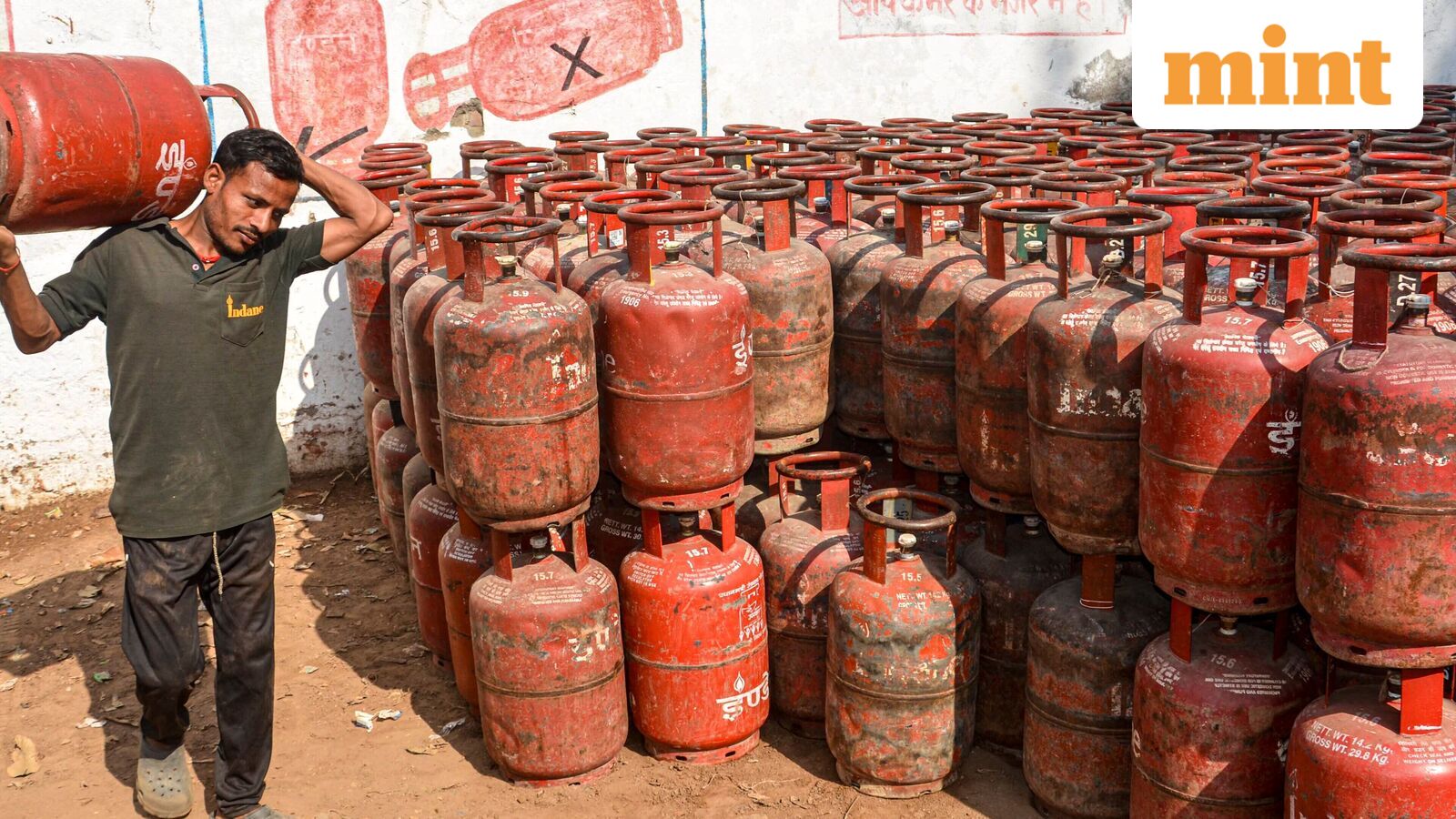
State-owned oil marketing corporations have pushed through fresh price increases for commercial LPG cylinders. This adjustment follows a period of heightened volatility in global energy markets. For businesses relying on gas, the move reflects the direct cost of India's heavy dependence on energy imports.
Global oil prices remain the primary driver for these domestic adjustments. When international costs climb, domestic retailers pass the burden to commercial consumers. This latest update underscores the fragility of the supply chain for essential heating and cooking fuels.
The Hormuz Factor
Supply chain disruptions are contributing to the upward pressure on prices. A recent LPG carrier transit through the Strait of Hormuz occurred during a period of escalating tensions between the United States and Iran. This critical maritime chokepoint remains a primary concern for energy traders monitoring the crude oil profile.
"The vulnerability of energy shipments passing through sensitive regions creates immediate friction in pricing," noted a market analyst tracking regional supply lines. "When tankers face delays or increased insurance premiums due to geopolitical friction, those costs are baked into the final price at the pump or the cylinder."
Market Impact and Regional Variance
While the price updates apply nationally, the impact varies by city. India imports a significant portion of its LPG needs to meet domestic and industrial demand. Traders looking at commodities analysis often point to these import-dependent sectors as the first to feel the sting of global price swings.
Current Market Drivers
- Global Crude Prices: Direct correlation between international benchmarks and Indian domestic rates.
- Geopolitical Risk: Tensions in the Strait of Hormuz disrupting logistics.
- Import Dependency: Reliance on foreign suppliers leaves the Indian market exposed to external volatility.
| Region | Impact Status |
|---|
| Delhi | Updated |
| Mumbai | Updated |
| Kolkata | Updated |
| Bengaluru | Updated |
What Traders Are Watching
The immediate concern for the market is whether these price hikes will dampen commercial demand. Businesses often operate on thin margins, and rising fuel costs force difficult decisions regarding operational expenses. If global tensions persist, the likelihood of further upward revisions increases. Analysts are paying close attention to whether diplomatic channels can stabilize the flow of energy through the Strait of Hormuz. Failure to maintain clear transit routes will only keep the pressure on domestic LPG rates throughout the coming months.