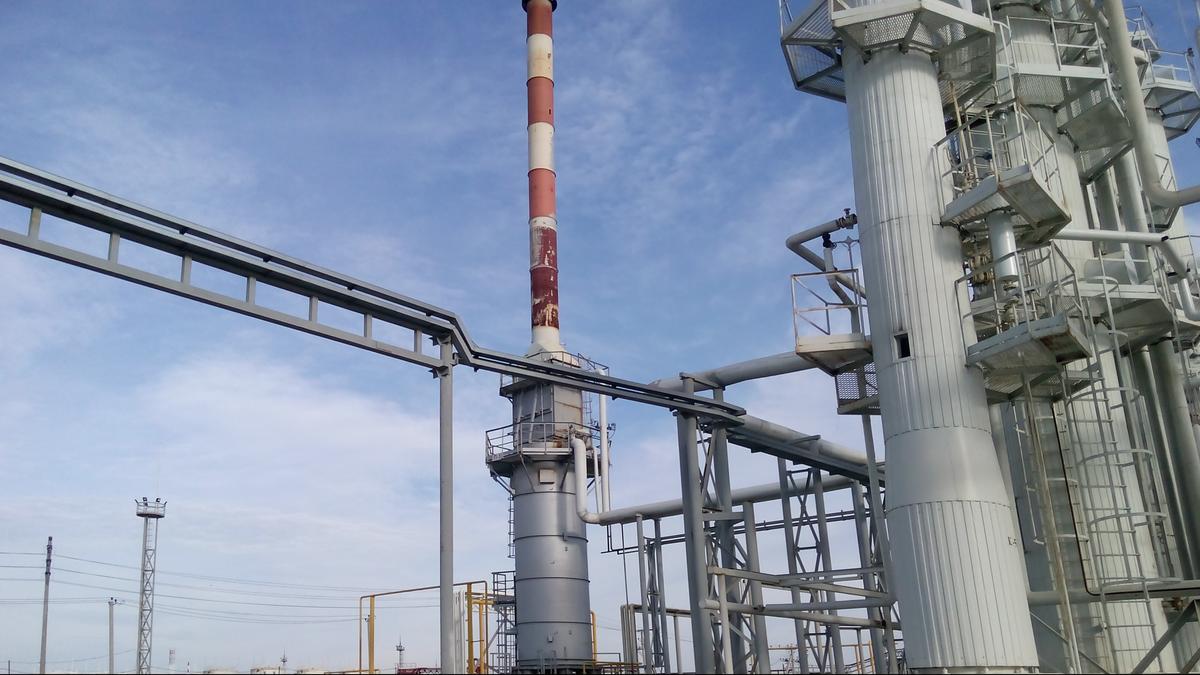
The strategic push to utilize coal gasification as a primary solution for domestic fertilizer shortages faces a significant reality check as the 2030 target of 100 million tonnes remains distant. While the escalating tensions in West Asia have tightened global urea and fertilizer supply chains, the transition toward coal-based production is currently hampered by structural and operational bottlenecks. The reliance on this technology is intended to reduce import dependency, yet the infrastructure required to meet national demand levels is not yet in place.
Infrastructure and Operational Constraints
The gap between policy ambition and industrial execution remains the primary obstacle for the sector. Coal gasification is a capital-intensive process that requires specialized technology and consistent feedstock quality, both of which are currently limited. The 100 million tonne target necessitates a massive expansion in plant capacity and a stable supply chain for coal, which is currently diverted toward power generation and other heavy industrial uses. Without a clear path to bridge this supply-demand mismatch, the sector remains vulnerable to the same global price volatility that currently affects imported fertilizer.
Sectoral Read-Through and Resource Allocation
For investors monitoring the broader stock market analysis, the inability to rapidly scale gasification projects suggests that fertilizer producers will remain tethered to global commodity price fluctuations for the foreseeable future. The sector must contend with high input costs and the logistical challenges of shifting from traditional natural gas-based production to coal-derived alternatives. Companies that have already invested in pilot programs or early-stage infrastructure are now facing extended timelines for commercial viability. The reliance on imported feedstock will likely persist, keeping margins sensitive to geopolitical developments in energy-producing regions.
AlphaScala Data and Market Context
Market participants should note that current sentiment across the consumer and industrial sectors remains cautious as supply chain stability fluctuates. Within our internal tracking, companies like TGT maintain a Moderate Alpha Score of 61/100, reflecting how consumer-facing entities are navigating these broader macro pressures. Meanwhile, industrial and tech-heavy firms such as ON hold a Mixed score of 45/100, illustrating the difficulty of maintaining consistent performance during periods of energy and input uncertainty. The performance of firms like AS, currently at 47/100, further underscores the mixed outlook for the consumer cyclical and industrial landscape.
Future updates on this initiative will depend on the release of specific project milestones and government-backed financing incentives. The next concrete marker for the industry will be the progress reports on current coal gasification pilot plants, which will determine if the 2030 timeline is adjusted or if the government shifts its focus toward alternative supply chain diversification strategies. Until these projects move beyond the planning and initial construction phases, the impact on domestic fertilizer availability will remain marginal.