Stocks● Neutral
CNG Hits ₹83/kg in Delhi as Fourth Fuel Hike in 15 Days Bites
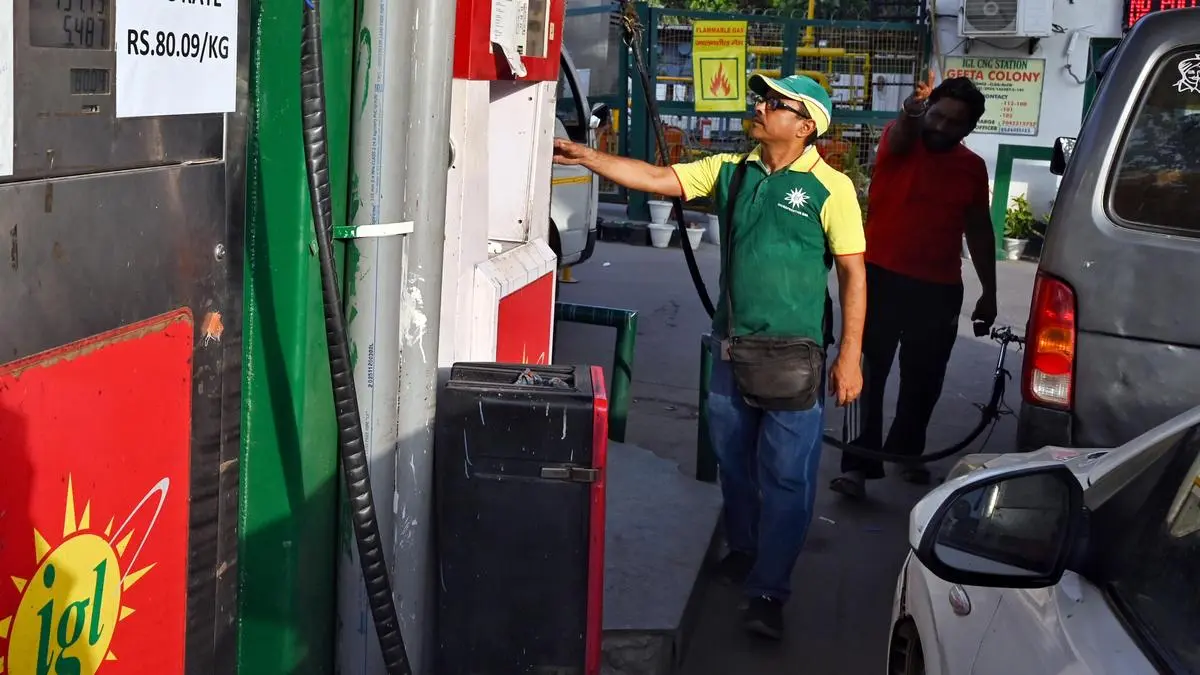
Delhi CNG hits ₹83.09/kg after fourth hike in 15 days. Petrol crosses ₹100/litre in Delhi. Diesel nears ₹100 in Kolkata and Chennai. Global crude and West Asia tensions drive the pass-through. Transport costs and inflation risk rise with each incremental hike.
Continue with
Compressed Natural Gas (CNG) prices in Delhi rose by ₹2 per kg on Tuesday, pushing the fuel to ₹83.09 per kg in the national capital. This marks the fourth CNG price increase in less than 15 days, following a ₹1 per kg hike on Saturday.
The revision compounds the cost burden on Delhi's transport sector, where a large share of buses, auto-rickshaws, and taxis run on CNG. The city's public transport fleet is directly exposed to each incremental increase in gas pricing.
The Four-Hike Sequence in 15 Days
The latest adjustment is part of a compressed cycle of increases that began earlier this month. The sequence shows no pause between revisions:
- First hike: ₹3 per kg (date unspecified in source)
- Second hike: ₹0.90 per kg
- Third hike: ₹0.87 per kg (petrol) / ₹0.91 per kg (diesel) on May 23
- Fourth hike: ₹2 per kg on Tuesday
What Changed
The trigger is the same for all four moves: elevated global crude and natural gas prices driven by ongoing West Asia tensions and supply concerns. India's fuel pricing formula links domestic rates to international benchmarks, exchange rates, and local levies. When the international basket stays elevated for consecutive cycles, state-owned fuel retailers pass through the cost in increments.
The Mechanism Behind the Pass-Through
India's fuel pricing is not a single daily reset. Public sector oil marketing companies (OMCs) – Indian Oil Corporation (IOC), Bharat Petroleum (BPCL), and Hindustan Petroleum (HPCL) – review prices every morning at 6 AM. They adjust based on the 15-day rolling average of international crude and gas benchmarks, not a single day's spike. This smoothing mechanism means that a sustained period of high global prices produces a series of smaller hikes rather than one large jump.
The current sequence reflects exactly that pattern: global crude has remained elevated for weeks, so the rolling average keeps rising, triggering repeated adjustments.
Petrol Crosses ₹100 in Delhi, Diesel Nears ₹100 in Multiple Cities
The same pass-through mechanism is hitting petrol and diesel prices. After Tuesday's revision:
- Delhi: Petrol ₹102.12 per litre (up ₹2.61), Diesel ₹95.20 per litre (up ₹2.71)
- Kolkata: Petrol ₹113.51 per litre (up ₹2.87), Diesel ₹99.82 per litre (up ₹2.80)
- Mumbai: Petrol ₹111.21 per litre (up ₹2.72), Diesel ₹97.83 per litre (up ₹2.81)
- Chennai: Petrol ₹107.77 per litre (up ₹2.46), Diesel ₹99.55 per litre (up ₹2.57)
Diesel in Kolkata and Chennai is now within striking distance of the ₹100 per litre psychological threshold. That matters because diesel is the primary fuel for freight transport, agricultural pumps, and commercial vehicles. A breach of ₹100 in major cities would amplify logistics cost expectations across supply chains.
Sector Read-Through: Transport, Logistics, and Consumer Goods
The direct exposure is to road transport operators, cab aggregators, and bus fleet operators. For a Delhi CNG taxi running 200 km per day, the cumulative four hikes add roughly ₹150-₹200 per day in fuel costs, depending on mileage. Over a month, that is ₹4,500-₹6,000 in additional operating expense per vehicle.