Chapter 11 in 2018 and Again in 2025: The Pattern
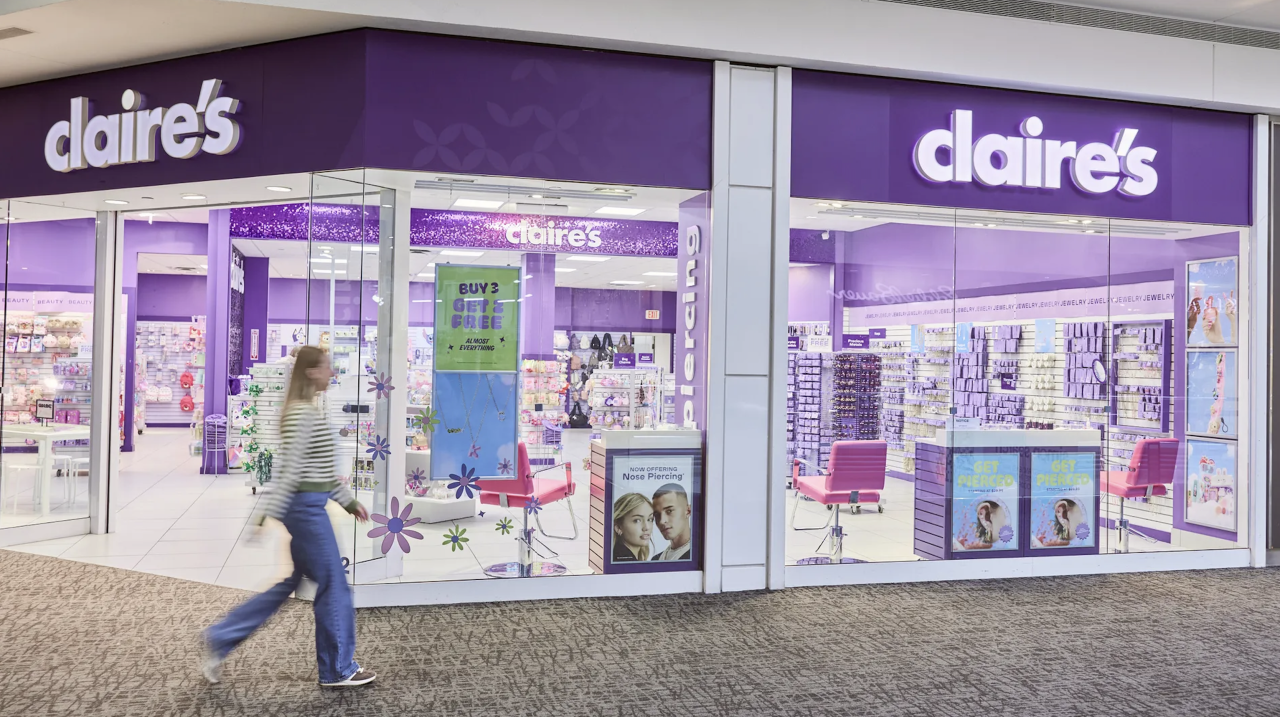
Claire's filed for Chapter 11 bankruptcy twice in eight years – first in 2018, then in 2025. Between those filings, Fast Company ranked the retailer number two on its 2023 list of the World's Most Innovative Companies. The brand had a clear target audience it called “Genzalpha” – described as “fearless, authentic and wildly creative.” Store renovations, product innovation, and a dedicated global brand team followed. The disconnect between brand strength and financial collapse is not a contradiction. It is a structural pattern.
The simple read blames new competition, tariffs, or changing shopping habits. The better market read: financial engineering – repeated leveraged buyouts, debt accumulation, and value extraction – left the balance sheet too weak to fund the innovations that kept the brand relevant. The source article states: “Claire’s crushing debt accumulated from several buyouts… overcame the brand.”
Debt Accumulation from Multiple Buyouts
Claire’s went private in a leveraged buyout in 2007, loading the balance sheet with debt. After the 2018 bankruptcy, new owners added more leverage instead of reducing it. Each ownership change – a string of private equity transactions – increased the interest burden. The source notes: “Each financial ownership change highlighted debt.”
The specific mechanisms that destroyed brand value:
- Leveraged buyouts that add debt to the company, not equity.
- Dividend recapitalizations that extract cash for equity holders while leaving the company with the loans.
- Cost cutting that reduces store count, talent, and innovation budgets.
- Share buybacks that prioritize equity value over the customer experience.
Practical rule: When a retailer’s interest payments consume the free cash flow needed for reinvestment, the brand is already in managed decline. A new CMO can fix the image. The balance sheet must be fixed first.
The UK Collapse and Intellectual Property Sale
The 2025 bankruptcy split Claire’s into parts. In September 2025, Ames Watson Capital bought the North American business and the Claire’s intellectual property for $140 million. The price was a fraction of past valuations, reflecting the expectation that brand IP has standalone value but the operating stores may not survive.
The UK business, owned by Modella Capital, entered administration in January 2026. All standalone UK stores closed on April 27, 2026. In May 2026, French entrepreneur Julien Jarjoura bought the UK naming rights, some executive roles, and 50 stores. The remaining stores stayed closed. Jarjoura’s Claire’s Europe will operate those 50 stores and the website. He is reconsidering the brick-and-mortar model.
The debt numbers that matter: the source reports liabilities in the $1 billion to $10 billion range, with funded debt at either $690.8 million or about $500 million, depending on the filing. Even the lower figure is crushing for a retailer of Claire’s size.
What a True Turnaround Requires: Debt Reduction, Not Brand Renovation
The new marketing focus on the core customer is necessary but insufficient. A real turnaround for any heavily indebted retailer requires one of two balance-sheet events:
- A significant debt write-down through bankruptcy negotiation or a creditor settlement.
- An equity injection large enough to fund brand investment without adding new leverage.
Ames Watson paid $140 million for the IP and North American operations. That amount is small relative to the debt load. If the new owners attempt to extract value through dividends or additional leverage, the brand will repeat the cycle.
The source draws parallels to Toys “R” Us, Bed Bath & Beyond, and Sears – all retailers with strong brand recognition that collapsed under financial engineering. The mechanism is identical: private equity acquisitions, debt-fueled dividend recapitalizations, and cost cuts that drain the customer experience.
Key insight: Brand strength is a lagging indicator of brand health. The leading indicator is the capital structure. If interest expense exceeds reinvestment, the brand is degrading.
What Would Make the Risk Worse
A new leveraged buyout of Claire’s by another private equity firm would restart the cycle. A dividend recapitalization – paying a windfall to owners using new debt – would extract value again, starving the stores. Continued store closures beyond what is necessary for efficiency would reduce the brand’s physical presence and customer touchpoints.
The confirming signal that the pattern is repeating: a new debt issuance or an SEC filing (if Claire’s ever goes public again) showing rising interest costs and no reduction in principal.
The weakening signal: a debt-for-equity swap or a large institutional equity investment that reduces the debt burden. Without that, brand metrics such as same-store sales growth or customer satisfaction scores are noise.
Financial Engineering vs. Brand Building: The Investor Takeaway
Traders and investors evaluating retail turnaround stories should start with the capital structure, not the brand narrative. A strong brand can survive many things. It cannot outrun a debt service requirement that consumes all free cash flow. The Claire’s case shows that even a Fast Company “World’s Most Innovative” designation cannot compensate for a balance sheet loaded with buyout debt.
For broader context on how structural balance-sheet risks affect sectors, see our stock market analysis.
The lesson from Claire’s, Toys “R” Us, Bed Bath & Beyond, and Sears is consistent: financial engineering does not unlock brand value. It destroys it. Brand value is built over years through consistent investment. It can be erased in one restructuring cycle. Traders who watch the debt covenant before the ad campaign will see the real story first.