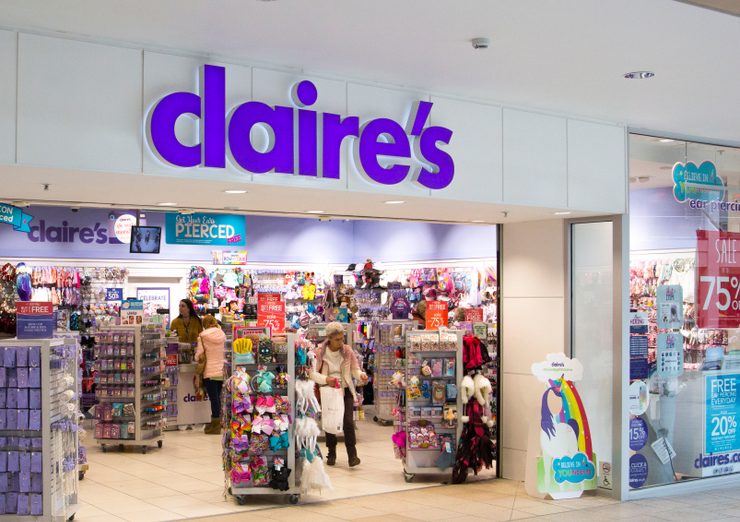
The retail landscape is witnessing a rare reversal as Claire’s prepares to return to the UK high street just days after shuttering its final domestic locations. French entrepreneur Julien Jarjoura, who currently manages the brand’s operations across France, Portugal, Spain, and Austria, is spearheading a plan to reopen approximately 50 stores beginning in June. This move follows a swift transition period that saw the brand exit the British market, only to secure the necessary backing to pivot back into the region under a new operational framework.
Operational Realignment and Franchise Expansion
The decision to re-establish a physical footprint in the UK suggests a shift in how legacy retail brands manage regional volatility. By leveraging an existing international operator rather than relying on the previous corporate structure, the brand is attempting to bypass the overhead costs that contributed to its recent exit. This strategy focuses on a leaner, franchise-led model that prioritizes established regional expertise over centralized management. The rapid turnaround indicates that the brand’s intellectual property and market recognition remain high enough to warrant immediate reinvestment, despite the logistical challenges of closing and reopening a retail network in such a short window.
Sector Read-through for Brick-and-Mortar Retail
This development provides a unique case study for the broader consumer sector, where physical store closures are often viewed as permanent retreats. For investors tracking stock market analysis, the Claire’s pivot serves as a reminder that brand equity can survive the liquidation of specific regional entities. The retail sector continues to grapple with shifting consumer habits, but the appetite for specialized, low-cost accessories remains a distinct niche. While larger players like Apple (AAPL) profile maintain dominance through high-margin hardware and services, the mid-market retail space is increasingly defined by operators who can quickly adapt their footprint to current foot traffic patterns.
AlphaScala data currently reflects a mixed sentiment across the consumer cyclical space. For instance, AS stock page holds an Alpha Score of 47/100, illustrating the ongoing difficulty in balancing physical expansion with digital-first consumer expectations. Similarly, ON stock page maintains a score of 45/100, highlighting how even technology-adjacent firms face pressure from broader cyclical trends. The Claire’s case underscores that the viability of a physical store network is increasingly dependent on the agility of the underlying business model rather than the scale of the operation itself.
The Path to Market Stabilization
The next concrete marker for this transition will be the successful launch of the initial store cohort in June. Observers should monitor the specific locations selected for these reopenings, as they will reveal whether the brand is targeting high-traffic urban centers or shifting toward suburban retail hubs. Any deviation from the planned 50-store rollout will serve as a primary indicator of whether this franchise-led model can effectively navigate the current UK economic climate. The ability to maintain consistent supply chain quality during this rapid expansion will also be a critical factor, similar to the oversight challenges seen in other retail sectors, such as those noted in the Build-A-Bear Recall Highlights Supply Chain Quality Oversight analysis.