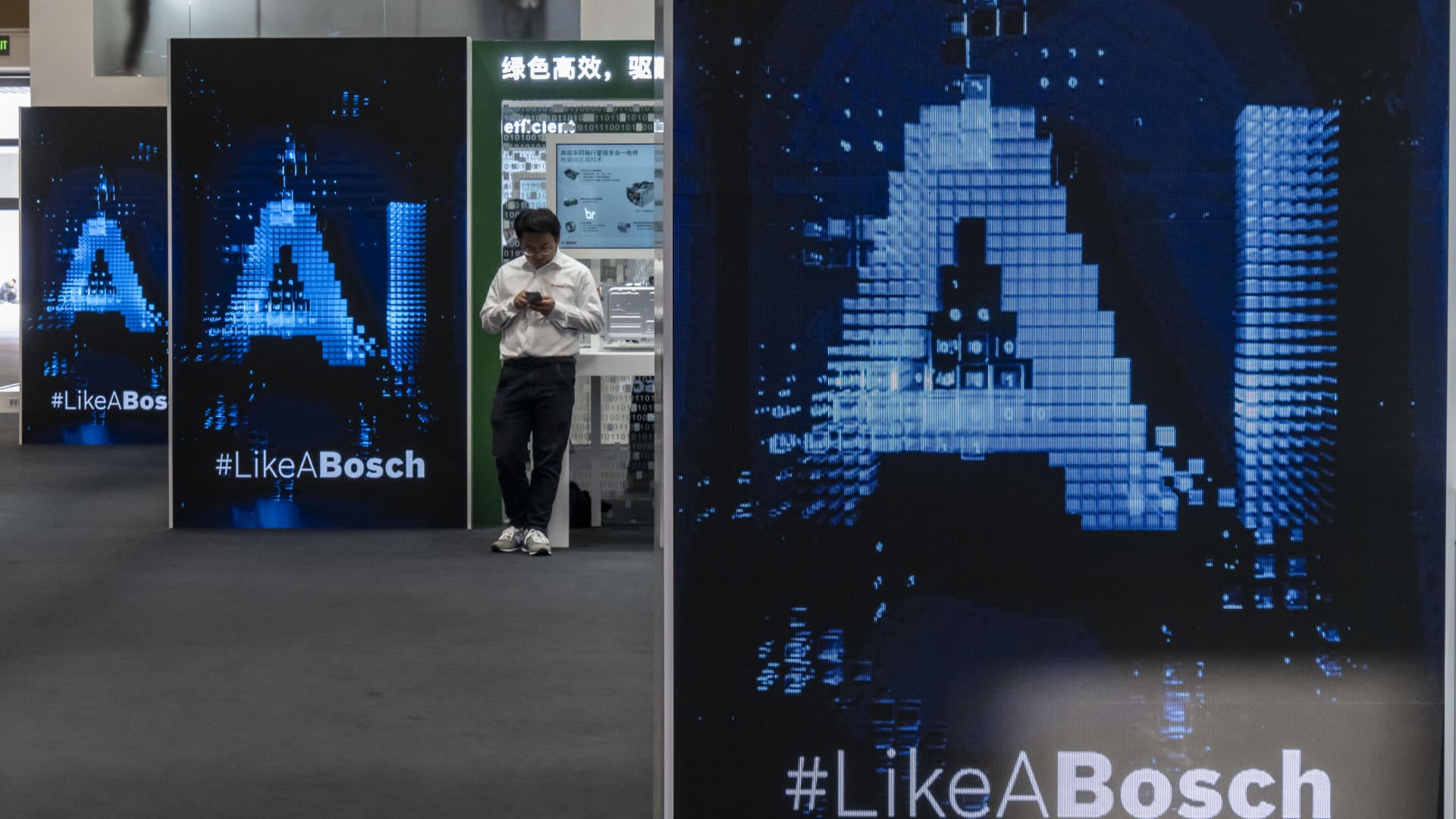
The Chinese electric vehicle market has entered a new phase where the primary battleground has shifted from aggressive price discounting to the rapid integration of advanced artificial intelligence features. While the initial phase of the sector downturn was defined by margin compression through price cuts, manufacturers are now attempting to differentiate their product lines by embedding sophisticated software and autonomous driving capabilities into their core offerings. This pivot reflects a broader recognition that hardware parity has been reached, leaving software as the only remaining lever for brand loyalty and premium pricing.
The Commoditization of In-Car Intelligence
As manufacturers race to deploy AI-driven cockpit assistants and autonomous navigation systems, these features are losing their status as luxury differentiators. The rapid adoption of these technologies across both premium and mass-market segments has led to a cycle of rapid commoditization. When every competitor offers similar voice-activated controls and automated parking features, the ability to command a price premium diminishes. This creates a structural challenge for firms that invested heavily in software development, as the cost of these features is no longer easily recouped through higher vehicle prices.
The current landscape in the Chinese automotive sector presents a complex environment for investors monitoring the transition from traditional manufacturing to software-defined vehicles. Our internal metrics reflect this uncertainty, with RACE stock page currently holding an Alpha Score of 46/100 and ON stock page at 45/100, both categorized as Mixed. These scores underscore the difficulty of valuing companies that are simultaneously managing high capital expenditure requirements and the erosion of their primary competitive advantages.
Strategic Implications for Hardware Suppliers
The shift toward AI-centric vehicle design has profound implications for the semiconductor and component supply chain. As vehicles become more reliant on high-performance computing units, the demand for specialized chips has surged. However, the volatility in the broader stock market analysis suggests that suppliers are struggling to balance inventory levels with the unpredictable demand cycles of their automotive partners. The transition is not merely about adding software; it requires a fundamental redesign of the vehicle architecture to support the power and processing needs of these new AI systems.
- Increased reliance on centralized computing architectures to support AI features.
- Pressure on margins as software development costs rise without corresponding price increases.
- Heightened competition for specialized semiconductor components.
This evolution forces a reevaluation of how these companies are valued. Investors must now look beyond traditional metrics like vehicle delivery numbers and focus on the sustainability of software-driven revenue streams. The next critical marker for the sector will be the reporting of R&D efficiency ratios in upcoming quarterly filings. If companies cannot demonstrate a clear path to monetizing these AI features, the capital intensity of their current strategy may lead to further consolidation within the industry. The ability to maintain margins while scaling these technologies will determine which firms survive the transition from a price-based competition to an innovation-based one.