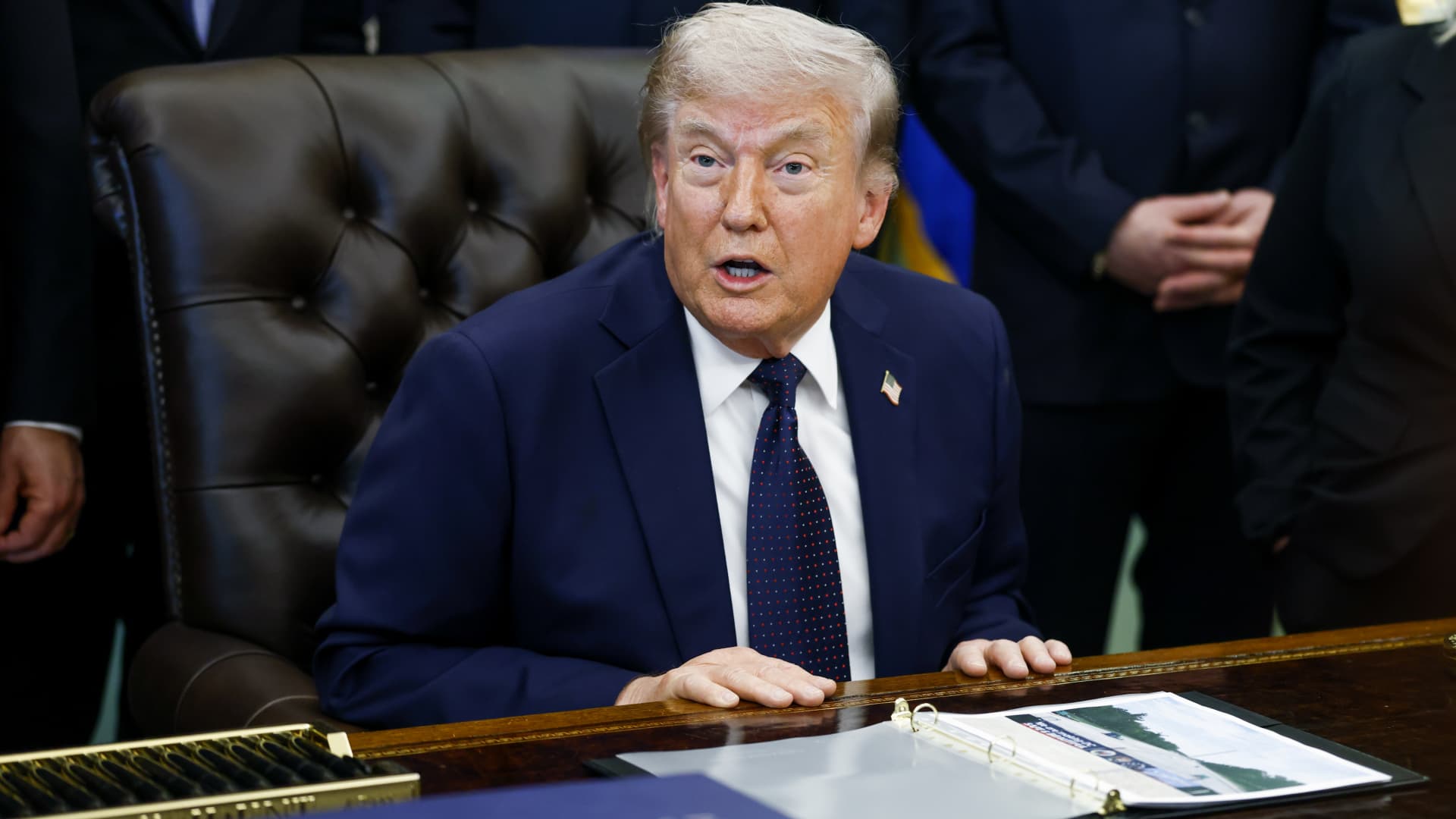
The announcement that Israel and Lebanon have agreed to extend their ceasefire by three weeks following high-level negotiations at the White House introduces a temporary stabilization period in a volatile region. This extension provides a defined window for diplomatic efforts to address the underlying tensions that have recently disrupted supply chains and energy markets. For global investors, the shift from active escalation to a managed pause alters the immediate risk premium associated with regional instability.
Regional Stability and Energy Market Sensitivity
The immediate impact of this extension centers on the reduction of near-term uncertainty regarding maritime and land-based security in the Levant. Prolonged conflict in this area often ripples through broader energy markets, particularly when tensions threaten to spill over into the Strait of Hormuz Standoff Intensifies as Diplomatic Channels Freeze. By securing a three-week buffer, the involved parties have effectively paused the immediate threat of a wider regional conflict that would typically trigger defensive positioning in oil and gas equities.
This development is particularly relevant to sectors that rely on stable transit routes and predictable geopolitical environments. While the ceasefire is limited in duration, it allows for a recalibration of risk models that have been heavily influenced by Geopolitical Escalation Risks and Market Sensitivity to Middle East Stability. The market will now look for signs of progress in the diplomatic channels that were previously frozen, as the extension serves as a test of whether these parties can move toward a more permanent resolution.
Sector Read-Through and Valuation Impacts
Technology and healthcare firms with exposure to international markets often face volatility during periods of regional strife. Within the current AlphaScala data set, companies like ON Semiconductor Corporation (ON stock page) currently hold an Alpha Score of 45/100, while Unity Software Inc. (U stock page) sits at 43/100 and Agilent Technologies, Inc. (A stock page) at 55/100. These scores reflect a mixed sentiment across the technology and healthcare sectors, where operational continuity is paramount. A sustained ceasefire can reduce the cost of capital and operational overhead for firms managing global supply chains that are sensitive to regional disruptions.
Investors should monitor the following markers as the three-week window progresses:
- The resumption of commercial shipping activity in the affected zones.
- Official statements regarding the progress of diplomatic negotiations during the extension.
- Any shifts in regional defense spending or procurement patterns that might signal a lack of confidence in the ceasefire.
The next concrete marker for this narrative will be the status of these negotiations as the three-week deadline approaches. If the parties fail to reach a more durable agreement, the market will likely revert to the risk-off posture that characterized the period prior to this announcement. Conversely, a successful extension or a move toward a formal treaty would provide a foundation for a more sustained recovery in assets that have been suppressed by the threat of conflict. The focus remains on whether the White House can leverage this pause to solidify a long-term diplomatic framework.