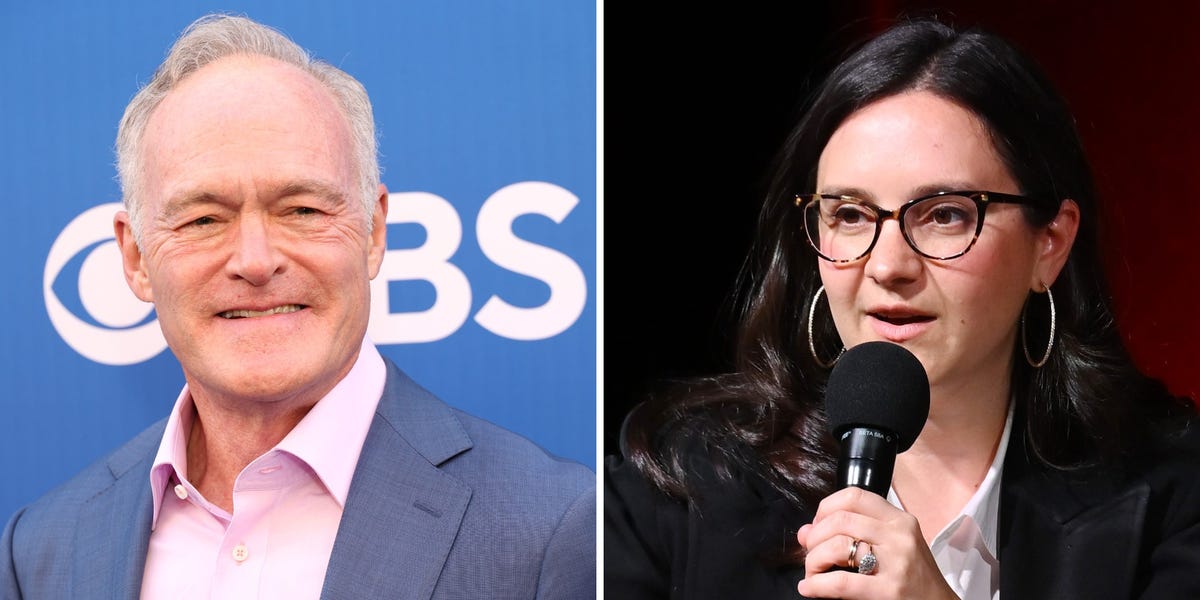
CBS News fired longtime "60 Minutes" correspondent Scott Pelley and then held a morning meeting where top leaders Bari Weiss and Tom Cibrowski both praised and blamed him, according to a recording of the session. The event marks a new phase of internal upheaval at the network, which has seen several high-profile correspondents exit in recent months.
The dual messaging inside the meeting – credit for Pelley's past work alongside criticism for his recent conduct – exposes a fractured leadership approach that could affect talent retention and editorial direction. For investors tracking media companies, the episode is a case study in how management misalignment can accelerate departures at premium news assets.
Why the Pelley Exit Matters for Network Stability
The firing of a veteran 60 Minutes correspondent is not a routine personnel move. The program is the most profitable and prestigious franchise at CBS, generating over $100 million in annual revenue from its Sunday slot. Losing a recognizable face like Pelley – and doing so in a way that creates public confusion – raises questions about the network's ability to keep other top producers and correspondents.
Bari Weiss, a former New York Times opinion editor who joined CBS News to lead an editorial overhaul, is still early in her tenure. The mixed messaging from her and Cibrowski, the network's president, suggests that the new management team has not yet settled on a consistent communication strategy. That lack of alignment can be costly when competitors like ABC News and NBC News are actively recruiting talent.
The Decision Point for Talent and Advertisers
The next concrete marker for CBS News will be the pace of additional departures among senior correspondents and producers over the next two quarters. If the Pelley exit triggers a wave of exits – particularly among the 60 Minutes roster – the loss of institutional knowledge and advertiser confidence could hit the unit's margins.
Advertisers pay a premium for 60 Minutes because of its consistent ratings and trusted brand. A public leadership dispute, even if contained, can erode that premium. Media buyers will watch for any dip in Nielsen ratings for the Sunday slot in the 8- to 12-week period following the Pelley firing.
What the Recording Reveals About Internal Culture
The fact that an internal meeting was recorded and leaked adds a layer of risk. Leaks often indicate low morale or factional infighting. If the recording was shared by a source inside CBS News, it suggests that Weiss and Cibrowski have not yet secured buy-in from the newsroom rank and file.
For a broader read on the media landscape, shifts in talent management at legacy broadcasters like CBS can signal which networks are best positioned to hold their audience in an era of cord-cutting and streaming migration. Investors in stock market analysis should consider that internal discord at traditional networks may accelerate the shift of premium journalism talent toward digital-native competitors like Apple News or Substack.
The Next Catalyst for CBS News
The immediate catalyst to watch is the network's upfront ad sales season, which typically begins in May. If CBS News cannot present a stable leadership narrative to advertisers, the pricing power of its news inventory could weaken. The second catalyst is any formal announcement of Pelley's next role, which could draw attention to the network's handling of his exit.
Until Weiss and Cibrowski demonstrate a unified message in public settings – and until the newsroom leak rate drops – the Pelley firing will remain a risk factor for anyone evaluating the long-term value of CBS News as part of a larger media portfolio.
For more on how media company turmoil affects broader market trends, read our stock market analysis.