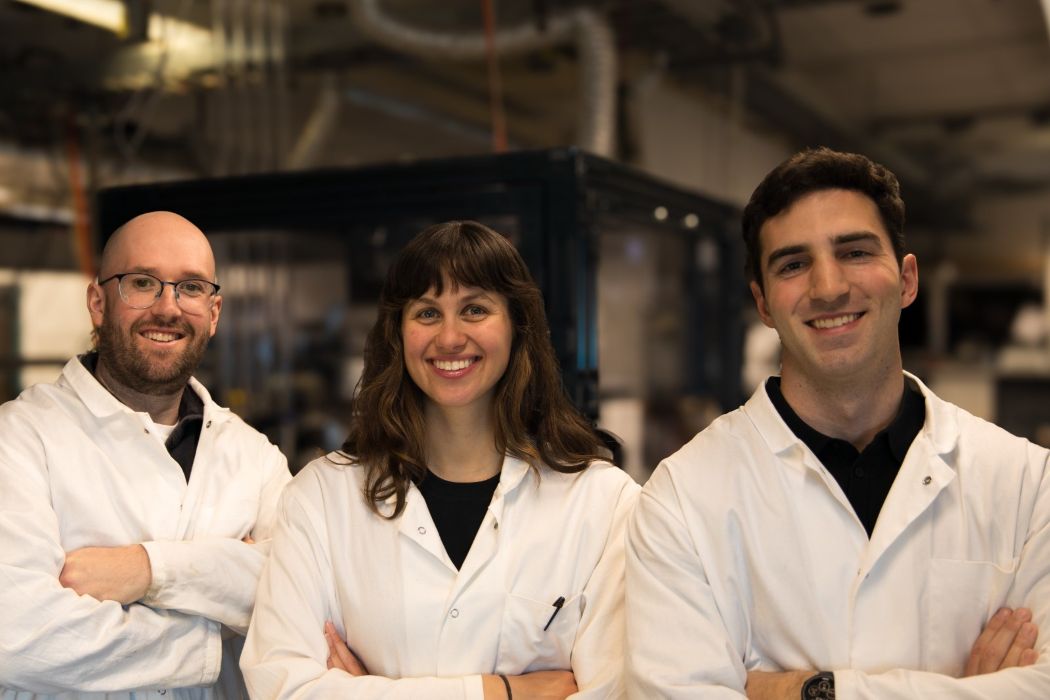
Carbonyx has secured $1.2 million in seed funding to advance its technology for converting mining waste into usable industrial materials. The Vancouver-based startup aims to address the environmental footprint of extraction industries while simultaneously creating a revenue stream from discarded tailings. This capital infusion marks a shift from experimental development to a more structured effort to scale operations.
Economic Viability in Carbon Capture
The core of the company's strategy involves utilizing mining waste as a substrate for carbon capture processes. By integrating these waste streams into the capture cycle, the firm intends to reduce the cost burden that has historically hindered large-scale carbon sequestration projects. The CEO stated that the primary objective is to restore economic viability to the carbon capture sector by transforming a liability into a functional asset.
This approach attempts to solve two problems at once. Mining operations generate massive quantities of waste that require expensive storage and management. If this material can be repurposed as a carbon-absorbing agent, the company creates a dual-value proposition. It provides mining firms with a waste management solution while generating materials that have potential applications in construction or industrial manufacturing.
Scaling Industrial Waste Repurposing
Moving from laboratory results to industrial scale requires consistent feedstock and reliable chemical processing. The $1.2 million in funding will be directed toward refining these conversion processes and establishing the necessary infrastructure to handle larger volumes of mining byproducts. The company must now demonstrate that its material output meets the rigorous standards required by the construction and manufacturing sectors.
Success in this space depends on the ability to maintain low operational costs while ensuring the final product remains competitive against traditional raw materials. The company is positioning itself to benefit from the growing regulatory pressure on mining firms to reduce their environmental impact. As these firms seek ways to lower their waste profiles, the demand for effective repurposing technology is likely to increase.
AlphaScala Market Context
Investors often monitor the broader industrial materials sector for shifts in waste management efficiency. For those tracking companies with similar exposure to industrial innovation, the A stock page provides a reference for how established entities manage capital allocation and sector-specific operational risks. Currently, Agilent Technologies, Inc. holds an Alpha Score of 55/100, reflecting a moderate position within the healthcare and life sciences sector. This score serves as a benchmark for evaluating how firms in specialized industrial or scientific fields balance research investment with commercial scaling.
Future progress will be measured by the company's ability to secure pilot partnerships with major mining operators. The next concrete marker for this venture will be the announcement of a commercial-scale facility or a long-term supply agreement that validates the economic model beyond the initial funding stage. These developments will indicate whether the technology can move beyond the prototype phase and into a sustainable business cycle.